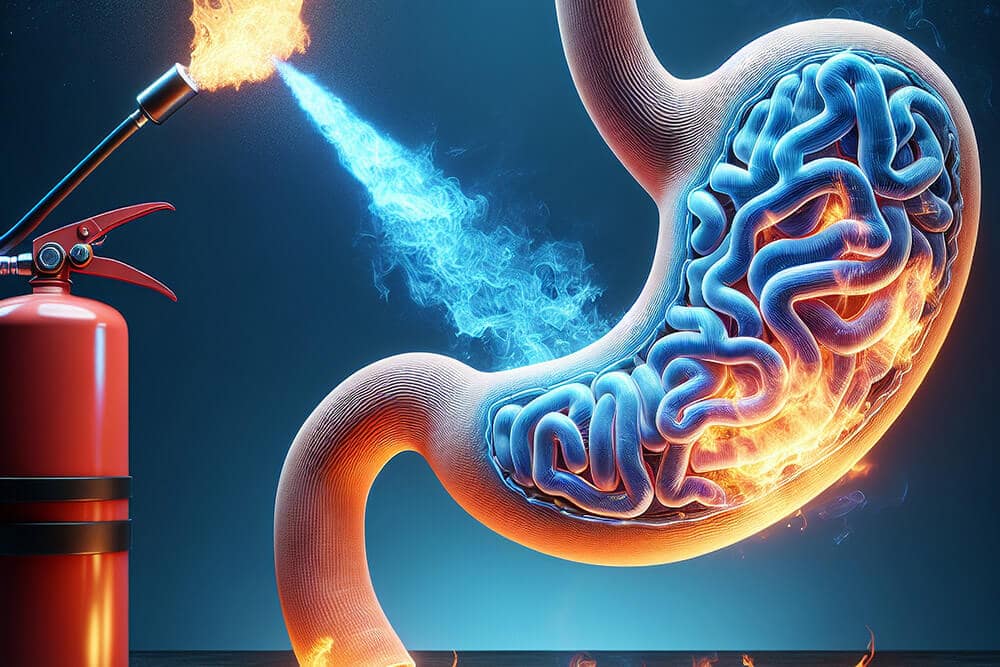








Gastroparesis is a disorder which decelerates the passage of food along the stomach, which causes such symptoms as bloating, nausea, vomiting, early fullness, and stomach pain. It might be too much to handle but the reality is that it does not have to be a big deal and its all in daily routines that are easy to implement and follow through.
Gastroparesis can not be cured but it can certainly be made better. This article takes you through little, simple changes that you can make in your routine that helps to relieve the symptoms, aid in better digestion, and live a better life.
Eating smaller portions more frequently is one of the best methods of dealing with the symptoms of gastroparesis. A full stomach strains the already weaker digestive muscles and the emptying is even slower.
These rudimentary changes provide your stomach with an increased probability of processing food.
The nature of the food that you take is important when your stomach takes long to empty. Pay attention to low fiber and low fat soft-textured foods that pass through the stomach with ease.
Supply should be avoided of raw vegetables, high fat meals, fried foods and fibrous fruits such as oranges or pineapples which aggravate symptoms.
The stomach empties with the contribution of gravity. When people lie down after meals they may end up slowing down the digestion process and even experience acid reflux.
Chewing involves the breakdown of food into small bits, which will be easily dealt with by your slow stomach. Consumption of food at a great speed or failure to chew increases the chances of bloating, nausea and vomiting.
Slow eating also allows your brain to note that it is full, and thus prevents over-eating.
Water helps in digestion and water chugging during meals may worsen symptoms. Rather, take fluids in bits all through the day.
The triggers can be identified by keeping a diary of what you are eating and how you feel after you do it. Every individual with gastroparesis is unique in response to some foods hence a written log will guide you on personalizing your diet.
In the long run, you will find trends that can help you in choosing the food and planning on how to eat.
Stress would contract your stomach muscles and further worsen your digestion. Stress management does not only help ensure that you are mentally fit, but also that you have a better digestive system.
Exercise will help in digestion in the stomach and food will not be stagnant in the stomach. Fitness does not require strenuous exercises no more than soft movement.
Some of them need to take a drug that would help empty the stomach or relieve nausea. They may be prokinetics (e.g. metoclopramide), antiemetics (e.g. ondansetron) or acid reducer.
As a patient of gastroparesis, one can feel lonely. But you need not make your way through it. Emotional and practical support will also make you healthier.
This will be good days and bad days. You should be taught to trust your body and be attentive to it. If you're tired a rest. Eating slowly may be hard; this is why it is two-fold. Healing is a process that takes place in minute day-to-day steps.
The condition of gastroparesis is a hard but not an impossible condition to live with. By introducing supportive habits into your daily life, it will be possible to regain the sense of control and even have fun in your day to day life.
Start small. Choose one or two habits that you would like to initiate this week. Little by little add to it, till it becomes a natural thing. These slight modifications of the long term will lead to the digestion, energy and the quality of life.
Dr. Bharat Pothuri is a Board-Certified Gastroenterologist and Hepatologist. With extensive experience in digestive health, he specializes in advanced endoscopic procedures, chronic GI disorder management, and preventive care. Dr. Pothuri is dedicated to providing expert, patient-focused insights to help improve gut health and overall well-being.
Gastroparesis is a disease where the stomach will be too long to empty. Not once and not twice it is not an actual obstruction but a nerve or a muscle problem.
Yes. The elders can cope with the signs by taking small meals per day, which would enable your stomach to absorb fewer foods simultaneously.
Low-fat and low-fiber food with soft food like cooked vegetable, low-fat protein can be significantly easier to digest. Do not consume raw vegetables, fatty meat and soft drinks.
Not completely but you should limit insoluble fibre (e.g. skins and seeds). Smaller the amounts of the soluble fibers that consist of applesauce or oatmeal are generally more tolerable.
Absolutely. The water use during day helps in the digestion and preventing dehydration in case of vomiting or diarrhema.
Yes. Moving about like walking after meals, light physical exercise will assist in emptying your stomach. Should not lie after meals.
Yes. The emptying of the stomach with the help of prokinetic drugs can be accelerated by the drugs. Anti-nausea medications may also be given. Never ignore the recommendation of the doctor.
The symptoms can also be aggravated by stress which disrupts your digestive rate. Deep breathing, yoga or meditation may be of help in relaxation.
Yes. Pattern and trigger foods may be identified by the process of keeping a diary of the food you eat and the way you feel. You will find it easier to live with your condition in your daily living.
Get in touch with your health provider at the earliest time possible when the symptoms become worse, you lose weight rapidly, or you cannot swallow foods and beverages.