What is SIBO?
Small Intestinal Bacterial Overgrowth (SIBO) occurs when an abnormal increase of bacteria in the small intestine leads to digestive discomfort. Unlike the large intestine, the small intestine is not designed to house a high concentration of bacteria. This imbalance can lead to symptoms such as bloating, diarrhea, constipation, and nutrient malabsorption.
In the context of SIBO, this overgrowth of bacteria may hinder the natural digestive processes, resulting in improper digestion of food. But what many people don't realize is that this imbalance can also affect mental health through the gut-brain axis.
The Gut-Brain Axis: What is it?
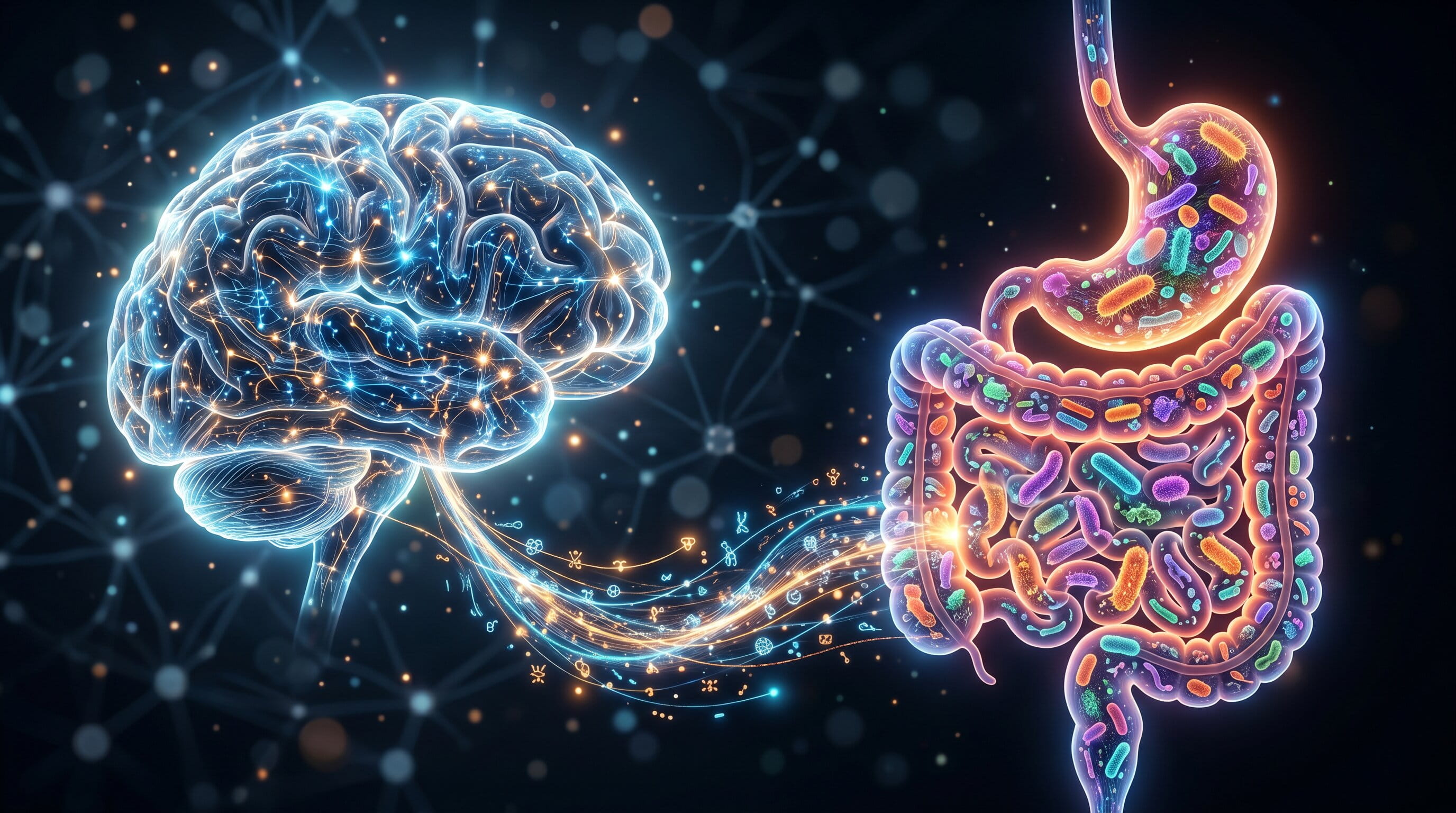
The gut-brain axis (GBA) refers to the bidirectional communication system between the gut and the brain. This system is essential for regulating emotions, cognition, and mental health, linking the central nervous system (CNS) with the enteric nervous system (ENS). The gut is often referred to as the "second brain" due to the vast number of neurons lining the gastrointestinal tract.
How the gut and brain communicate
The gut and brain communicate through several mechanisms, including:
- Vagus nerve stimulation
- Neurotransmitter production (e.g., serotonin)
- Immune system signaling
- Microbiome modulation
What happens when the gut-brain axis is disrupted?
When this connection is disrupted, it can lead to a range of mental health symptoms, such as:
- Anxiety
- Depression
- Brain fog
- Mood swings
- Fatigue
How SIBO Disrupts the Gut-Brain Connection
Imbalanced Microbiome
The bacteria in the small intestine play a vital role in digestion, but they also influence the production of neurotransmitters, such as serotonin, which is crucial for regulating mood. When SIBO occurs, an overgrowth of bacteria can alter the balance of the microbiome, reducing serotonin production and leading to anxiety and depression.
Inflammation and Immune Activation
When bacteria in the small intestine overgrow, they often trigger an inflammatory response. Chronic inflammation can affect the brain and contribute to mental health problems. Research suggests that inflammation in the gut can lead to the release of cytokines, which can cross the blood-brain barrier and influence brain activity.
Nutrient Malabsorption
The overgrowth of bacteria in the small intestine can impair the absorption of essential nutrients, including B vitamins, magnesium, and zinc. These nutrients are essential for brain function, and their deficiency can lead to mental health issues, including anxiety, depression, and cognitive decline.
Gut Motility and Stress
SIBO can lead to poor gut motility, which means the digestive system does not function properly. This can cause bloating and discomfort, which increases stress and affects mood. The stress from digestive discomfort can trigger or exacerbate mental health conditions, forming a vicious cycle.
Increased Permeability (Leaky Gut)
SIBO often leads to intestinal permeability (commonly referred to as "leaky gut"). When the lining of the small intestine becomes damaged, toxins and bacteria can leak into the bloodstream, triggering inflammation and potentially affecting the brain, leading to mental health disturbances.
Symptoms of SIBO Affecting Mental Health
People with SIBO often experience a combination of physical and mental symptoms. Understanding the connection between gut and brain dysfunction can help identify when SIBO is playing a role in mental health.
Common Symptoms of SIBO and Its Impact on Mental Health:
- Chronic Fatigue: Feeling constantly tired or drained, even after a full night's sleep.
- Brain Fog: Difficulty concentrating, remembering things, and mental fatigue.
- Mood Swings: Unexplained feelings of sadness, irritability, or hopelessness.
- Anxiety: Constant worry or nervousness, often without a clear trigger.
- Depression: Persistent low mood, loss of interest in activities.
- Insomnia: Difficulty falling or staying asleep due to discomfort or stress.
How to Manage SIBO and Improve Mental Health
If you suspect that SIBO is affecting your gut-brain connection and contributing to mental health symptoms, here are several steps you can take to restore balance:
1. Treating SIBO with Antibiotics or Herbal Protocols
- Antibiotics, such as Rifaximin, are commonly prescribed to target the overgrowth of bacteria in the small intestine.
- Herbal treatments like oregano oil, berberine, and garlic extract are often used as natural alternatives.
2. Follow a SIBO-Specific Diet
- The Low FODMAP Diet is often recommended for SIBO management as it helps to reduce the fermentation of foods that contribute to gas and bloating.
- The Elemental Diet is another short-term solution that starves the overgrown bacteria, allowing the gut to heal.
3. Use Probiotics Carefully
Probiotics may help replenish good bacteria in the gut, but they should be used cautiously in individuals with SIBO. Some types of probiotics may exacerbate symptoms. Always consult a healthcare provider before introducing probiotics into your regimen.
4. Restore Gut Health and Reduce Inflammation
- L-glutamine, bone broth, and other gut-healing nutrients can help repair the intestinal lining and reduce inflammation.
- Anti-inflammatory foods, such as turmeric and ginger, may also help reduce systemic inflammation.

5. Manage Stress and Mental Health
- Since SIBO and mental health are closely linked, practicing stress management techniques like yoga, meditation, and deep breathing exercises can improve both gut health and mental well-being.
- Seek support from a therapist or counselor to address the psychological toll of SIBO.
Conclusion
SIBO is a condition that affects far more than just your gut—it can also significantly impact your mental well-being. By understanding how SIBO disrupts the gut-brain connection, you can take proactive steps toward managing the condition and improving both your digestive and mental health. Whether through medical treatments, dietary changes, or stress management, there are effective strategies to regain control and restore balance.
If you suspect that SIBO is affecting your mental health, consulting a gastroenterologist and seeking comprehensive treatment is crucial for achieving relief and improving overall quality of life.