Introduction: The Importance of Colorectal Cancer Screening
It is the month of March, and it is the Colorectal Cancer Awareness Month, and it is a period to promote the significance of colorectal cancer testing. Colorectal cancer is a widely spread disease in the U.S. and at the same time one of the most preventable cancers through proper screening. To the inhabitants of Jersey Village, TX, it is important to know when and how frequently they should undergo screening to detect the disease early enough, treat it and have a better prognosis.
In this blog post, we will discuss all the facts about screening of colorectal cancer: how, what, and when to begin the screenings, what the various formats of screening entail. At the conclusion of this post, you will realize why it is so important to control your health and avoid this disease.
What Is Colorectal Cancer?
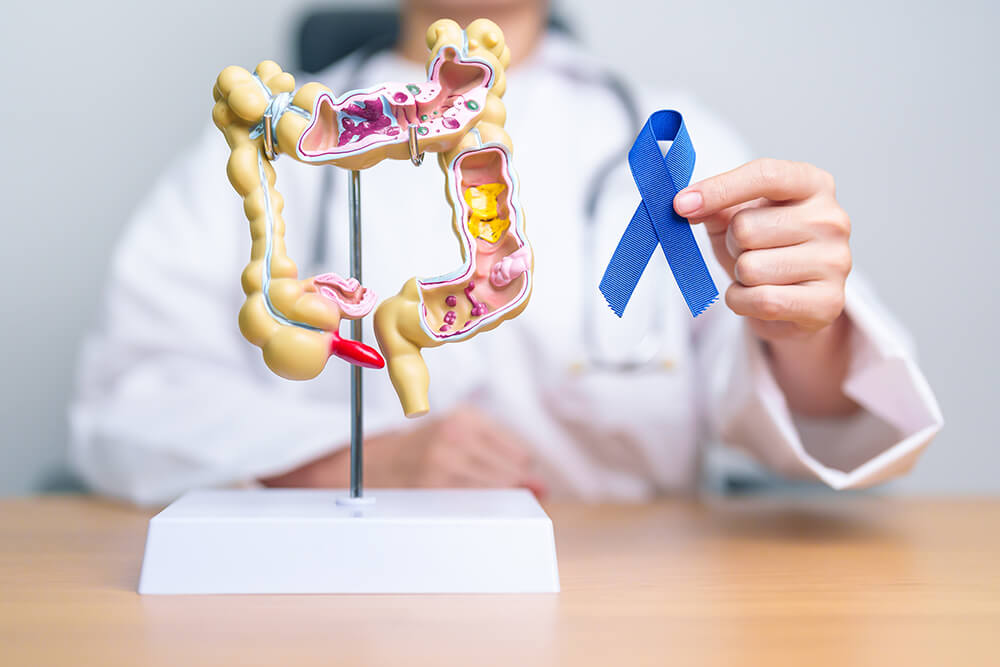
Colorectal cancer (comprising of cancer of the colon or the rectum) usually begins with the development of harmless growths called polyps. These polyps can become cancerous with time. Colorectal cancer may progress without any visible symptoms during its initial stages and thus screening is a necessity.

Why Screening for Colorectal Cancer Is Essential
It is important to have colorectal cancer at its early stages. This is because screening enables physicians to identify cancer at its most curable stages. Early detection of polyps can be done and they can be eliminated before they give rise to cancer. The American Cancer Society claims that colorectal cancer is a cause of cancer related deaths among men and women in the second ranking. Nevertheless, the survival of patients with early diagnosed cancer is more than 90 percent.
How Often Should You Get Screened for Colorectal Cancer?
The general guidelines for colorectal cancer screening vary based on your age, medical history, and risk factors. Let’s break down the recommended screening intervals:
1. General Screening Guidelines for Average Risk Individuals
For people at average risk of colorectal cancer, screening should begin at age 45. This age was recommended by the American Cancer Society in 2018, a change from the previous starting age of 50. Individuals with no family history or other risk factors can continue screening until age 75. After 75, the decision to continue screening should be discussed with your doctor, based on your overall health and life expectancy.
2. How Often Should You Get Screened?
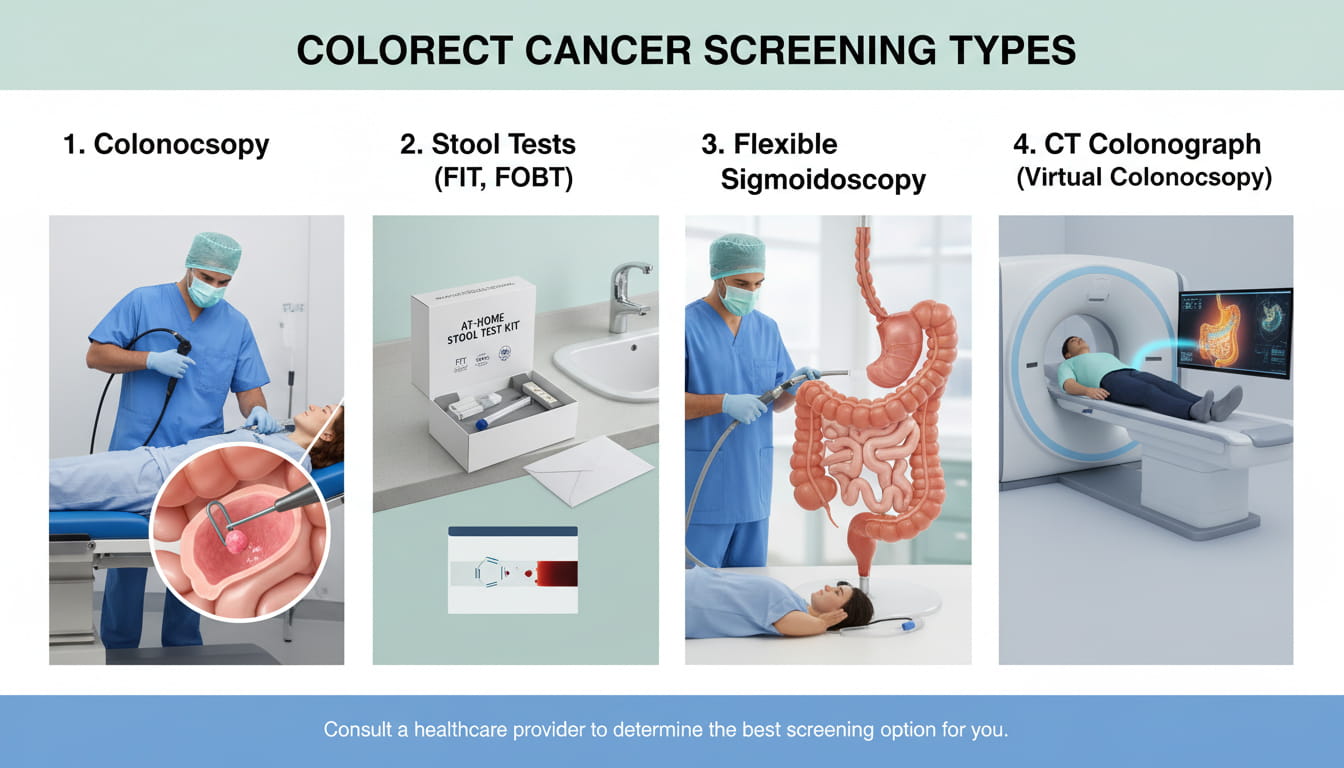
- Colonoscopy: Every 10 years. A colonoscopy is considered the gold standard for colorectal cancer screening. It allows doctors to examine the entire colon for polyps and abnormalities, and any polyps found can be removed during the procedure.
- Fecal Immunochemical Test (FIT): Annually. This stool test checks for blood in the stool, which could indicate the presence of cancer or polyps. It’s less invasive than a colonoscopy but should be followed by a colonoscopy if results are positive.
- Fecal Occult Blood Test (FOBT): Annually. Like the FIT, this test looks for hidden blood in the stool and is usually done once a year.
- Flexible Sigmoidoscopy: Every 5 years. This is a less extensive test than a colonoscopy and examines only the lower part of the colon. If any issues are found, you will likely need a full colonoscopy for further evaluation.
- CT Colonography (Virtual Colonoscopy): Every 5 years. This test uses CT imaging to create detailed images of the colon. If abnormalities are detected, a colonoscopy will be required for further examination.
3. When Should Screening Start Earlier?
If you have a family history of colorectal cancer, a personal history of polyps, or other risk factors like inflammatory bowel disease (IBD) or genetic syndromes, you may need to start screening earlier. People with these risk factors should begin screening at age 40 or even earlier, depending on the specific circumstances.
Factors That Influence Screening Frequency
Several factors can impact how often you need to get screened for colorectal cancer. These include:
- Family History: If your parent, sibling, or child has had colorectal cancer, your screening timeline may start earlier and may be more frequent.
- Personal Medical History: If you’ve had colorectal polyps or certain inflammatory bowel diseases (e.g., Crohn’s disease or ulcerative colitis), you may need more frequent screenings.
- Ethnicity and Lifestyle: Certain groups, such as African Americans, have a higher risk of colorectal cancer, and lifestyle factors like smoking and a poor diet can also increase your risk.
- Other Risk Factors: A personal history of colorectal cancer or other cancers may affect your screening schedule.
What Are the Different Types of Colorectal Cancer Screenings?
There are several types of screenings, and your doctor will recommend the one that’s most appropriate for your age, risk level, and health history. Below are the main screening options available:
1. Colonoscopy
The most thorough screening, colonoscopies involve using a flexible tube with a camera to examine the entire colon. They are the gold standard for colorectal cancer screening and can detect and remove polyps during the same procedure.
2. Stool Tests (FIT, FOBT)
These tests check for blood in the stool, which can be a sign of colorectal cancer. They are less invasive but require follow-up testing if results are positive.
3. Flexible Sigmoidoscopy
This test examines only the lower portion of the colon and is used less often than a full colonoscopy. It may require a follow-up colonoscopy if polyps or abnormalities are found.
4. CT Colonography
This imaging test uses CT scans to create detailed images of the colon. If it detects issues, a colonoscopy may be needed.
What to Expect During Colorectal Cancer Screening
Most colorectal cancer screenings are minimally invasive and can be done on an outpatient basis. Here's what you can expect during each of the common procedures:
- Colonoscopy: You will be sedated during the procedure, and the doctor will insert a flexible tube into the rectum to examine the colon. The procedure typically lasts about 30 to 60 minutes.
- Stool Tests: These are non-invasive tests that you can usually do at home. You will be given a kit to collect a stool sample, which is sent to the lab for analysis.
- Flexible Sigmoidoscopy: Similar to a colonoscopy, but only examines the lower part of the colon. It takes about 15 to 20 minutes.
- CT Colonography: This test uses CT scans to create images of the colon and may require a bowel preparation similar to a colonoscopy.
Conclusion: Take Action for Your Health Today
Getting screened for colorectal cancer is one of the best ways to protect your health. By following the recommended guidelines and speaking with your doctor about your risk factors, you can make informed decisions about when and how often to get screened.
If you are due for a screening or have concerns about your colorectal health, contact GastroDoxs in Jersey Village, TX today. Our team of experts is here to provide you with comprehensive care and ensure that you stay on top of your health.