








Digestive discomfort is more common than most people realize.
In Jersey Village, many residents report bloating, acid reflux, abdominal pain, and irregular bowel habits after eating what they believe are “normal” everyday foods.
If you live near Jersey Meadow Golf Course, Jones Road, or FM 529 and frequently experience gut discomfort after meals, your daily diet could be the hidden trigger.
At GastroDoxs — Defenders of Digestive System — we help patients identify food-related digestive irritation before it turns into chronic conditions like IBS, GERD, gastritis, or inflammatory bowel disease.
Let’s explore the most common everyday foods that irritate your gut — and what Jersey Village residents can do about it.
Gut irritation occurs when:
The busy lifestyle of the fast growing suburbs such as Jersey Village will probably result into:
This is likely to interfere with the digestive balance in the long-term.

Many adults in Texas have some level of lactose intolerance.
If symptoms appear within 30–90 minutes of dairy intake, intolerance is possible.
From drive-thru meals to fried appetizers, high-fat foods are common triggers.
Residents commuting via Highway 290 often report symptoms after fast meals.
Spicy Tex-Mex dishes can irritate sensitive stomachs.
Capsaicin increases stomach acid production and may irritate the esophagus.
Those diagnosed with GERD are particularly sensitive.
Sodas, sparkling waters, and energy drinks introduce excess gas into the digestive system.
For patients with IBS, carbonation often worsens symptoms.
Coffee stimulates acid production.
While moderate intake is safe for many, excessive consumption may lead to:
If morning coffee causes discomfort, your gut may be sensitive to caffeine.
Sugar-free gum, diet drinks, and low-calorie snacks often contain sorbitol or xylitol.
These are poorly absorbed and ferment in the colon.
Healthy but high in fermentable carbohydrates (FODMAPs).
These sugars ferment in the colon and produce gas.
Patients with IBS frequently report symptoms after consuming these ingredients.
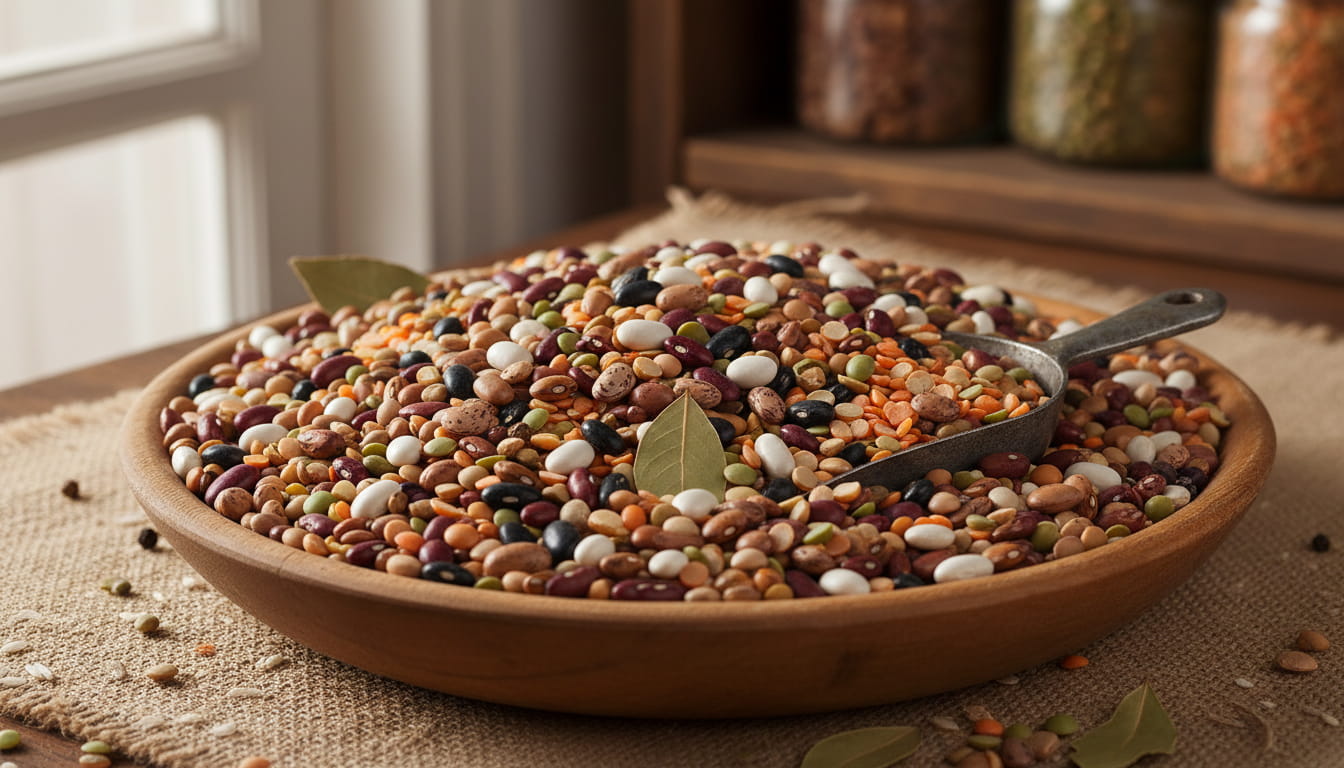
High in fiber and raffinose, a sugar difficult to digest.
While nutritious, they can cause:
Gradual introduction may reduce symptoms.
Hot dogs, deli meats, and sausages are high in preservatives and fat.
They may contribute to:
Contains both caffeine and fat.
Especially problematic when eaten at night.
Cream-based desserts and pastries delay stomach emptying.
Common complaints among Jersey Village patients:
Low in fiber.
Can cause:
Alcohol irritates the stomach lining.
Excess intake may cause:
Contain raffinose.
While healthy, they may produce gas in sensitive individuals.
Even healthy foods can irritate the gut when eaten in large quantities.
Overeating leads to:
Not all trigger foods affect everyone equally.
If symptoms persist, professional evaluation is recommended.
Sometimes everyday irritation masks underlying conditions such as:
Persistent symptoms require expert care.
At GastroDoxs, evaluation may include:

Digestive health evaluation at GastroDoxs is led by Dr Bharat Pothuri, a board-certified gastroenterologist dedicated to evidence-based digestive care.
Serving communities across Jersey Village, including:
Early diagnosis prevents complications.
To reduce irritation:
Simple adjustments often significantly improve symptoms.
Digestive irritation is common — but it is not something you have to live with.
If everyday foods consistently trigger symptoms, it’s time for expert evaluation.
Early intervention protects long-term digestive health.
If you live in Jersey Village, TX and struggle with bloating, reflux, or abdominal discomfort after meals, schedule an appointment at GastroDoxs.
Let our expert team help you identify triggers and restore digestive comfort.
Dr. Bharat Pothuri is a Board-Certified Gastroenterologist and Hepatologist. With extensive experience in digestive health, he specializes in advanced endoscopic procedures, chronic GI disorder management, and preventive care. Dr. Pothuri is dedicated to providing expert, patient-focused insights to help improve gut health and overall well-being.
Dairy, fried foods, spicy meals, carbonated drinks, artificial sweeteners, processed meats, and alcohol commonly irritate the digestive system.
Bloating may result from gas-producing foods, IBS, lactose intolerance, or slowed digestion. A gastroenterologist can help determine the cause.
Yes. Beans, broccoli, onions, and garlic may cause gas in sensitive individuals due to fermentable sugars.
Track symptoms in a food diary. If symptoms occur consistently after certain foods, an intolerance may be present.
Seek care if symptoms persist, worsen, or include weight loss, bleeding, or severe abdominal pain.
Coffee increases stomach acid and may worsen reflux or gastritis in sensitive individuals.
Yes. Sorbitol and xylitol ferment in the colon and may cause diarrhea or gas.
A low-FODMAP or elimination-based diet under medical supervision often helps.
Chronic irritation may signal IBS, GERD, gastritis, or inflammatory bowel disease.
GastroDoxs provides comprehensive digestive evaluation and treatment for residents of Jersey Village and surrounding areas.