
The Epigastric Pain assessment is comprehensive, gives personalized treatment and elimination of upper abdominal pain.
Read More






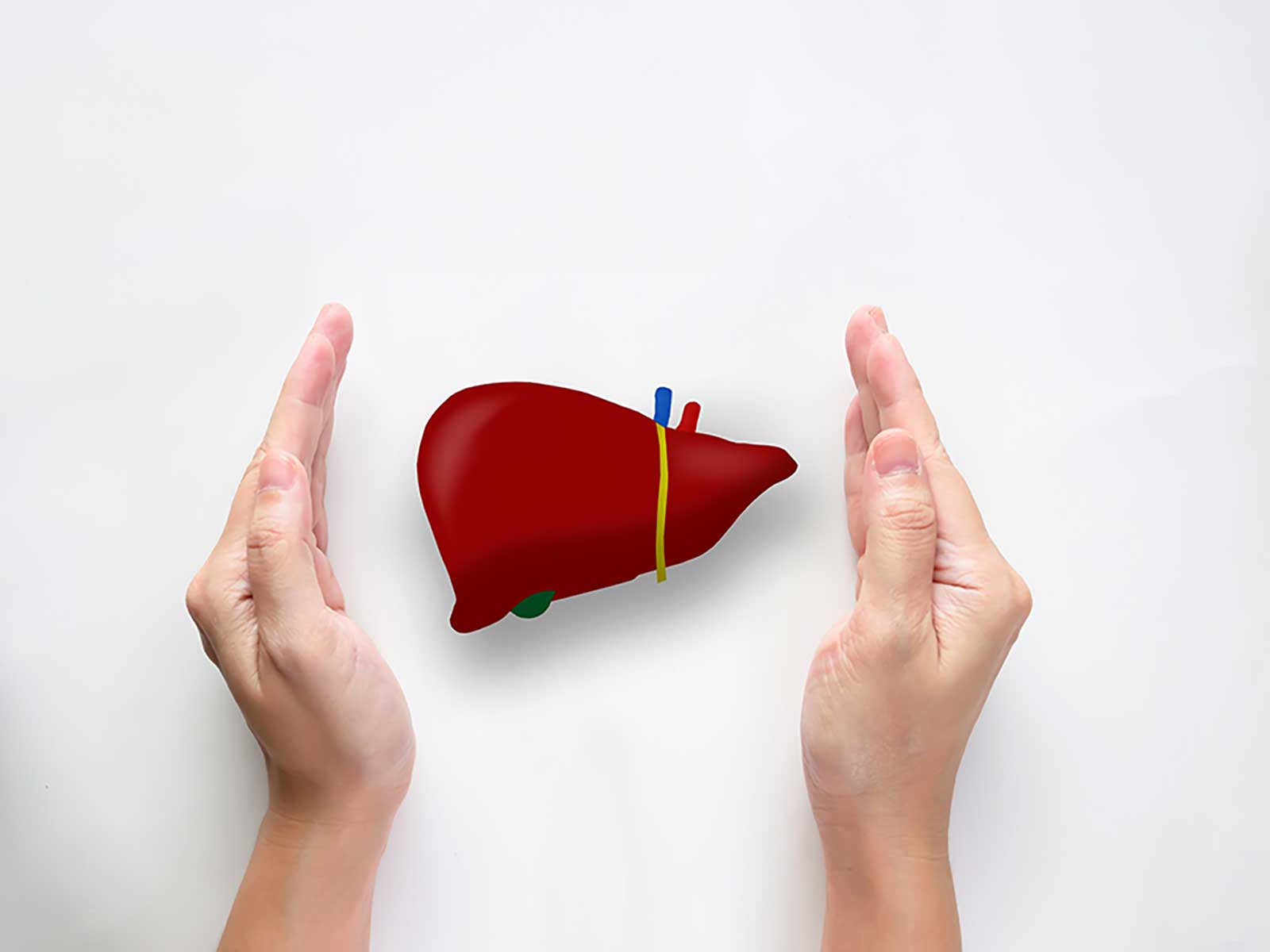
The Epigastric Pain assessment is comprehensive, gives personalized treatment and elimination of upper abdominal pain.
Read MoreImmediate medical attention is needed if you experience severe abdominal pain, vomiting blood, bloody stools, severe dehydration, or unexplained weight loss. These symptoms could indicate a serious digestive condition requiring urgent care.
Symptom-based treatments focus on managing specific symptoms of digestive disorders. For example, antacids and PPIs are used to relieve acid reflux symptoms, while laxatives and fiber supplements help with constipation. Our team tailors treatments to the specific symptoms you're experiencing.
Abdominal pain can result from conditions like gastritis, ulcers, IBD, or irritable bowel syndrome (IBS). Identifying the underlying cause is crucial for effective treatment, which may involve medication, diet changes, and stress management.
Diagnostic tests for symptoms like diarrhea and nausea include stool samples, blood tests, CT scans, and endoscopic procedures like colonoscopy or upper endoscopy. These tests help determine the underlying condition causing the symptoms.
Treatment for gas and bloating may include dietary changes (e.g., low FODMAP diet), probiotics, and medications like simethicone. GastroDoxs offers personalized treatment to help relieve these uncomfortable symptoms.
Lifestyle changes like reducing stress, exercising regularly, and improving sleep hygiene can significantly reduce digestive symptoms like bloating, diarrhea, and constipation. A balanced diet and healthy lifestyle are integral to managing conditions like IBD and GERD.
Dietary modifications, such as avoiding trigger foods like spicy dishes, caffeine, and fatty foods, can improve symptoms of acid reflux. For constipation, increasing fiber intake and staying hydrated can promote regular bowel movements.
Risk factors for developing IBS and GERD include a family history, high-stress levels, poor diet, and smoking. Lifestyle changes, such as reducing stress and avoiding trigger foods, can help reduce the risk of these conditions.
Chronic nausea is often treated with antiemetic medications, dietary changes, and lifestyle adjustments. Identifying the underlying cause, such as GERD or gastroparesis, is key to managing and treating nausea effectively.
Pediatric gastrointestinal care focuses on conditions such as pediatric GERD, celiac disease, and IBS in children. Treatment plans are designed for a child's developmental needs, and include dietary changes, medications, and behavioral interventions for effective management.
Signs that gastrointestinal symptoms in older adults may require surgery include severe abdominal pain, unexplained weight loss, or conditions like colon cancer or gallstones that do not respond to non-surgical treatments. Surgery is recommended when other treatments fail to provide relief.
