
We offer early satiety evaluation with tailored nutrition strategies to help you enjoy comfortable meals.
Read More







We offer early satiety evaluation with tailored nutrition strategies to help you enjoy comfortable meals.
Read More
Flatulence presents timely, confidential disodorization services/launches and coaching to aid in getting you out of social encounters without much fuss.
Read More
Our proposal is inclusive care services in gastrointestinal disorders, whereby our treatment plans will be customized with better digestive health.
Read More
Professional assessment of hematemesis is an opportune diagnosis and treatment of upper gastrointestinal bleeding and compassionate care practice.
Read More
Our specialists help manage nausea with vomiting through personalized treatment plans, ensuring relief and comfort.
Read More
Odynophagia consultation service is an expert review facility with expert treatment plans to relieve painful swallowing aids in a short time.
Read More
Strict examination of pelvic pain and customized care, which can allow you to find my lasting relief and rediscover the comfort.
Read More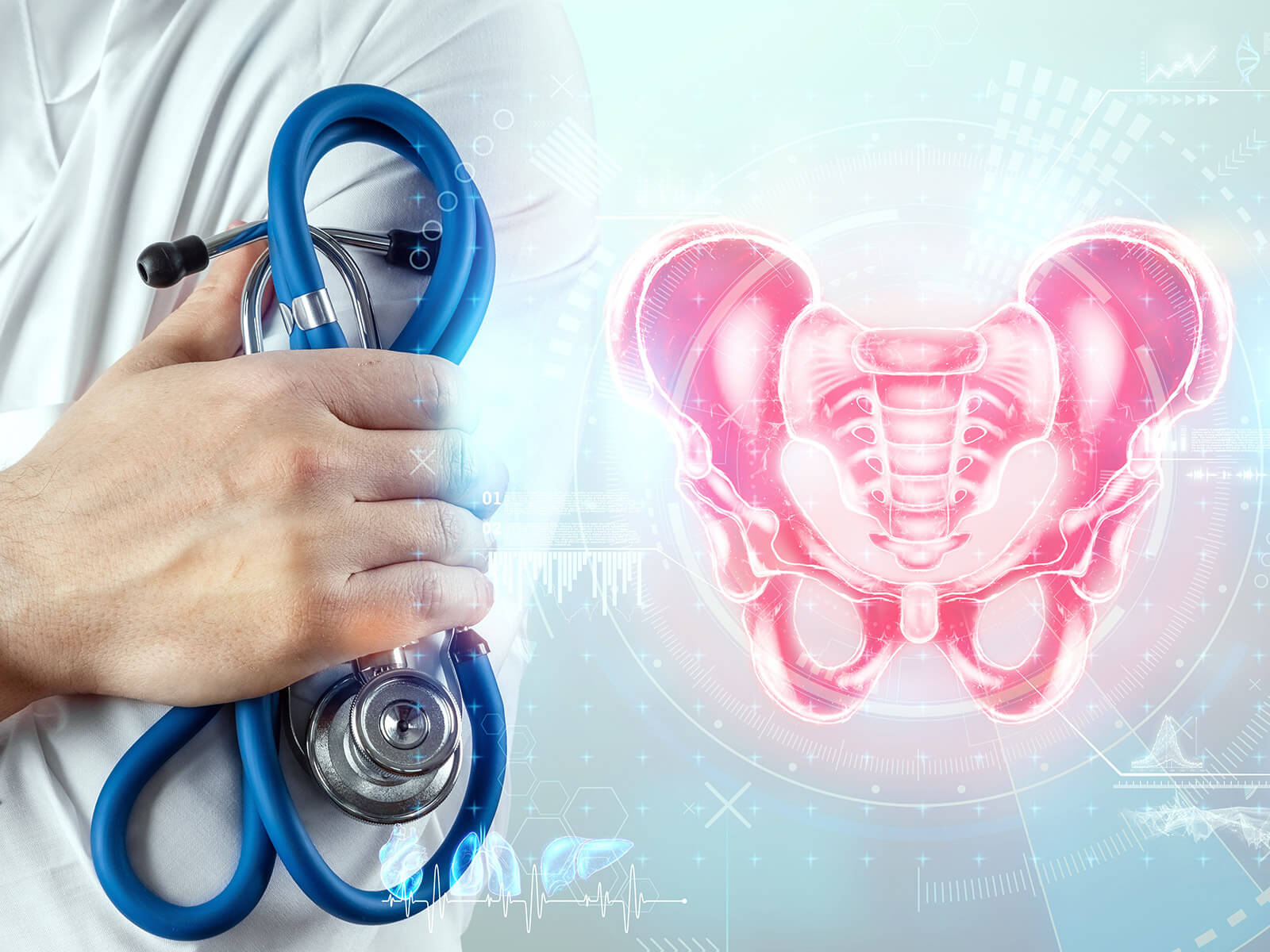
Our Pelvic Pain service offers diagnosis and treatment to relieve pain and help to maintain pelvic health.
Read More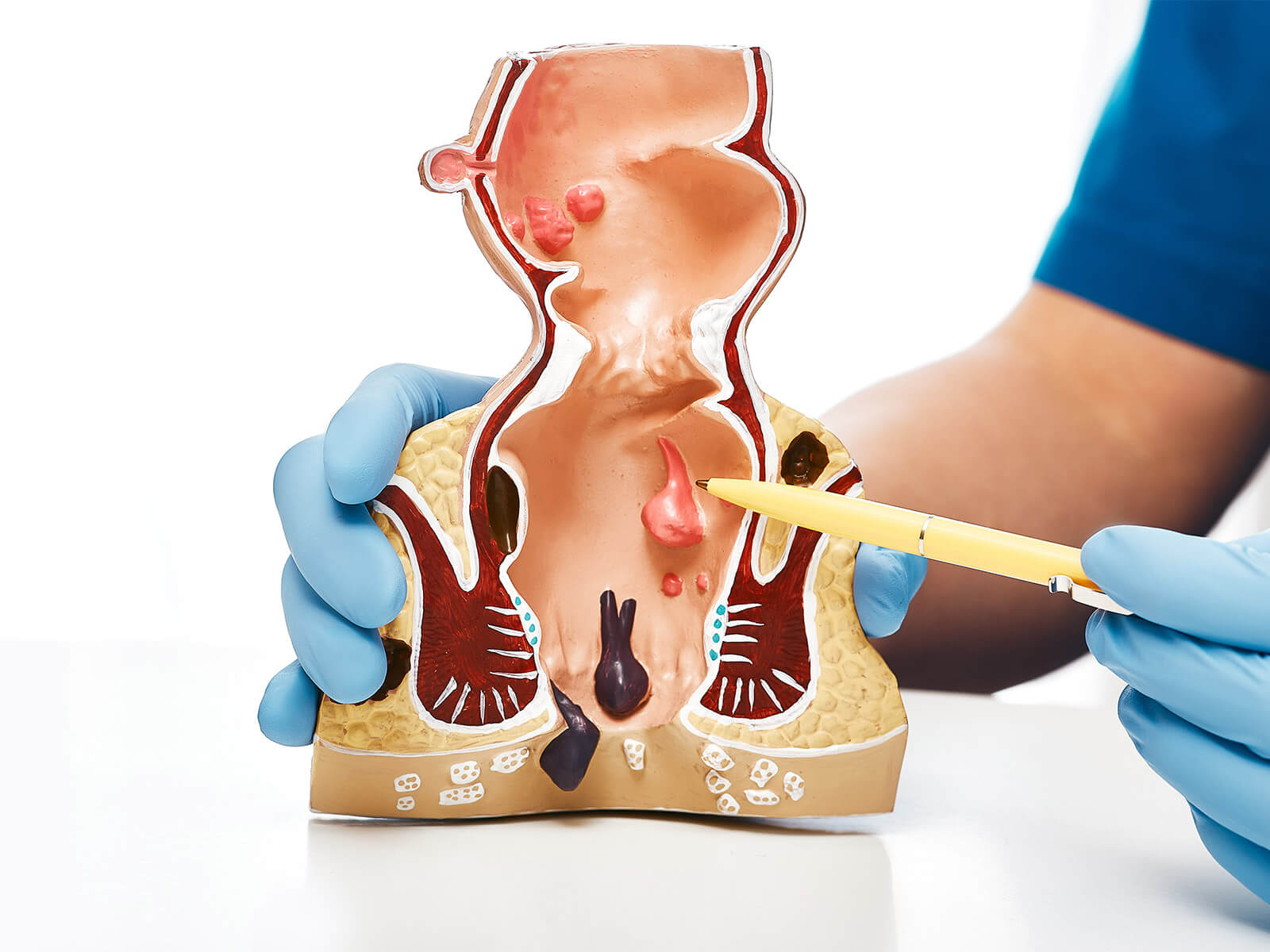
We offer sensitive evaluation and control of the bleeding of mince in order to generate reasons and relieve pain.
Read More
Our service specialty is applied in the treatment of colorectal cancer to identify and remove sessile serrated lesions at an early stage before they grow into colorectal cancer.
Read MoreImmediate medical attention is needed if you experience severe abdominal pain, vomiting blood, bloody stools, severe dehydration, or unexplained weight loss. These symptoms could indicate a serious digestive condition requiring urgent care.
Symptom-based treatments focus on managing specific symptoms of digestive disorders. For example, antacids and PPIs are used to relieve acid reflux symptoms, while laxatives and fiber supplements help with constipation. Our team tailors treatments to the specific symptoms you're experiencing.
Abdominal pain can result from conditions like gastritis, ulcers, IBD, or irritable bowel syndrome (IBS). Identifying the underlying cause is crucial for effective treatment, which may involve medication, diet changes, and stress management.
Diagnostic tests for symptoms like diarrhea and nausea include stool samples, blood tests, CT scans, and endoscopic procedures like colonoscopy or upper endoscopy. These tests help determine the underlying condition causing the symptoms.
Treatment for gas and bloating may include dietary changes (e.g., low FODMAP diet), probiotics, and medications like simethicone. GastroDoxs offers personalized treatment to help relieve these uncomfortable symptoms.
Lifestyle changes like reducing stress, exercising regularly, and improving sleep hygiene can significantly reduce digestive symptoms like bloating, diarrhea, and constipation. A balanced diet and healthy lifestyle are integral to managing conditions like IBD and GERD.
Dietary modifications, such as avoiding trigger foods like spicy dishes, caffeine, and fatty foods, can improve symptoms of acid reflux. For constipation, increasing fiber intake and staying hydrated can promote regular bowel movements.
Risk factors for developing IBS and GERD include a family history, high-stress levels, poor diet, and smoking. Lifestyle changes, such as reducing stress and avoiding trigger foods, can help reduce the risk of these conditions.
Chronic nausea is often treated with antiemetic medications, dietary changes, and lifestyle adjustments. Identifying the underlying cause, such as GERD or gastroparesis, is key to managing and treating nausea effectively.
Pediatric gastrointestinal care focuses on conditions such as pediatric GERD, celiac disease, and IBS in children. Treatment plans are designed for a child's developmental needs, and include dietary changes, medications, and behavioral interventions for effective management.
Signs that gastrointestinal symptoms in older adults may require surgery include severe abdominal pain, unexplained weight loss, or conditions like colon cancer or gallstones that do not respond to non-surgical treatments. Surgery is recommended when other treatments fail to provide relief.