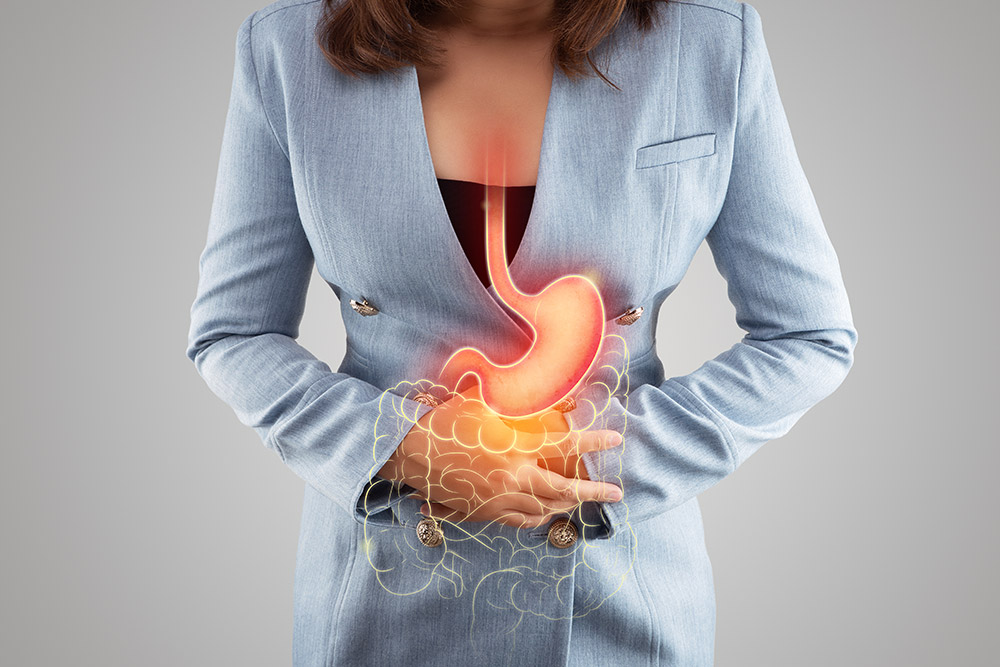
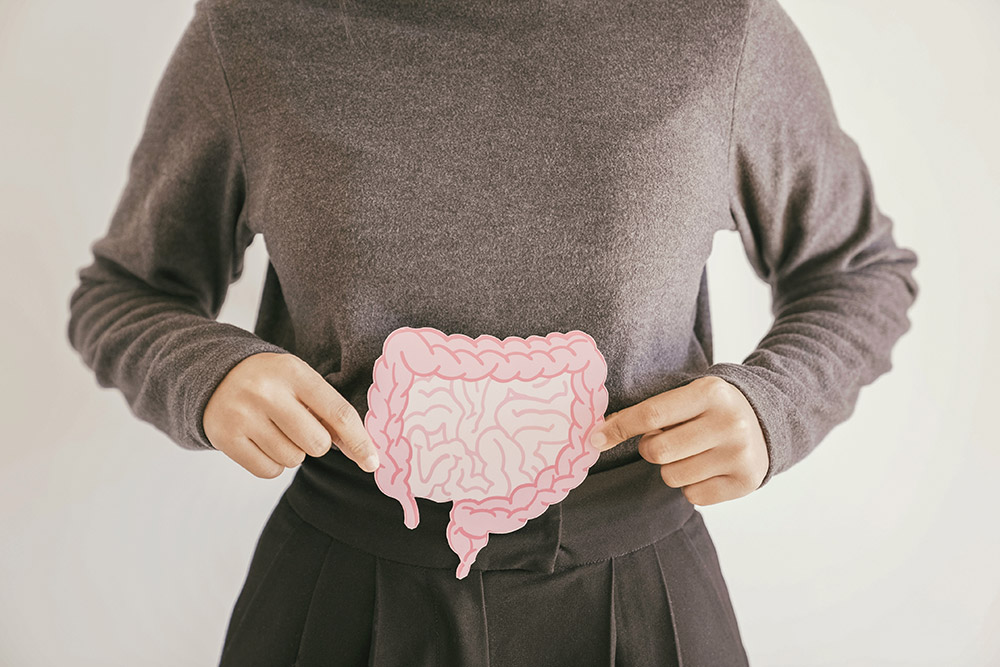
A tubulovillous adenoma is a category of colon polyp, which is lined with both tubular (tube-shaped) and villous (finger-shaped) tissues. These growths are not cancerous (benign) and yet they may grow regions of high-grade dysplasia-cells that appear abnormal with a microscope-that puts pressure of progressing into colorectal cancer on them in the case they are not excised.
Small tubulovillous adenoma categorically do not bring symptoms. Increase the size of the polyps or further those advanced can cause:
The precise reason behind these polyps is not always evident but there are several reasons that can increase your susceptibility to getting tubulovillous adenomas:
GastroDoxs is a medical center specializing in patient-centered care and integrated solutions to tubulovillous adenoma diagnosis and treatment. The Katy staff also embraces the most recent endoscopic devices, provides a caring treatment plan since your initial coming to the place even after discharge, and establishes tailor-made post-discharge plans to ensure your wellness in the long run.
Ready to take the next step? Call us at 832-632-4070 or book your appointment online today to schedule your consultation and colonoscopy in Katy, TX.
We've successfully treated more than 48K patients, helping individuals improve their digestive health and overall well-being through expert, personalized care.
With over 20 years of experience, GastroDoxs has been a trusted provider of gastroenterology care, focusing on delivering the best outcomes for patients

Dr. Bharat Pothuri is a Board-Certified Gastroenterologist and Hepatologist. With extensive experience in digestive health, he specializes in advanced endoscopic procedures, chronic GI disorder management, and preventive care. Dr. Pothuri is dedicated to providing expert, patient-focused insights to help improve gut health and overall well-being.
This term is used to describe the appearance of a colon polyp whose cells appear abnormal in the microscope more than normal. The high grade dysplasia exhibits a higher possibility of the occurrence of these cells in cancer should they not be excised.
Although this is rare, tiny pieces could be missed. This is why we employ modern imaging and careful sampling in the process of removal to have a complete excision.
No. It is a harmless (non-cancerous) growth, however, due to the possible development of cancer with time, an early diagnosis and excision are essential.
Approximately, most of the colonoscopies also include polyp removal and take between 20 minutes to 60 minutes. The time varies according to the size of the polyps and its quantity.
Yes. Sedation will ensure that you feel safe and pain free during such a procedure and the gastroenterologist gets to go about their work with some form of safety and efficiency.
The variables are used to know the intervals of follow-up; some of the variables include the size of the polyps, the number of polyps as well as dysplasia that might be present. A doctor will prescribe you your own schedule.
Yes. Most of these large benign polyps are endoscopically removable without the use of open surgery through the application of endoscopic mucosal resection (EMR).
The complications are few but may comprise of bleeding or slight chances of perforation (tear) in the colon. Our professionals utilize best practices in order to reduce such risks.
No. While diet cannot shrink already formed polyps, a high-fiber, low-fat diet can help lower the risk of new polyps developing in the future.
Yes. A close relative with colon polyps or cancer increases your risk, and you may need earlier or more frequent screening to catch growths at an early, treatable stage.