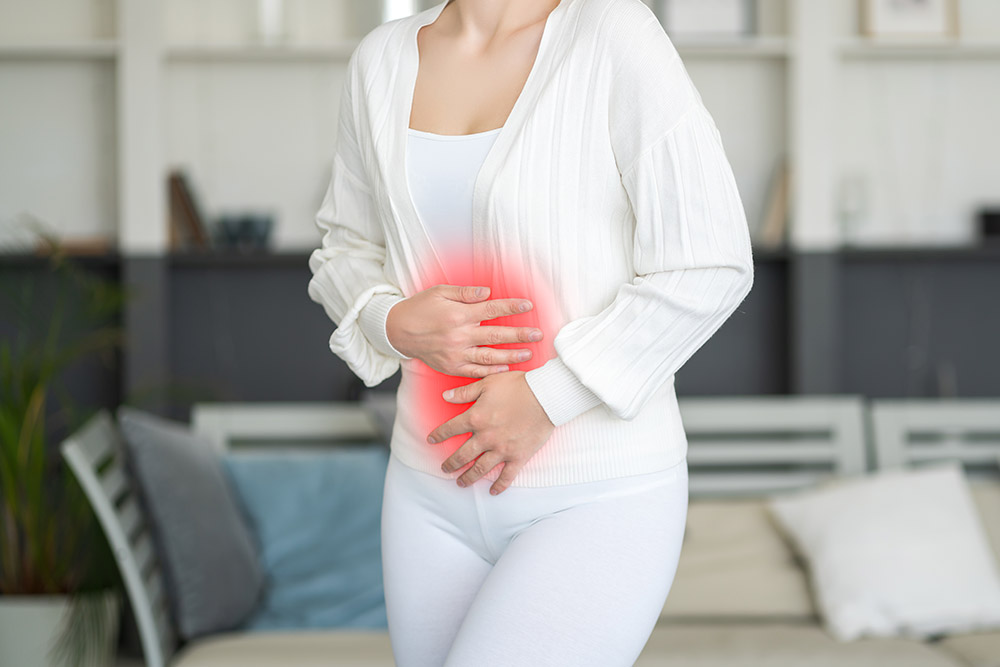








IBS-C is chronic in the digestive system that can be defined as infrequent and hard bowel movements and slow transit of bowles. With contrast to normal constipation, IBS-C is also accompanied with frequent pain or discomfort in the abdomen and bloating. The symptoms may take months or a longer period of time and affect quality of life and daily activities.
People with IBS-C often experience a combination of these symptoms:
While the exact cause of IBS-C remains unknown, several factors may play a role:
GastroDoxs serves the community of Katy, specializing in managing IBS-C as well as creating personalized treatment plans to help patients achieve permanent remission of hard stools, bloating and abdominal discomfort. The expertise in our team integrates up to date dietary recommendations, drugs, supplements and mind-body treatments- all provided with sensitivity and effective communication. Stop giving your life to IBS-C. You need to make a call and to make an appointment today in order to start the process of improving your digestive health.
We've successfully treated more than 2.9k patients, helping individuals improve their digestive health and overall well-being through expert, personalized care.
With over 20 years of experience, GastroDoxs has been a trusted provider of gastroenterology care, focusing on delivering the best outcomes for patients

Dr. Bharat Pothuri is a Board-Certified Gastroenterologist and Hepatologist. With extensive experience in digestive health, he specializes in advanced endoscopic procedures, chronic GI disorder management, and preventive care. Dr. Pothuri is dedicated to providing expert, patient-focused insights to help improve gut health and overall well-being.
IBS-C (Irritable Bowel Syndrome with Constipation) is characterized by frequent or hard stools along with chronic abdominal pain, bloating, and a feeling of incomplete evacuation. General constipation involves slowed bowel movements but typically lacks the persistent discomfort and bloating seen in IBS-C.
The causes of IBS-C are multifactorial and include disrupted gut-brain communication, slow colon transit, food intolerances, stress or anxiety, and changes in the gut microbiome.
Quick relief can often be achieved by increasing water intake, adding soluble fiber (such as psyllium), engaging in mild physical activity (like walking), and using over-the-counter osmotic laxatives such as polyethylene glycol (PEG) to soften stools.
Yes. A low-FODMAP diet can help reduce fermentable carbohydrates that trigger symptoms. Including fiber-rich foods (like oats, flax, and psyllium), staying hydrated, and keeping a food diary can help identify personal triggers.
You should see a gastroenterologist if symptoms persist despite home remedies for 4–6 weeks, or if you experience red-flag symptoms such as unexplained weight loss, rectal bleeding, or severe abdominal pain.
Treatment may include bulk-forming agents (like psyllium), osmotic laxatives (like PEG), and prescription drugs such as linaclotide, plecanatide, lubiprostone, or tegaserod, depending on symptom severity and individual response.
IBS-C is often a chronic condition, but with proper diet, lifestyle changes, medications, and stress-management techniques, many people can achieve long-term symptom control or remission.
Yes. Certain probiotic strains, particularly those containing Bifidobacterium and Lactobacillus, can improve gut motility, balance intestinal flora, and reduce bloating and constipation symptoms.
Common tests include blood work (to rule out anemia or thyroid issues), SIBO breath tests, celiac screening, and in some cases, a colonoscopy to rule out other gastrointestinal conditions.
Soluble fibers such as psyllium husk are most effective. They absorb water to form a soft, viscous stool that promotes regular bowel movements and reduces discomfort.