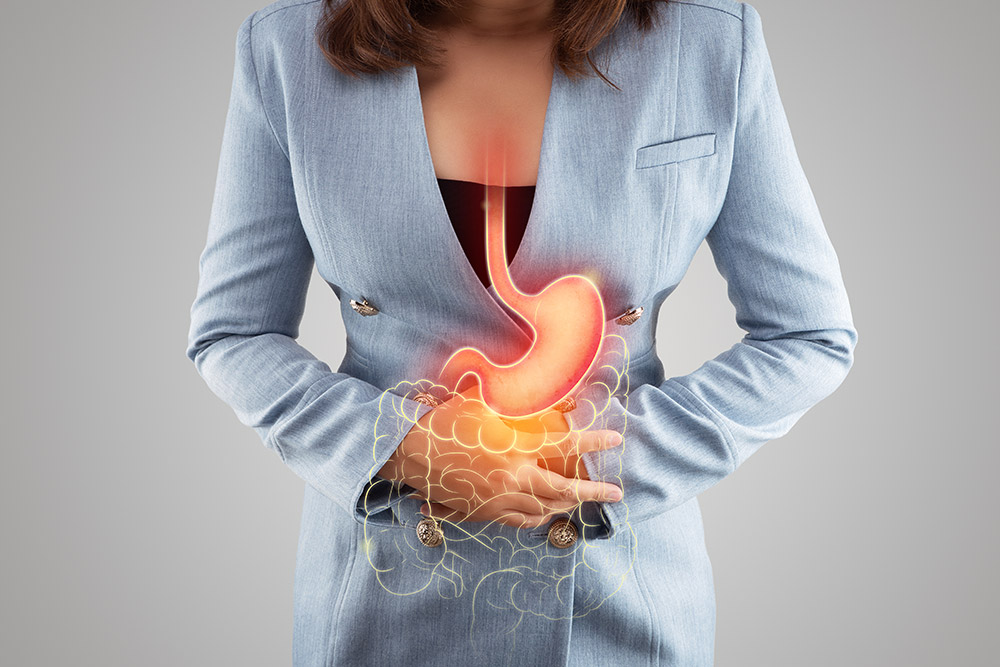








Infectious colitis refers to inflammation of the large intestine (colon) which has been caused by dangerous microorganisms-bacteria, viruses or parasites. It is normally contracted fast, in most cases, following ingestion of contaminated food or water. Infectious colitis is also resolvable within few days with proper treatment unlike ulcerative colitis which is a chronic disease.
You may notice one or more of the following:
Infectious colitis can be triggered by a variety of factors:
Don't wait to feel better. In Katy, GastroDoxs has board-certified experts in the field of digestive health, single-day appointments, prompt test results, and customized care plans of infectious colitis. Call us now at 832-632-4070 or book online to secure your visit and start your journey to recovery.
We've successfully treated more than 1.5K patients, helping individuals improve their digestive health and overall well-being through expert, personalized care.
With over 20 years of experience, GastroDoxs has been a trusted provider of gastroenterology care, focusing on delivering the best outcomes for patients

Dr. Bharat Pothuri is a Board-Certified Gastroenterologist and Hepatologist. With extensive experience in digestive health, he specializes in advanced endoscopic procedures, chronic GI disorder management, and preventive care. Dr. Pothuri is dedicated to providing expert, patient-focused insights to help improve gut health and overall well-being.
No. Ulcerative colitis is a chronic and long-term bowel inflammatory illness. Infectious colitis is an acute inflammation of the colon due to bacteria, viruses, or parasites, and it is normally cured with proper medication.
In mild cases, recovery usually takes place in 3–7 days. More serious infections may last 2–4 weeks depending on the pathogen and the speed of its treatment.
Not always. The prescription of antibiotics is made only when laboratory tests confirm a bacterial infection. Depending on your test results, your doctor will advise on the appropriate treatment.
Yes, if symptoms are mild. Rest, drink fluids or oral rehydration solutions, and eat bland foods such as bananas, rice, applesauce, and toast. Consult a physician if you experience fever, blood in stool, or signs of dehydration.
It may be precipitated by contaminated food or water, poor hygiene, visiting places with unsafe water, disruption of gut flora after antibiotics, or direct contact with pathogens such as Salmonella, E. coli, norovirus, or Giardia.
Doctors follow evidence-based guidelines: fluid replacement (oral or IV), antibiotics for bacterial cases, antiparasitic drugs where necessary, a bland diet, probiotics, and close monitoring of patient symptoms.
Gastroenteritis refers to inflammation of the stomach and small intestine, leading to nausea and vomiting. Infectious colitis primarily affects the colon and typically causes abdominal pain and bloody or watery diarrhea.
Yes. The stomach/small intestine and colon can be infected simultaneously. Diagnosis may involve stool studies to identify all causative pathogens and guide specific treatment.
Practice good hand hygiene, avoid raw or undercooked dairy and meat, consume bottled or properly treated water, and avoid food and water in unsanitary locations, especially while traveling.
See a gastroenterologist if you have diarrhea lasting more than 48 hours, high fever, visible blood in stool, or signs of dehydration such as dry mouth, dizziness, or reduced urine output.