







1.9K Reviews    |    4.7 Star Rating    |    20+ years of experience    |    72k+ Patients Treated
Sụt cân bất thường

Abnormal Weight Loss in Katy

At GastroDoxs, our local trusted gastroenterologists become involved in diagnosing and treating abnormal weight loss, which incorporates the testing with personalized nutrition counseling to recuperate your health in the community based hotspot which residents of count upon to have holistic digestive care.

Call Us 832-632-4070 Schedule Now Click Here Text Us 832-632-4070 Learn More Click Here
Texas Medical Board
Harris County Medical Society
American College of Gastroenterology
American Society for Gastrointestinal Endoscopy
Memorial hermann
Houston Methodist leading Medicine
HCA Houston Healthcare
Bharat Pothuri
Symptoms

What is Abnormal Weight Loss?

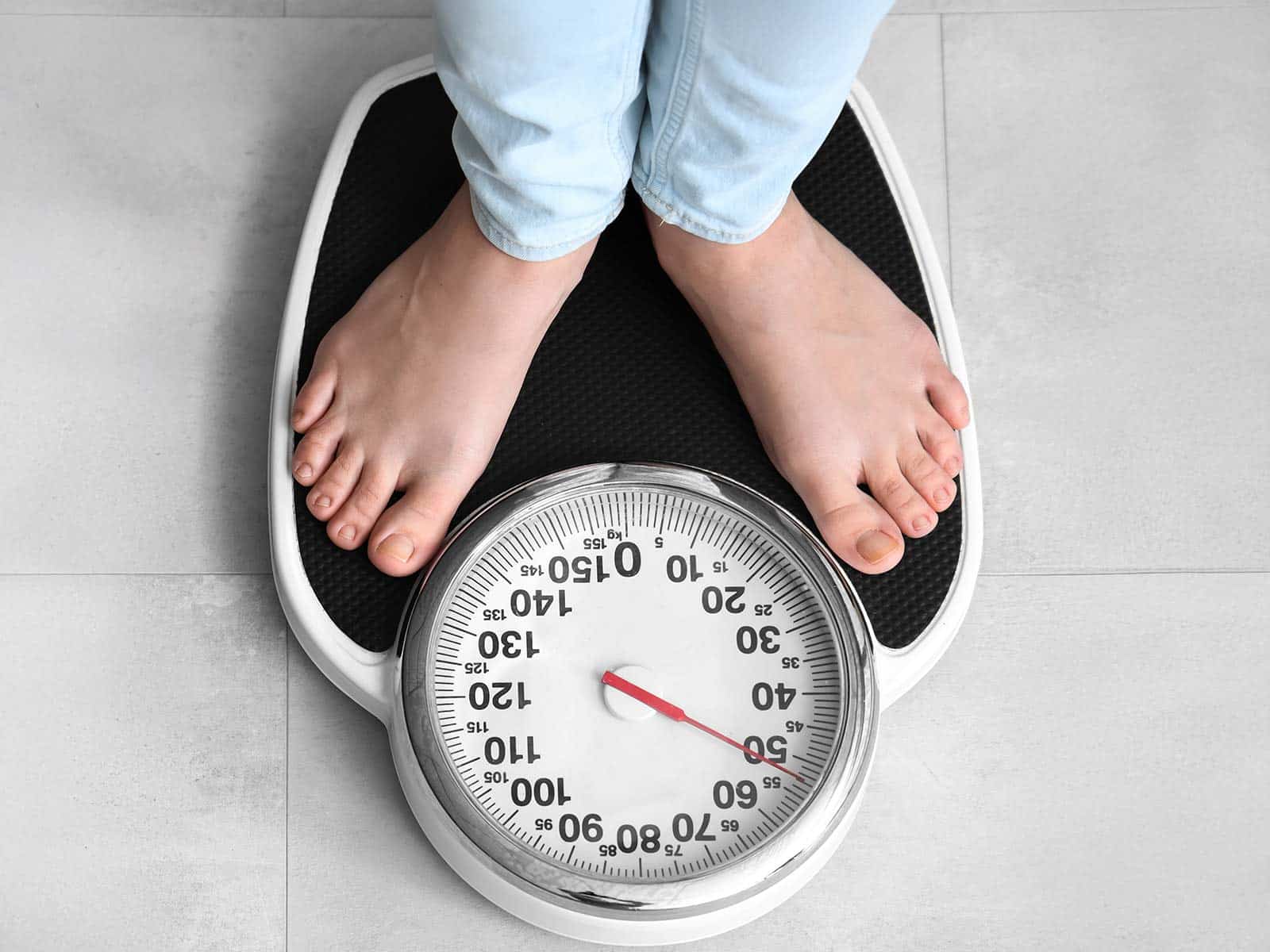
Abnormal weight loss is whereby you lose greater than 5 percent of your body weight in six months without any modifications in your diet or exercise. It may develop on a slow or a rapid basis and is classified under ICD-10-CM as R63.4. When not controlled, it can result in weakness, deficiencies of nutrients and other health related problems.

Common Symptoms

Look for these warning signs:

  • Rapid or unexplained weight drop
  • Persistent fatigue or low energy
  • Loss of appetite
  • Nausea, vomiting, or other digestive upset
  • Noticeable loss of muscle mass

Causes

Various medical issues and factors can drive abnormal weight loss, including:

  • Digestive disorders (e.g., Crohn's disease, celiac disease)
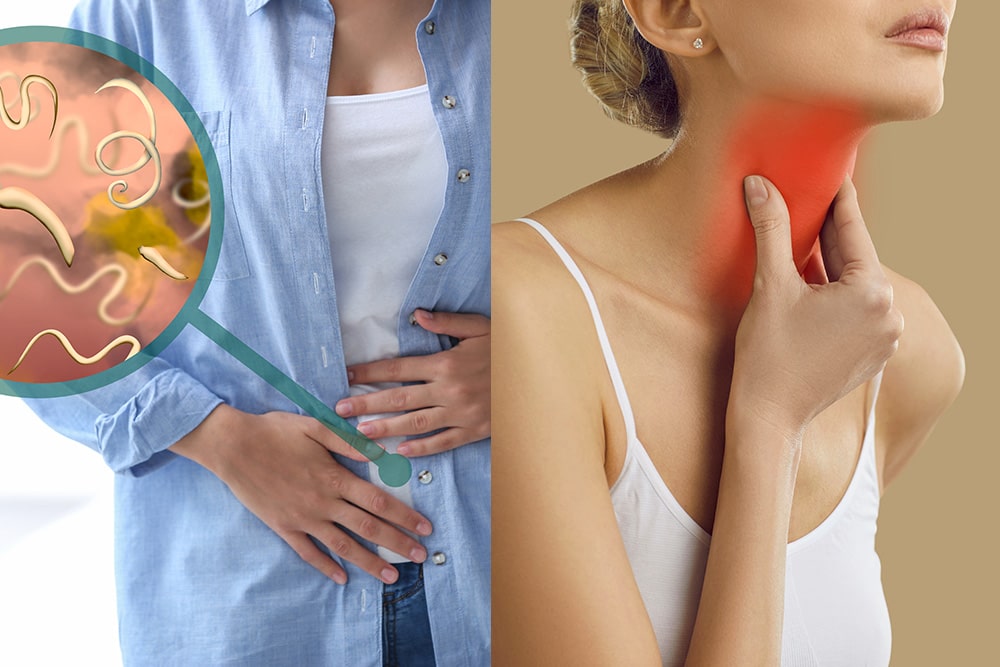
  • Endocrine problems such as hyperthyroidism
  • Chronic infections like HIV or tuberculosis
  • Liver disease or abnormal liver function
  • Different types of cancer
  • Mental health conditions (e.g., depression, eating disorders)
  • Side effects of certain medications
Treatment

Treatment Options for Abnormal Weight Loss in Katy

Treatment includes diagnostic evaluation and personalized care:

  • Endoscopy/colonoscopy: Direct visualization to examine gastrointestinal (GI) tract disorders such as Crohn’s disease or celiac disease.
  • Nutrition counseling: Customized meal planning aimed at restoring weight and correcting nutrient deficiencies.
  • Supplements: Specific vitamins and minerals, such as iron, vitamin B12, or vitamin D, may be recommended to support recovery.
  • Medications: Prescribed to treat underlying conditions such as thyroid disorders, infections (antibiotics), or inflammation (anti-inflammatory drugs).
  • Mental health support: Therapy or counseling for stress, depression, or eating disorders that may contribute to weight loss.
  • Follow-up: Regular monitoring of your treatment plan, weight trends, symptoms, and lab results to adjust care as needed.

Why Choose GastroDoxs?

Unaccounted weight loss cannot fly by. In Katy, GastroDoxs provides in-depth internal diagnostics, individual nutrition planning, and responsible treatment to find the cause of the problem and restore your strength. Trust us with your long-term health; we will be providing you with caring and effective communication throughout the course of treatment. Book your appointment today and take the first step toward restoring your well-being.

399

Patients Treated

We've successfully treated more than 399 patients, helping individuals improve their digestive health and overall well-being through expert, personalized care.

20Y

Years of Experience

With over 20 years of experience, GastroDoxs has been a trusted provider of gastroenterology care, focusing on delivering the best outcomes for patients

Bharat Pothuri

About the Author

Dr. Bharat Pothuri is a Board-Certified Gastroenterologist and Hepatologist. With extensive experience in digestive health, he specializes in advanced endoscopic procedures, chronic GI disorder management, and preventive care. Dr. Pothuri is dedicated to providing expert, patient-focused insights to help improve gut health and overall well-being.

Frequently Asked Questions

Substandard abnormal weight loss – the ICD-10 code

Abnormal weight loss is coded as ICD-10-CM R63.4.

Is it normal to lose weight without putting effort?

No. Any unexpected or unintentional weight loss should always be evaluated by a medical professional to rule out underlying diseases or conditions.

Will a problem of weight loss come as a result of liver issues?

Yes. Liver dysfunction can interfere with digestion, nutrient absorption, and appetite, leading to unintended weight loss.

What is the connection between digestive diseases and weight loss?

Conditions such as Crohn’s disease or celiac disease can damage the intestinal lining, impairing nutrient absorption and resulting in weight loss.

Is it always serious in case of abnormal weight loss?

Not always, but it should never be ignored. Early screening can help identify possible health issues and prevent them from worsening.

What is the diagnosis or detection process for abnormal weight loss?

Diagnosis may include a thorough medical history review, endoscopy or colonoscopy, imaging studies (such as ultrasound or CT scan), and blood tests to determine the cause.

What would happen to my weight loss if it is caused by stress?

Stress and anxiety can suppress appetite and affect digestion. Treatment may include counseling, stress management techniques, and nutritional support.

What are the symptoms of uncharacteristic weight loss in women?

Women may experience muscle weakness, unexplained fatigue, thinning hair, menstrual irregularities, and unintended weight loss.

Are thyroid complications the cause of weight loss?

Yes. An overactive thyroid (hyperthyroidism) increases metabolism, which can cause rapid and unexplained weight loss.

When is it necessary to meet a specialist?

If you have lost more than 5% of your body weight within six months without trying, you should consult a healthcare specialist promptly to determine the cause and begin appropriate treatment.


Related Blogs
Abdominal Pain

How Regular Screenings Can Save Your Digestive Health

Read More
Abdominal Pain

What Are The Treatment Options for My Loved One with Colon Cancer?

Read More
Abdominal Pain

Hyperthyroidism and Diarrhea: Understanding the Causes and Treatment Options

Read More