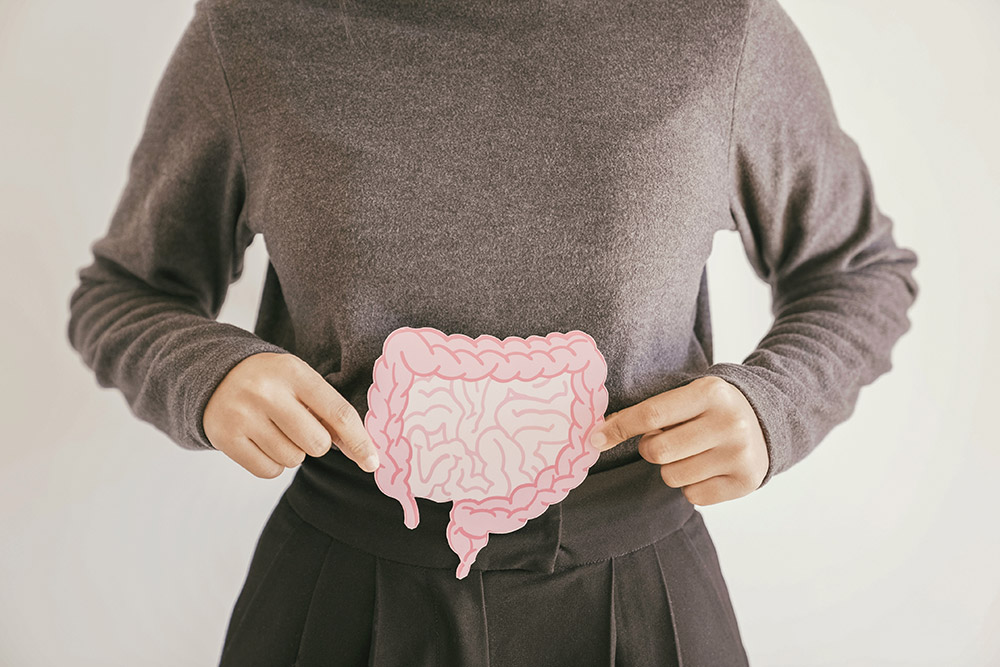








Rectal polyps are small lumps of growths on the inner surface of the rectum. They resemble either bumps or mushroom-like protrusions. Though majority of polyps cannot develop into colorectal cancer, there are those that may develop into cancer when not detected at their initial stages.
In many cases, rectal polyps cause no noticeable symptoms. When they do occur, you might experience:
The exact cause of rectal polyps is often unknown, but several factors can raise your risk:
GastroDoxs in Jersey Village offers extensive factors of care in the detection and safe polypectomy of rectal polyps, as well as in the follow-up of the patient, through a patient-first philosophy, board-qualified gastroenterologists, and the latest endoscopic technology. We will simplify your outcomes, take care of you along the way, and help you on all the way. Make your appointment now or call us and you are going to manage your colon.
We've successfully treated more than 4k patients, helping individuals improve their digestive health and overall well-being through expert, personalized care.
With over 20 years of experience, GastroDoxs has been a trusted provider of gastroenterology care, focusing on delivering the best outcomes for patients
Dr. Bharat Pothuri is a Board-Certified Gastroenterologist and Hepatologist. With extensive experience in digestive health, he specializes in advanced endoscopic procedures, chronic GI disorder management, and preventive care. Dr. Pothuri is dedicated to providing expert, patient-focused insights to help improve gut health and overall well-being.
Rectal polyps are benign growths on the inner lining of the rectum, usually small in size. Although not all polyps are cancerous, some types are associated with a higher risk of developing cancer if not detected and removed at an early stage.
Symptoms may include bright red blood in the stool or on toilet paper, mucus discharge, urgency to defecate, chronic constipation or diarrhea, abdominal cramps, and weakness due to slow blood loss (anemia). However, many people with rectal polyps may have no noticeable symptoms.
The exact cause is not always known, but risk factors include being over the age of 50, having a family history of polyps or colon cancer, inflammatory bowel diseases (such as ulcerative colitis or Crohn’s disease), a diet high in red meat and low in fiber, smoking, alcohol use, and obesity.
No. Rectal polyps are abnormal tissue growths on the rectal lining and can potentially become cancerous, often without causing pain. Hemorrhoids are swollen veins around the anus or lower rectum that may itch, bleed, or cause discomfort. A colonoscopy is the definitive method for distinguishing between the two.
The ICD-10 code for rectal polyps is K62.1. This code is used for medical documentation and insurance billing.
Yes. Some types of polyps, especially adenomatous polyps, can turn into colorectal cancer over time if they are not removed promptly.
Absolutely. During your procedure, high-definition images of any detected polyps are taken and shared with you afterward to help you understand your diagnosis and treatment options.
Most polyps are removed during a colonoscopy using a wire loop or forceps in a procedure called a polypectomy. Larger or flat polyps may require endoscopic mucosal resection (EMR) for safe and complete removal.
Recovery is usually quick. Most patients go home the same day and may experience mild bloating or cramping temporarily. Follow your doctor’s post-procedure instructions carefully for a smooth recovery.
If you have a history of polyps, follow-up colonoscopies are generally recommended every 3–5 years. The exact timing depends on the number, size, and type of polyps, as well as your overall risk profile.