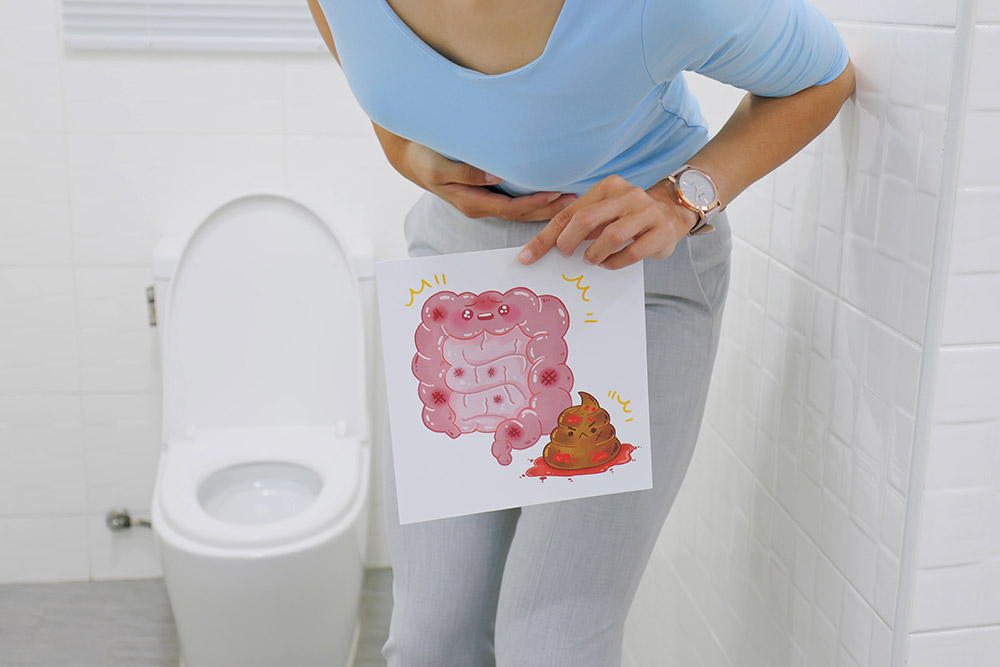








Rectal bleeding is the bleeding that is caused by the lower portion of your digestive tract. In or on your stool, you could have bright red blood or pink streaks on toilet papers or could have dark, tar-like stools. These are caused by minor problems such as hemorrhoids, and major problems.
Signs of rectal bleeding can include:
Several conditions can lead to bleeding from the rectum:
In Jersey Village at GastroDoxs, our patient-centered and board-certified doctors perform advanced diagnostics and integrates a patient-first approach to provide sophisticated solutions to digestive health. Since our first consideration is a case assessment and the table of individual treatment plans, we are completely devoted to offering effective treatment without causing harm to our patients, in order to receive long-term remedies and enhance their quality of life.
Left-hand ventral bleeding-do not delay your appointment and get high-quality interprofessional and caring treatment of the experienced team members of GastroDoxs.
We've successfully treated more than 9.5K patients, helping individuals improve their digestive health and overall well-being through expert, personalized care.
With over 20 years of experience, GastroDoxs has been a trusted provider of gastroenterology care, focusing on delivering the best outcomes for patients
Dr. Bharat Pothuri is a Board-Certified Gastroenterologist and Hepatologist. With extensive experience in digestive health, he specializes in advanced endoscopic procedures, chronic GI disorder management, and preventive care. Dr. Pothuri is dedicated to providing expert, patient-focused insights to help improve gut health and overall well-being.
K62.5 is the ICD-10 code that includes the bleeding in the anus or rectum.
The rectal bleeding may be caused by hemorrhoids, anal fissure, diverticulosis, inflammatory bowel disease (IBD), colon polyps or cancer, infections, and other lower digestive tract diseases.
Yes. Hemorrhoids may be caused by the increased pressure of the pelvic and rectal veins during pregnancy and may result in bleeding.
Hemorrhage during pregnancy is normally caused by the swelling of rectal veins (hemorrhoids) rather than the pregnancy itself. However, any form of bleeding should be examined by a medical practitioner.
Rectal bleeding is not usual during a menstrual period. If you experience bleeding during your period and it appears to come from the rectum, it is more likely due to hemorrhoids or other anorectal conditions rather than menstruation.
Diagnosis typically includes a medical history, a physical examination, and diagnostic procedures such as anoscopy, sigmoidoscopy, or colonoscopy to determine the cause of the bleeding.
Mild cases can be managed with increased dietary fiber, proper hydration, warm sitz baths, and over-the-counter creams or suppositories. However, all cases of bleeding should be evaluated by a doctor to rule out serious causes.
The term "bleeding rectal pregnancy" is a misconception. Most rectal bleeding during pregnancy is caused by hemorrhoids or anal fissures, not by the pregnancy itself.
Black or tarry stool (melena) typically indicates bleeding higher up in the gastrointestinal tract. This requires immediate medical attention to identify the source and prevent complications.
You should promptly consult a gastroenterologist if you experience rectal bleeding, pain or itching around the anus, or changes in bowel habits.