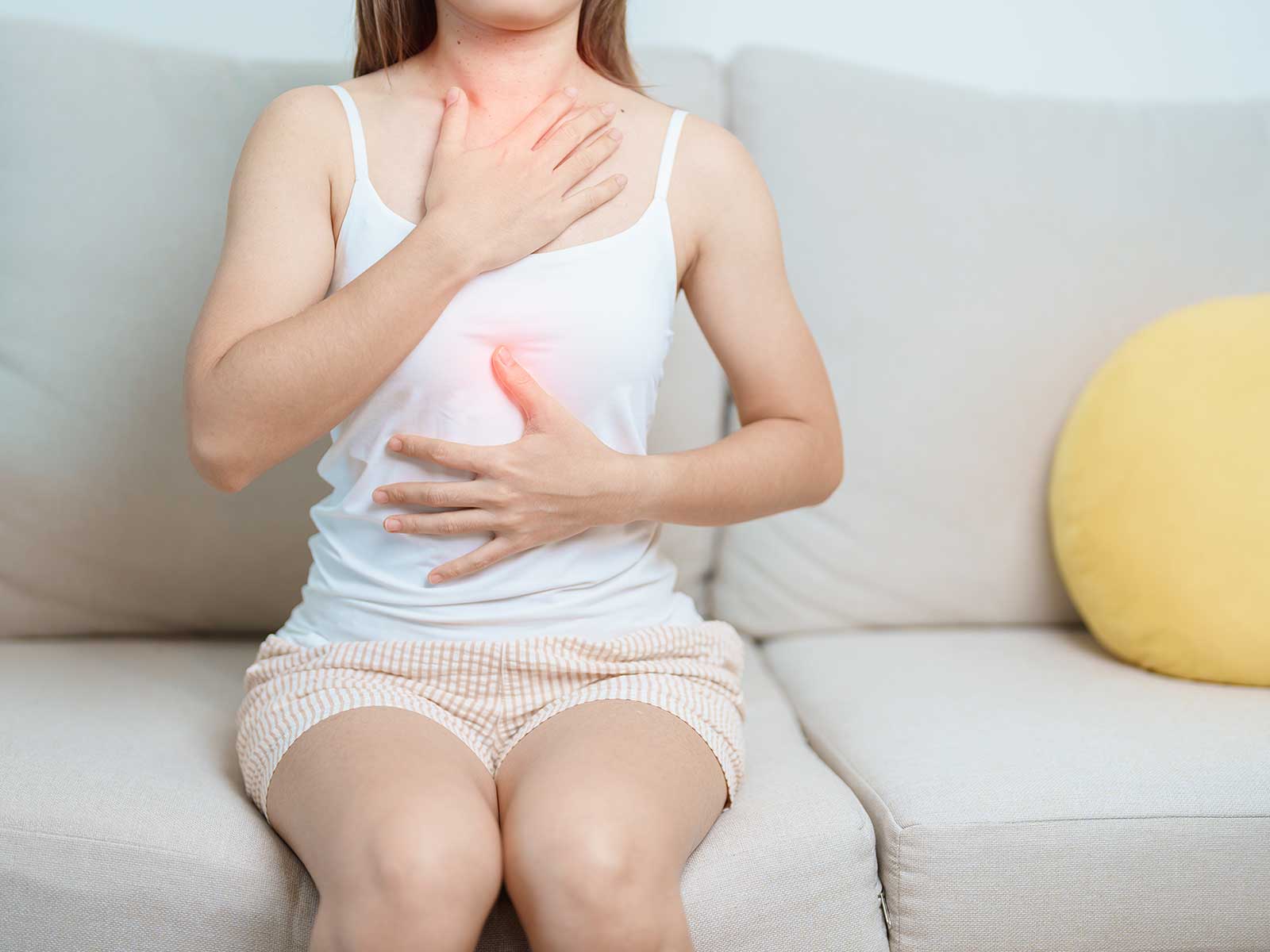








Epigastric pain is the pain felt in the upper-middle part of your abdomen, just below the ribs. It can affect both adults and children and may feel burning, gnawing, or sharp. Clinically, it is classified under ICD-10 code R10.13. Finding relief depends on identifying the exact cause, which may include reflux, inflammation, or other underlying problems.
Epigastric pain symptoms can differ in severity and triggers. You may experience:
Because the epigastric region covers multiple organs, many conditions can contribute to pain in this area:
GastroDoxs specializes in patient-centered care and evidence-based digestive health solutions, providing expert diagnostic services and effective treatment for epigastric pain and related disorders. In Jersey Village, our board-certified gastroenterologists use advanced endoscopy, imaging, and laboratory testing to identify the root cause of your discomfort. We then design comprehensive treatment plans—including lifestyle changes, dietary guidance, prescribed medications, and minimally invasive procedures—to deliver fast and lasting relief.
Schedule a visit today with our epigastric pain specialist near Jersey Village and take the first step toward a more comfortable, pain-free life.
We've successfully treated more than 8.8K patients, helping individuals improve their digestive health and overall well-being through expert, personalized care.
With over 20 years of experience, GastroDoxs has been a trusted provider of gastroenterology care, focusing on delivering the best outcomes for patients
Dr. Bharat Pothuri is a Board-Certified Gastroenterologist and Hepatologist. With extensive experience in digestive health, he specializes in advanced endoscopic procedures, chronic GI disorder management, and preventive care. Dr. Pothuri is dedicated to providing expert, patient-focused insights to help improve gut health and overall well-being.
The most frequent code is R10.13, which is used for pain located in the upper central belly.
The pain is felt in the middle of your upper abdomen, just beneath your ribs, and is known as epigastric pain. It can also occur slightly higher, lower, or on either side.
Conditions such as peptic ulcers or pancreatitis may cause discomfort in the upper abdomen that radiates to the back.
Yes. If epigastric pain is accompanied by significant weight loss, chronic vomiting, or blood in your stool, you should seek medical attention immediately.
Although heart-related causes are uncommon, frequent diagnoses include GERD (acid reflux), peptic ulcers, gallstones, functional dyspepsia (indigestion), pancreatitis, and occasionally heart conditions.
Treatment may involve safe antacids, light exercise, and dietary adjustments. Always consult both your obstetrician and gastroenterologist before taking any medication.
If your epigastric pain persists for more than two weeks, becomes progressively worse, or interferes with daily life, schedule an appointment with a gastroenterologist.
Yes. Stress can increase stomach acid production and muscle tension, both of which may worsen discomfort in the epigastric area.
Eating stimulates acid secretion and gastric motility, which can irritate inflamed tissues or ulcers in the stomach and upper intestine.
Most patients experience improvement within a few days of treatment, but the recovery period depends on the underlying condition and treatment plan.