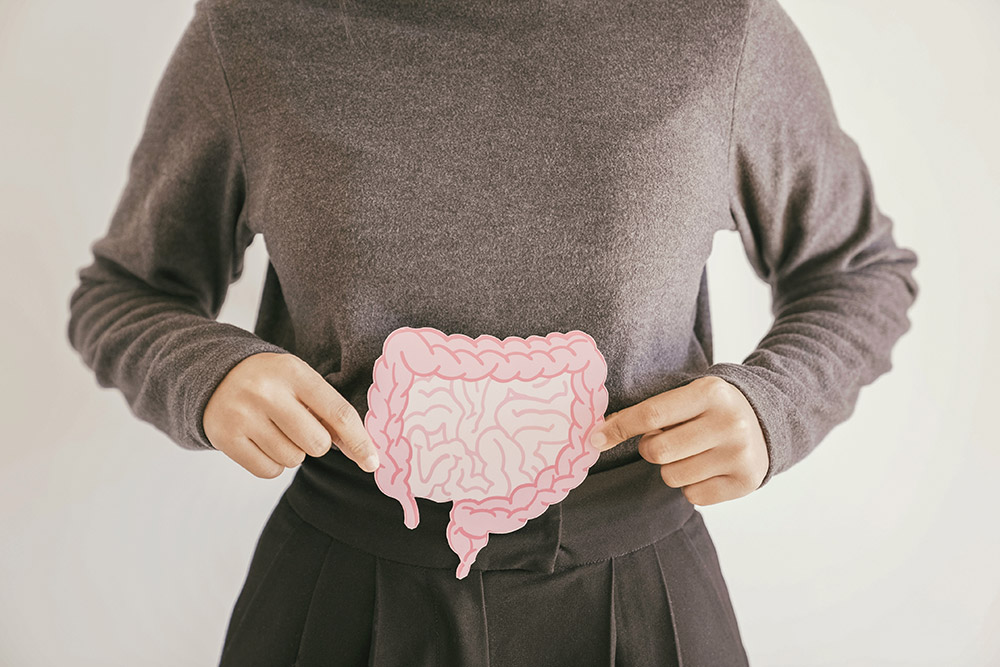








A colon polyp is a tiny bump or growth appearing on the inner lining of the large intestine (colon). Although majority of colon polyps are benign, some might progress into colon cancer with time as long as it is not identified and removed. The ICD-10 code used by physicians to describe an existing polyps is K63.5 and a history of polyps is Z87.19. Frequent colon exams are one of the methods that detect and eliminate polyps in their early stages.
Numerous colon polyps have no evident symptoms. Symptoms may be experienced when they present and you will have:
A number of factors pose the risk of colon polyp formation:
GastroDoxs in Jersey Village have the leading board-certified gastroenterologists, they specialise in the early detection and removal of colon polyps to prevent colorectal cancer. The use of high-definition colonoscopy, personalized risk evaluation and minimally invasive methods makes us to ensure that your procedure is not only as safe as possible but also as comfortable. Notice board: ready to defend your colon? Today you can call us at 832-476-1649 to make your appointment to have a screening colonoscopy or you can make a reservation online. Our committed staff will be there to ensure that you get through it.
We've successfully treated more than 48K patients, helping individuals improve their digestive health and overall well-being through expert, personalized care.
With over 20 years of experience, GastroDoxs has been a trusted provider of gastroenterology care, focusing on delivering the best outcomes for patients
Dr. Bharat Pothuri is a Board-Certified Gastroenterologist and Hepatologist. With extensive experience in digestive health, he specializes in advanced endoscopic procedures, chronic GI disorder management, and preventive care. Dr. Pothuri is dedicated to providing expert, patient-focused insights to help improve gut health and overall well-being.
The current colon polyps ICD-10 is K63.5. In case you already have the history of Z87.19, you have it due to having the history of removed polyps.
The majority of colon polyps can be detected to be benign, although other kinds, particularly larger or villous varieties, may develop into cancer with time, in the event that they are not treated.
The intervals between follow-up colonoscopies are normally every 3-5 years, depending on the count, size and the pathology of the polyps removed.
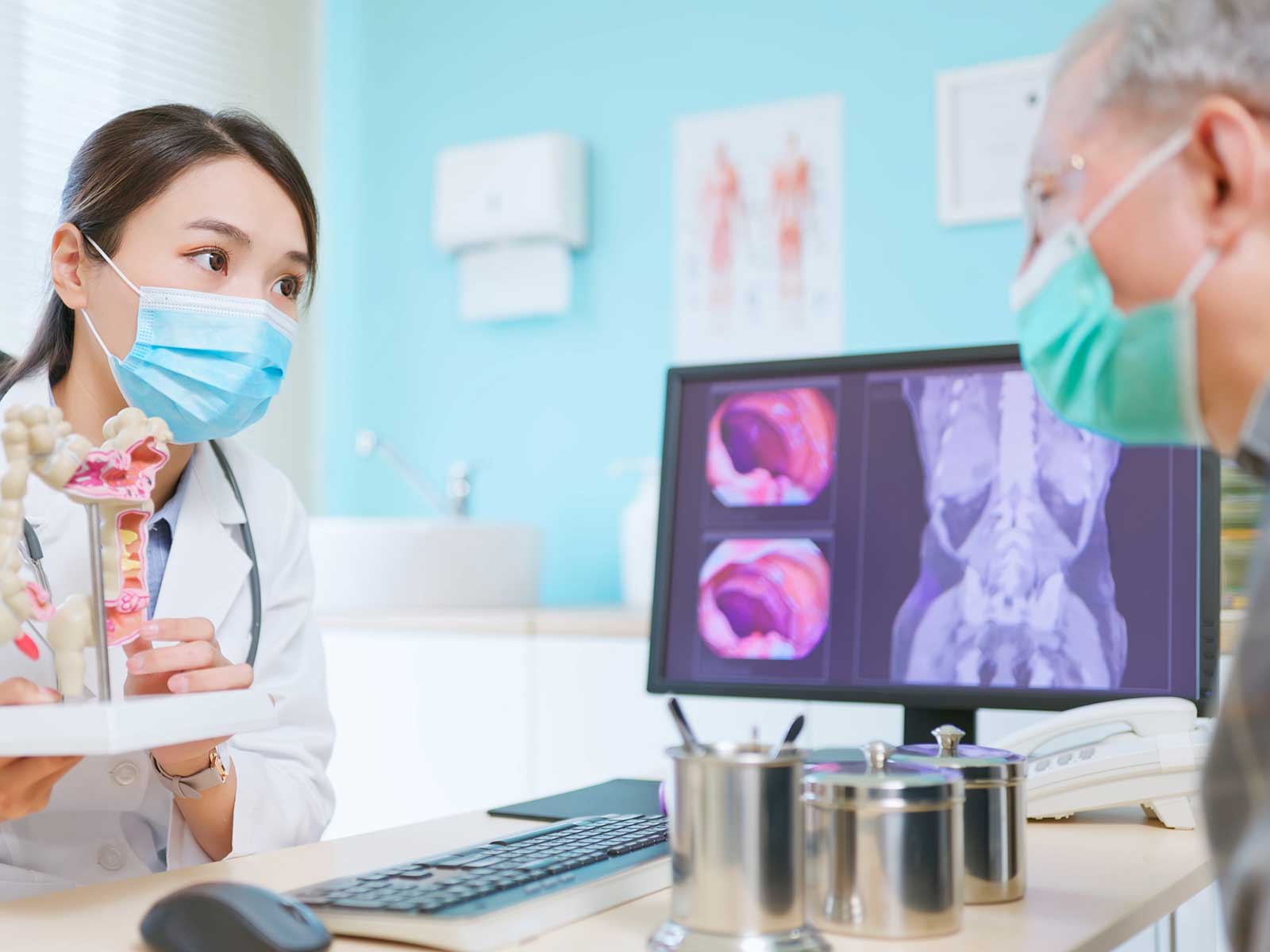
During your appointment with your gastroenterologist at GastroDoxs, you will receive high-definition images that will allow your doctor to illustrate findings and point you to your treatment.
Less than 1 percent of small polyps have cancer. The likelihood of the risk is elevated by the size of the polyps, villous characteristics, or high-grade dysplasia.
An increase in red meat and processed meat diets and a low amount of fibers shows a higher chance of having colon polyps.
Polypus is often asymptomatic. The warning signs include rectal bleeding, unusual loss of weight and continuous pain in the abdomen when they exist.
Some of the prevention strategies involve frequent screening, diet that is high in fruits, vegetables, and whole grains, good body weight, exercise, and avoiding tobacco and excess consumption of alcohol.
Yes. Through clear endoscopic pictures, your physician can be able to evaluate the size of the polyp, its morphology, and position and decide the safest and most appropriate way to remove the polyp.
The gastroenterologists and colon polyp experts of the board-certified GastroDoxs in Jersey Village offer services of elite screening, diagnosing, and removing.