1.9K Reviews    |    4.7 Star Rating    |    20+ years of experience    |    72k+ Patients Treated

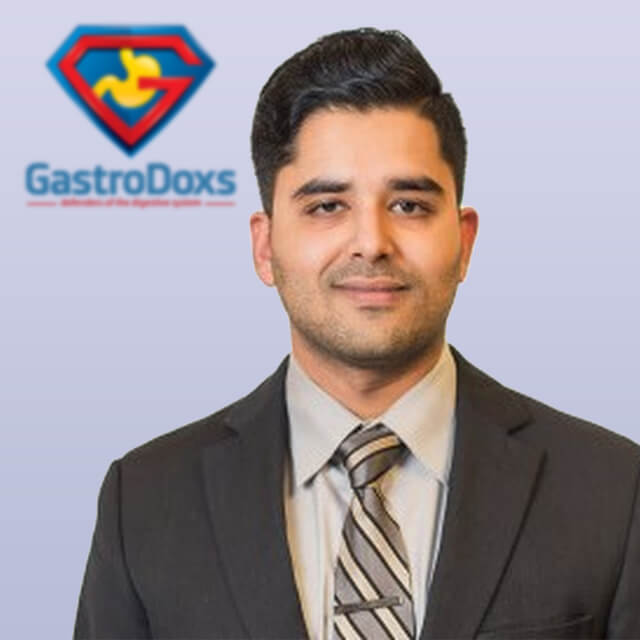
Nutritional Condition Specialist - Dr. Rishi Chadha

Dr. Rishi Chadha takes a leading role in the treatment of nutritional diseases at GastroDoxs in Houston that are associated with improper diet, disease, or surgical procedures. In case of close examinations and blood tests, or individual strategies, medications, and treatment, he guarantees that solutions are effective and your needs are met.

Call Us 832-632-4070 Schedule Now Click Here Text Us 832-632-4070 Learn More Click Here
Texas Medical Board
Harris County Medical Society
American College of Gastroenterology
American Society for Gastrointestinal Endoscopy
Memorial hermann
Houston Methodist leading Medicine
HCA Houston Healthcare
Rishi Chadha

About the Expert

Dr. Rishi Chadha, MD is a board‑certified gastroenterologist who specializes in preventive gastroenterology, colorectal cancer screening, and minimally invasive endoscopic procedures. He completed his fellowship at Sunrise Health GME in Las Vegas and previously trained in internal medicine at St. Vincent’s Medical Center in Connecticut.

What Are Nutritional Conditions?

Nutritional condition is a condition associated with your diet. It can occur upon over or under-intake of some nutrients by your body. Some issues develop slowly. Some other may come after surgery or sickness. Precisely with the appropriate attention, you may become healthier and improve your feelings.

What Causes Nutritional Problems?

  • Poor diet or skipping meals
  • Gestational conditions that prevent nutrient absorption.
  • Surgery (like gastric bypass)
  • The presence of long-term illness (liver or kidney disease)
  • Difficulty of obtaining healthy food.

Common Symptoms to Watch For

  • Loss or gain of weight without the purpose.
  • Feeling tired or weak
  • Hair loss or weak nails
  • Delayed recovery or coldness.
  • Bloating, diarrhea or constipation.

How Dr. Rishi Diagnoses Nutritional Condition?

Initial Consultation and Exam

To start with, Dr. Chadha will examine your medical and dietary history, lifestyle and any symptoms you are experiencing. This aids in the detection of the risk factors in advance.

Blood Tests

He requests extensive labs to test vitamin, mineral and protein levels, which reveal deficits or imbalances.

Scans and Endoscopy

  • Studies of imaging done to identify problems of the digestive tract that can affect the absorption of nutrients.
  • Endoscopy to visualize the stomach and intestines when malabsorption or structural problems are suspected.

Personalized Treatment Plan

When outcomes follow, Dr. Chadha maps out a specific program-correcting your eating, incorporating nutritional supplements, or prescribing easy interventions- to reinstate correct dieting and ensure a speedy healing process.

Dr. Rishi Chadha
Treatment

Treatment Options for Nutritional Conditions

1. Healthy Eating Tips and Lifestyle Changes

  • Take small meals at the day to facilitate digestion.
  • Emphasize lean proteins (fish, beans, chicken), and whole grains, and healthy fats (avocado, nuts).
  • Consume water in adequate amounts to aid in moving of the nutrients.
  • Supply of processed foods that are rich in sugar and empty calories should be avoided.
  • Visit to a registered nutritionist to plan meals individually.

2. Medications and Supplements

  • Vitamin B12 injections as an absorption or deficiency problem.
  • Iron supplements as oral pills to remedy iron-deficiency anemia.
  • Calcium and vitamin D supplements to make bones stronger and facilitate the metabolism.
  • Frequent laboratory surveillance to raise and lower doses and eliminate side effects.

3. Advanced Care When Needed

  • Endoscopy The scope that is used to access the stomach or intestines to investigate malabsorption; is a minimally invasive test.
  • Balloon dilation - this is to decrease the constriction of segments of the GI tract that obstruct nutrient passage.
  • Surgeries are performed under minor sedation and the majority of patients may leave in the same day.
Rishi Chadha

About the Author

Dr. Rishi Chadha, MD is a board‑certified gastroenterologist who specializes in preventive gastroenterology, colorectal cancer screening, and minimally invasive endoscopic procedures. He completed his fellowship at Sunrise Health GME in Las Vegas and previously trained in internal medicine at St. Vincent’s Medical Center in Connecticut.

Frequently Asked Questions

What problems come from poor nutrition?

Such typical ones are weak bones, poor immunity, and anemia.

What's an easy condition to fix with food?

The anemia is commonly iron-deficit and can be cured with iron pills and diet.

When will I feel better?

It increases the energy level of many people within 2-4 weeks.

Can I avoid these issues after surgery?

Yes. They are prevented through early planning and blood tests.

Will I need blood work?

Yes. It values the levels of vitamin, mineral and protein.

Is an endoscopy painful?

No. The majority experience a slight discomfort status and head home immediately.

Will I need long-term supplements?

Some do. Dr. Chadha fiddles with your plan.

Can diet changes really help?

Yes. Majority of the mild cases respond to improved food habits.

Can kids have nutrition problems too?

Yes. Typical problems are those of iron or deficiency of vitamin D.

Where can I read more?

Get the useful information at the NIH Nutrition Disorders page.

Related Blogs
Abdominal Pain

Healthy Habits That Protect Your Gut

Read More
Abdominal Pain

5 Common Foods that Can Cause Constipation

Read More
Abdominal Pain

I Feel Like Food Is Stuck in My Throat: Is It Dysphagia?

Read More