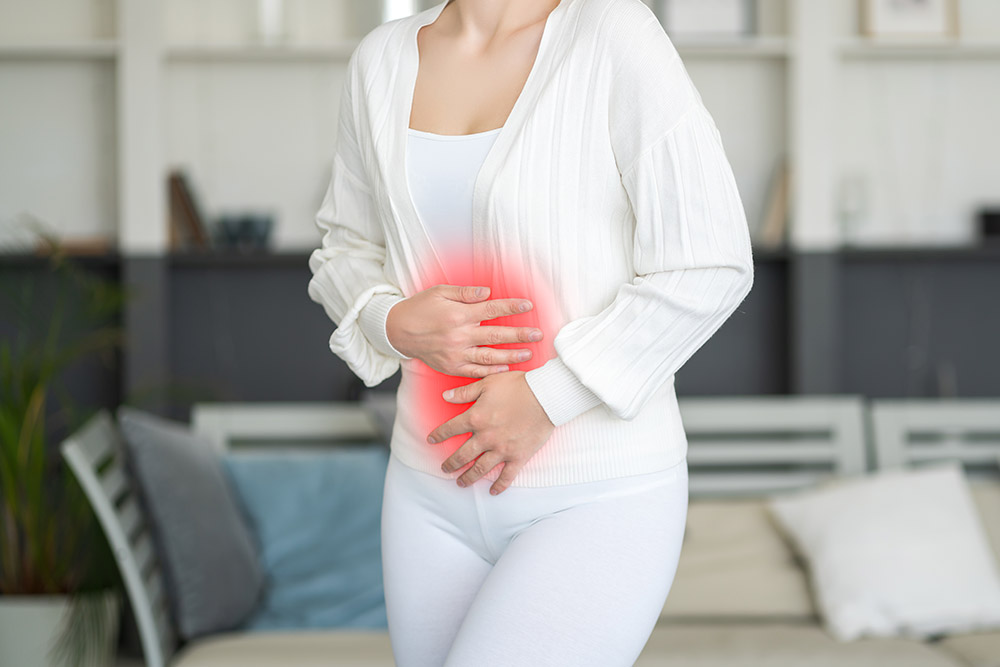
What Is Flatulence?
The giving out of gases is known as flatulence. It is simply a normal digestive procedure, and most of the population has a usual gas output of up to 10-20 times in a day. However, in cases where the gas is painful, smells very often or/and strong, then it may be a sign that it is a symptom of some underlying problem and has to be intervened.
Common Causes and Risk Factors
- Foods rich in gas e.g. beans, onions, broccoli.
- Carbonated or fizzy drinks
- Gulp of air when eating, drinking or talking.
- Food (lactose or gluten intolerance) allergies.
- IBS (Irritable Bowel Syndrome) or SIBO (Small Intestinal Bacterial Overgrowth).
- Certain medications or dietary products.
- The risk factors: eating fast, smoking, high rate of stress.
Signs and Symptoms
- It is frequently swollen up or like there is some pressure in the stomach.
- Sharp or persistent gas explosions.
- Pain on the trapped gas in the abdomen or the back.
- Foul-smelling flatulence
- In the chest, or in the upper stomach, pains, producing, as it were, the intelligibility of heartburn.
How Dr. Rishi Diagnoses Flatulence
1. Comprehensive History & Physical Exam
In general, Dr. Chadha begins with the examination of your eating habits, your symptoms (bloating, pain, odor), and your medical history in general. A comprehensive abdominal examination is an examination that is performed to examine distension, tenderness and bowel abnormalities.
2. Breath Testing
Lactose intolerance and Small Intestinal Bacterial Overgrowth (SIBO) that are common causes of excess gas are diagnosed through the breath tests of hydrogen and methane.
3. Stool Analysis
The analysis of the stool helps to avoid infection, malabsorption issues and signs of inflammation which can lead to flatulence.
4. Imaging & Endoscopy
- Abdominal ultrasound- CT that rules out structural abnormality.
- Endoscopic evaluation (upper endoscopy or colonoscopy) when needed to investigate the GI tract itself and eliminate other diagnoses.
Frequently Asked Questions
What foods cause gas?
Beans, cabbage, onions, broccoli and fizzy drinks like soda can be the cause of excess gas.
Why does gas smell bad?
This odor is due to the gases of sulfur which are there as the result of the decomposition of certain foods by the bacteria of the gut.
Can gas cause chest pain?
Yes. The gas which is available in the upper digestive system may press against the chest and may appear as a heartburn or chest soreness.
Is gas linked to back pain?
Yes. The back pain may result due to abdominal gas bloating and pressure.
This is whether probiotics will be effective in odorous gas.
Yes. The positive probiotic strains would assist in balancing of the intestinal bacteria and would also aid in reduction of obnoxious flatulence.
When should I worry about gas?
It is recommended to see a doctor in case of chronic pain, loss of weight without any obvious causes, bleeding in the stool or extremely strong smells.
How is intolerance to food tested?
Dr. Chadha uses the tests of the breath (e.g., lactose test or SIBO) and recommended the food elimination diaries to define the triggers.
Are gas relief pills safe?
Yes. There are usually no contraindications with such over-the-counter drugs as simethicone and lactase supplements, but before taking them, it is preferable to consult your doctor.
Can stress make gas worse?
Yes. The stress intensity can also disrupt the digestion because it can increase the gas production and worsen the symptoms.
How many visits do you want to make to Dr. Chadha?
You may schedule a flatulence appointment on the GastroDoxs site or patient portal on the time that you find convenient.