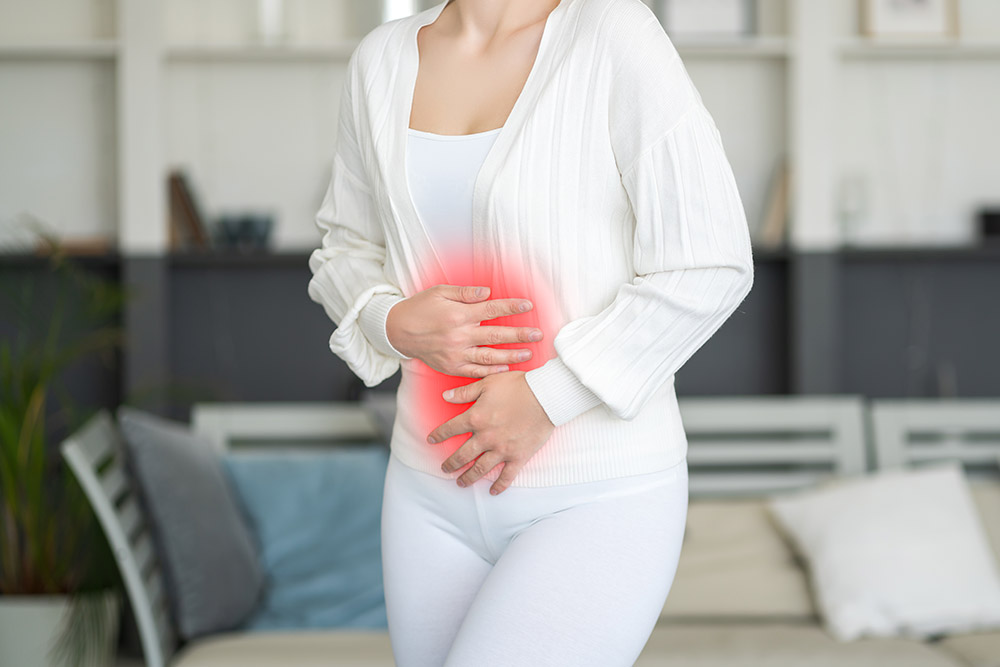
What Is Duodenitis Without Bleeding?
Duodenitis is the inflammation or irritation of duodenum (first part of small intestine) or the lack of bleeding. It can bring about abdominal pains to the upper part but when the condition is detected early and properly and with simple treatments of curative diet, medication and elimination of the causes most of them will be out of the dilemma in a short time.
Common Causes and Risk Factors
- H. pylori infection — a bacterium that erodes the protective lining of the digestive tract.
- Frequent use of NSAIDs such as ibuprofen, aspirin, or naproxen.
- Excess stomach acid production caused by GERD or other acid-related conditions.
- Smoking and alcohol consumption, both of which damage intestinal lining and slow healing.
- Stress or autoimmune conditions that can trigger or worsen inflammation.
Signs and Symptoms
- Burning or aching pain in the upper abdomen.
- Feeling of fullness or discomfort after meals.
- Abdominal bloating, nausea, or occasional vomiting.
- Loss of appetite.
- Occasional heartburn.
- Increased hunger or discomfort when the stomach is empty.
How Dr. Rishi Diagnoses Duodenitis Without Bleeding?
Dr. Rishi uses a step-by-step approach:
Medical History and Physical Exam
He examines your symptoms (suffering, swelling, nausea), history of taking medication (NSAIDs, aspirin) lifestyles (smoking, alcohol) etc.
Lab Testing
Helicobacter pylori infection is established through the sputum or fecal tests.
Endoscopy
Flexible, skin-thin camera peep inside your small intestine (duodenum); samples of tissues (biopsies) are procured (minutive) in order to determine the appearance of inflammation and disrule ulcers.
Imaging (if needed)
- Abdominal x-ray to rule out structural issues.
- The CT scan should be done to see the details unless otherwise.