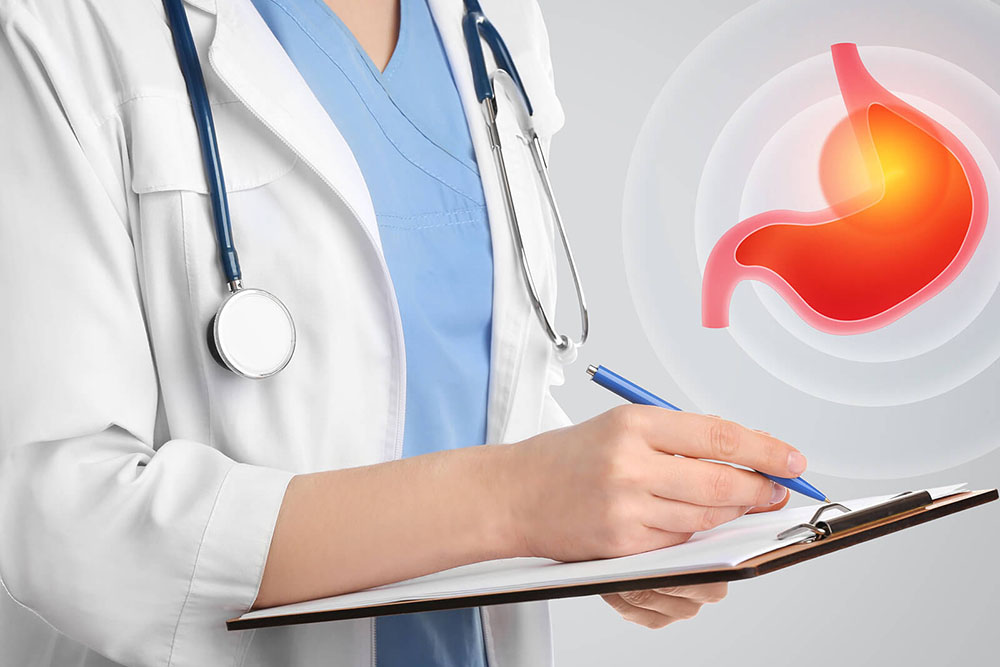








Gastric varices Gastric varices are enlarged veins in the stomach wall, which occur due to the increased pressure in the portal venous system when blood flow along the liver is blocked. These inflated vessels may burst through causing fatal bleeding.
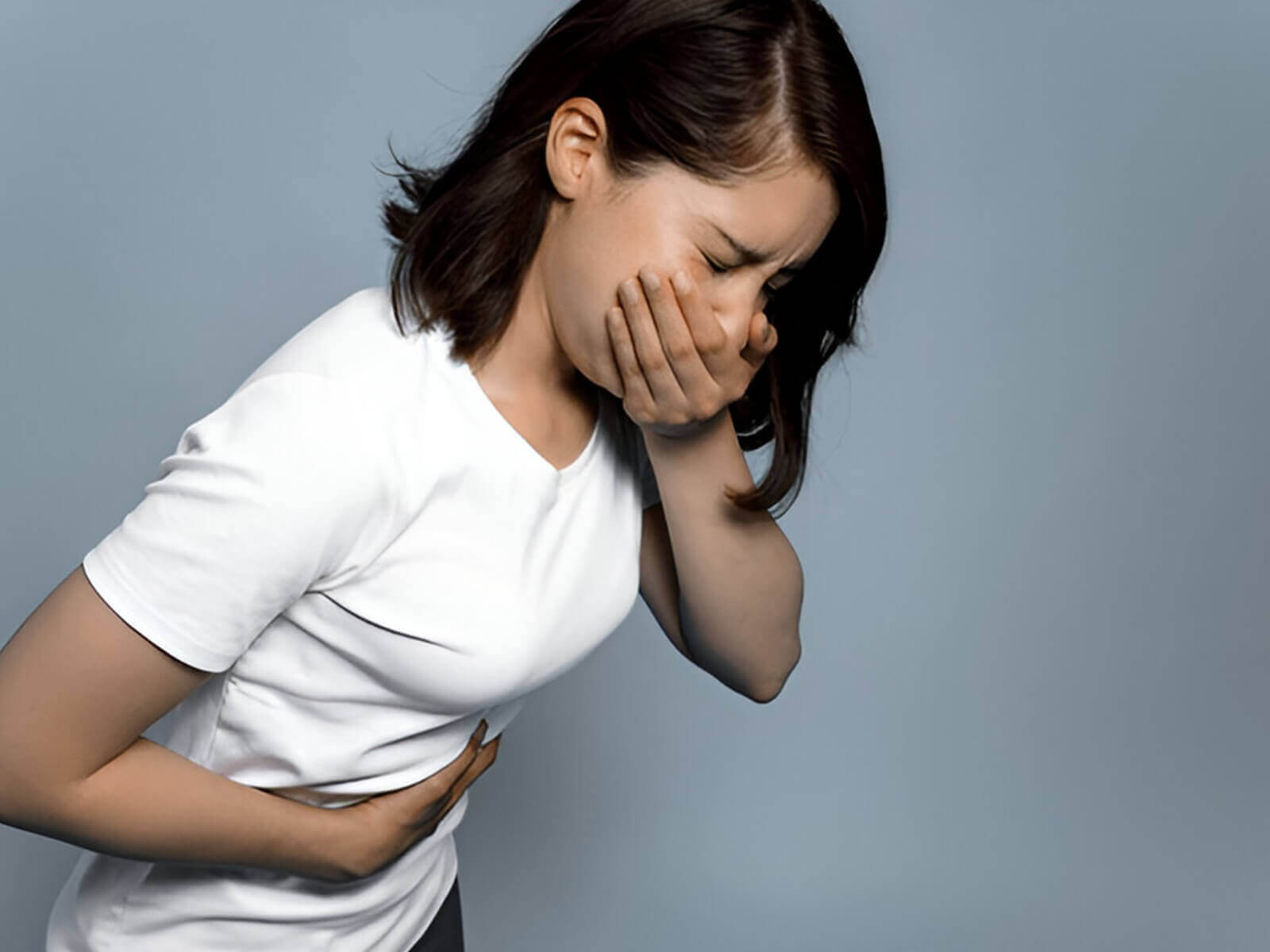
Varices do not usually give any signs of bleeding until they burst. When you cover with blood, you can have:
Gastric varices are formed due to obstructions or hindrances to normal blood flows in the liver which results in a rise of pressure in the surrounding veins. Common causes include:
Gastric varices require immediate and expert treatment-and at GastroDoxs in Cypress you can be in professional care. Our team has the following services which are same-day appointments, endoscopy state of the art, imaging and lab facilities, and personalized treatment plans that include beta-blockers and vasoactive drugs, endoscopic therapeutic plans, TIPS surgeries, and surgical plans. To ensure your safety and to keep you informed throughout the procedure, we offer quick and transparent communication as well as subsequent caring follow-up. Index the behaviour You should not wait when your digestive state gets out of shape, but keep your appointment the moment you book it and manage the condition at hand.
We've successfully treated more than 1K patients, helping individuals improve their digestive health and overall well-being through expert, personalized care.
With over 20 years of experience, GastroDoxs has been a trusted provider of gastroenterology care, focusing on delivering the best outcomes for patients
Dr. Bharat Pothuri is a board-certified expert in Gastroenterology and Hepatology with extensive training and expertise in both digestive health and liver diseases.
He is deeply committed to providing personalized care, focusing on understanding each patient’s unique needs. His approach combines advanced diagnostic techniques with tailored treatment plans to ensure the best possible outcomes. Patients appreciate his compassionate care and thorough approach, and many express high satisfaction with the improvements they experience in their digestive and liver health under his expert guidance.
Gastric varices are enlarged veins in the stomach and esophageal varices are present in the lower esophagus. Both are as a result of portal hypertension but have different location, treatment and risk of bleeding.
ICD10 K76.6 is the code of active bleeding through gastric varices. Check requirements with your insurance company on coding and coverage always.
To lower portal pressure, the non-selective beta-blockers (such as propranol or nadol) can be used, and vasoactive drugs such as octreotide are used to manage the frequency of the acute bleeding.
In case you are vomiting blood, discover black or tar-coloured stool, feel dizzy or mild-headed, or have any gastrointestinal bleeding symptoms, consult the specialists as soon as possible.
Yes. Gastric varices that bleed may be a matter of life and death. This requires a very fast diagnosis and treatment to avoid excessive loss of blood and complications.
Although liver disease can be progressed by an underlying liver disease, medications, endoscopic therapy, and TIPS can manage bleeding and greatly decrease the risk in future.
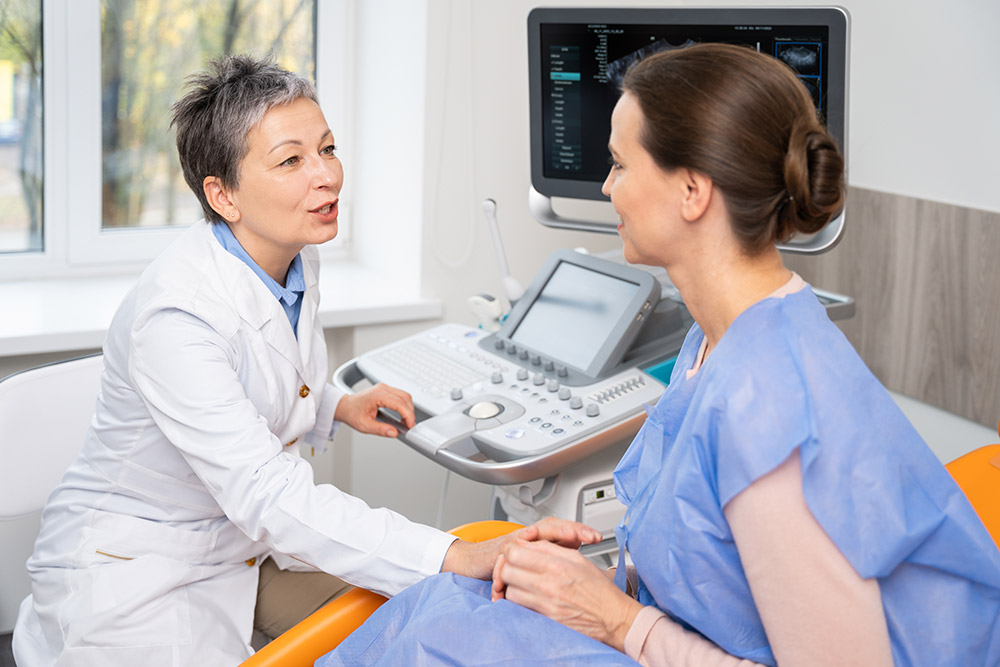
Diagnosis is generally accompanied by the use of upper endoscopy in order to see the varices. Portal/Splenic vein pressures and anatomy can be examined using imaging procedures such as Doppler ultrasound or CT scan.
Yes. The prevention of alcohol, a low sodium diet, proper weight and sticking to the advice of your doctor will help preserve your liver and lower your portal pressure.
Follow-ups are usually advised after 6-12 months or more regularly in case you have advanced liver disease or blood may have been experienced.
The pregnancy may augment the quantity of blood and the alleviation of hormones leading to the risk of bleeding. A specialist should closely observe pregnant patients with varices during the gestation period.