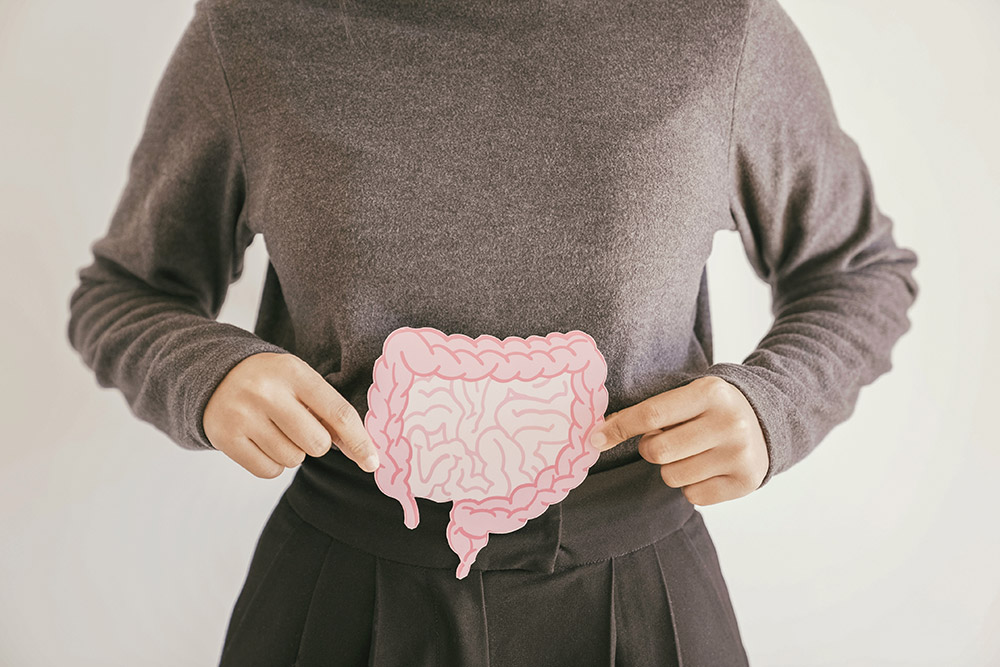








Colon polyp represents a small formation that occurs on the inner wall of the large intestine. Most of the polyps are harmless (non-cancerous) but certain polyps can cause colorectal cancer after over considerable period of time in the event that they are not excised in the instance of adenomatous polyps. The option of colonoscopy diagnosis and excising the said growths at a young age is selected.
The colon polyps have many dormant symptoms. The symptoms that can be experienced include:
Polyps do not necessarily find it very easy to know how to make it but it has its risk factors:
At GastroDoxs in Houston, our gastroenterologists specialize in early intervention and colon polyp removal through minimally invasive procedures. We approach each screening with care and respect, providing on-site testing and consistent follow-up. Our team ensures accurate ICD-10 documentation, seamless data exchange, and personalized patient management. Call our professionals today to take control of your colon health and experience lasting relief.
We've successfully treated more than 48K patients, helping individuals improve their digestive health and overall well-being through expert, personalized care.
With over 20 years of experience, GastroDoxs has been a trusted provider of gastroenterology care, focusing on delivering the best outcomes for patients
Dr. Bharat Pothuri is a board-certified expert in Gastroenterology and Hepatology with extensive training and expertise in both digestive health and liver diseases.
He is deeply committed to providing personalized care, focusing on understanding each patient’s unique needs. His approach combines advanced diagnostic techniques with tailored treatment plans to ensure the best possible outcomes. Patients appreciate his compassionate care and thorough approach, and many express high satisfaction with the improvements they experience in their digestive and liver health under his expert guidance.
Colon polyps are benign growths that form on the inner lining of the large intestine due to the overgrowth of extra cells. Some common causes include aging (especially after 50), family history of colon cancer or polyps, diets low in fiber and high in fat, chronic inflammation, smoking, and inherited conditions like familial adenomatous polyposis (FAP) or Lynch syndrome.
You can reduce your risk by eating a diet rich in fiber—fruits, vegetables, and whole grains—while limiting red and processed meats. Regular physical activity, maintaining a healthy weight, avoiding smoking, and limiting alcohol intake are also essential. Routine colonoscopy screenings help detect and remove polyps early before they develop into cancer.
Diets high in red or processed meats (like bacon or sausage), fried foods, processed snacks, and added sugars may increase the risk of colon polyps. Instead, focus on fiber-rich foods such as leafy greens, fruits, and antioxidant-rich vegetables to promote colon health.
The ICD-10 code for colon polyps is K63.5. This code is used by healthcare providers and insurance companies to record, bill, and track procedures related to the diagnosis and treatment of colon polyps.
No, most colon polyps are benign. However, certain types—especially adenomatous polyps—can become cancerous over time if left untreated. That’s why regular removal and follow-up checkups are important.
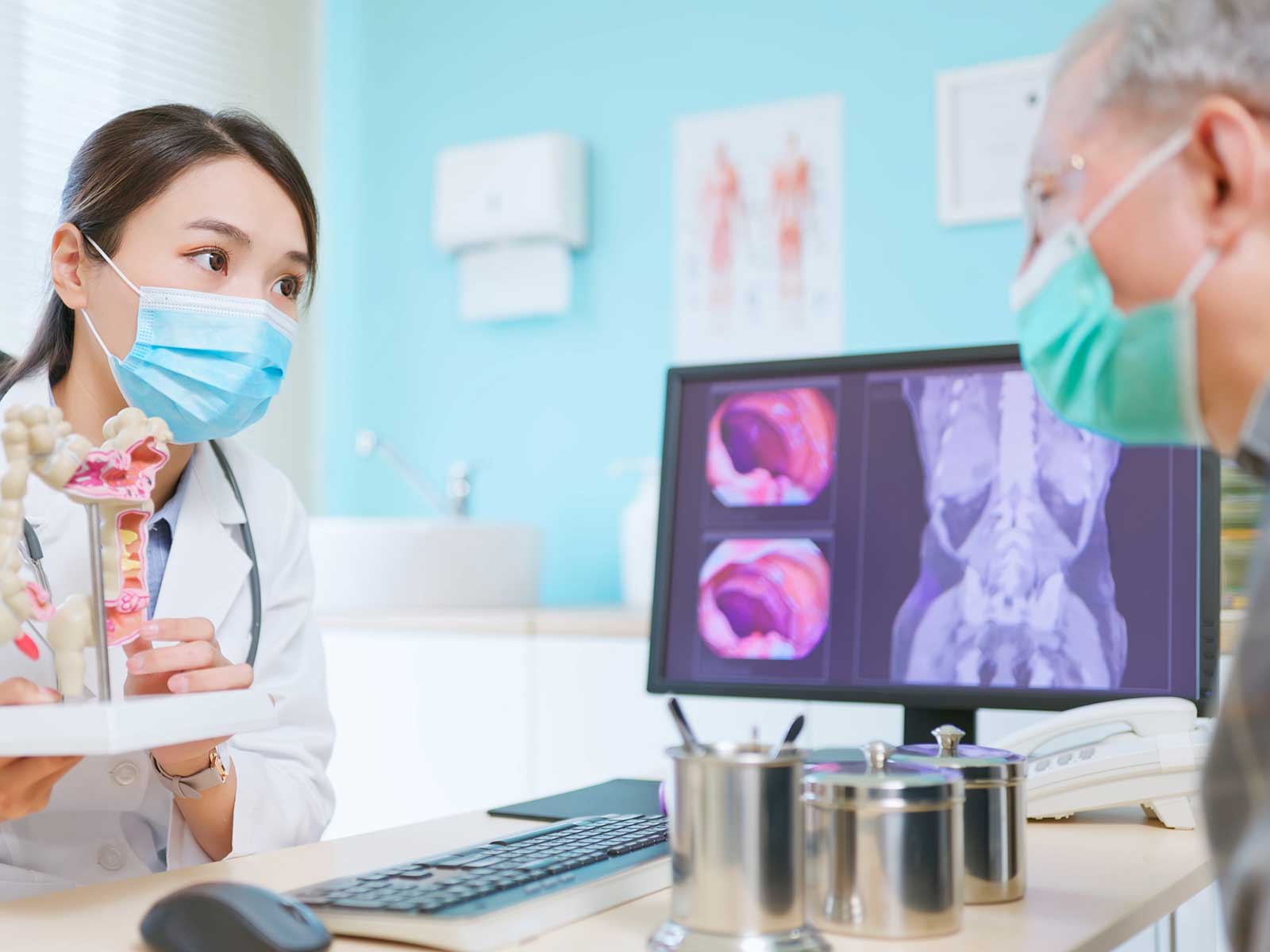
Yes. During your colonoscopy, your gastroenterologist can show you real-time images of any detected polyps. Clinics often provide visual references and diagrams to help you understand the size, shape, and appearance of the polyps found.
Colon polyps are classified by size: diminutive (less than 5 mm), small (6–9 mm), and large (10 mm or more). Larger polyps are more concerning since they may contain precancerous or cancerous cells. Size helps your doctor determine removal methods and follow-up intervals.
Routine screening generally starts between ages 45 and 50 for those at average risk. Individuals with a family history of colon cancer, prior polyps, or gastrointestinal conditions may need earlier and more frequent screenings.
The follow-up interval depends on the number, size, and pathology of the removed polyps. Your gastroenterologist will set the appropriate schedule—most patients require repeat colonoscopies every 3 to 5 years.
Yes. Most polyps are removed endoscopically during colonoscopy using techniques like polypectomy or endoscopic mucosal resection. Surgery is reserved only for very large, inaccessible, or cancerous polyps that cannot be safely removed endoscopically.