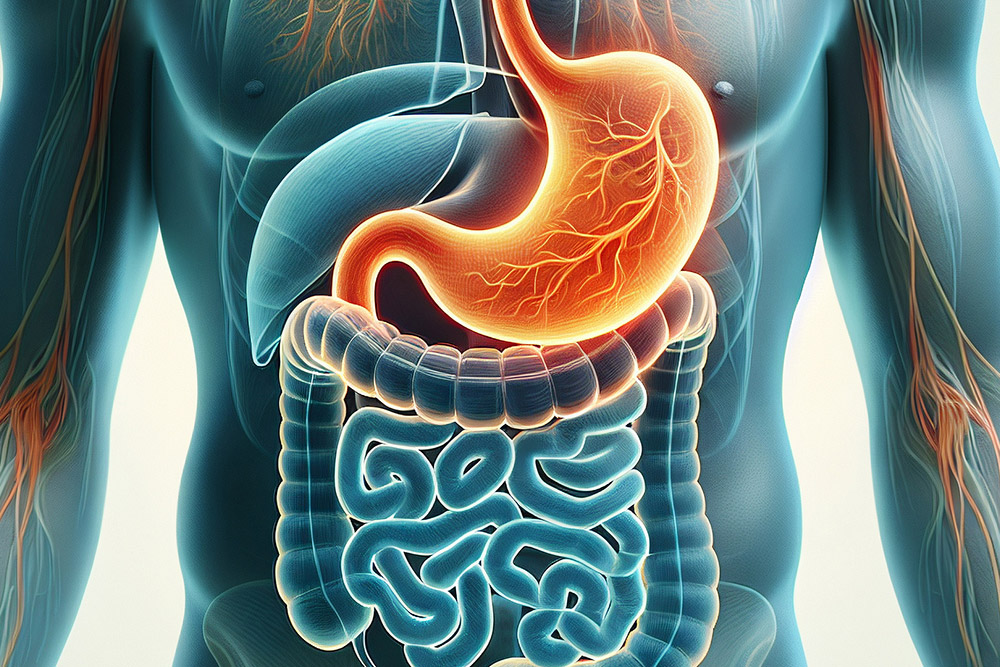








Autoimmune hepatitis is the disease of the liver that is irreversible and is characterized by an explanation of the work of the immune system against innocent liver cells. This is an inflammatory response of the immune system that may result in pain, scarring, and even irreparable liver damage ordinarily.
Symptoms often develop slowly, though some people may experience a sudden flare-up. Common signs include:
The exact trigger for autoimmune hepatitis is unknown, but several factors can contribute:
Wait no longer to have charge of your liver. The members of the team of board-certified specialists in autoimmune hepatitis at GastroDoxs in Cypress are prepared to offer personalized and compassionate care to patients not only at the initial diagnosis stage but also throughout the entire process of management. You can now reserve your consultation by calling us at 832-632-4070 or book online now to reserve your consultation. Let's work together to protect your liver and improve your quality of life.
We've successfully treated more than 1.5K patients, helping individuals improve their digestive health and overall well-being through expert, personalized care.
With over 20 years of experience, GastroDoxs has been a trusted provider of gastroenterology care, focusing on delivering the best outcomes for patients
Dr. Bharat Pothuri is a board-certified expert in Gastroenterology and Hepatology with extensive training and expertise in both digestive health and liver diseases.
He is deeply committed to providing personalized care, focusing on understanding each patient’s unique needs. His approach combines advanced diagnostic techniques with tailored treatment plans to ensure the best possible outcomes. Patients appreciate his compassionate care and thorough approach, and many express high satisfaction with the improvements they experience in their digestive and liver health under his expert guidance.
Autoimmune hepatitis is diagnosed using a combination of blood tests to evaluate liver enzymes and detect autoantibodies, imaging tests to assess liver condition, and often a liver biopsy to confirm inflammation and rule out other conditions.
No, autoimmune hepatitis is not contagious. It is an autoimmune condition and cannot be passed from person to person.
The exact cause is not fully understood, but it is believed to result from a combination of genetic predisposition and environmental triggers such as viral infections, medications, or hormonal changes.
Yes. In addition to standard corticosteroids and immunosuppressants, ongoing clinical trials are testing new immune-modulating therapies that may offer additional treatment options in the future.
The standard treatment includes corticosteroids like prednisone to reduce liver inflammation and immunosuppressants like azathioprine to control immune system activity. Treatment plans are tailored to individual patient needs.
With early diagnosis and proper treatment, many patients can live long, healthy lives. Without treatment, the disease may progress to liver damage or cirrhosis.
At GastroDoxs Cypress, our team includes board-certified gastroenterologists and hepatologists experienced in autoimmune liver disease. You can schedule an appointment by phone or online.
Stress does not directly cause autoimmune hepatitis but may worsen symptoms. Managing stress through exercise, mindfulness, or therapy can improve overall health and symptom control.
Liver function tests are typically recommended every 3–6 months or as advised by your healthcare provider to monitor disease activity and adjust treatment as necessary.
Helpful lifestyle changes include avoiding alcohol entirely, following a balanced low-fat diet, engaging in regular physical activity, and maintaining consistent follow-up visits and lab tests with your healthcare provider.