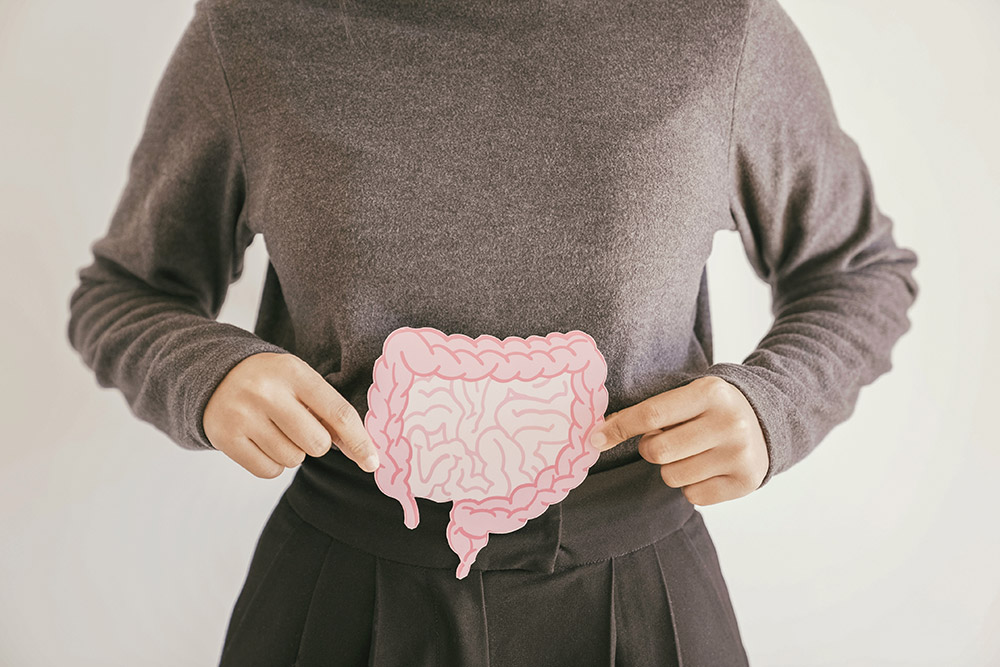








Colon polyp is a tiny growth which develops on the interior wall of the large intestine. A majority of the polyps are benign (non-cancerous) but some polyps may lead to colorectal cancer upon progressive time in the case that they are not removed in the case of adenomatous polyps. Colonoscopy is the choice of diagnosing and excising these growths at young age.
There are numerous inactive symptoms in the colon polyps. The symptoms that may experience are:
Polyps do not always have a very easy way to know how to make it but there are some risk factors:
Our gastroenterologists are in Houston at GastroDoxs and they offer a unique early intervention and polyp removal of the colon in the most minimized operation. It is with care and respect that we provide individualized screening education, on-site testing and care, clear ICD-10 exchange of data and care-follow up. Manage your colon today by making an appointment with your professional and be relieved.
We've successfully treated more than 48K patients, helping individuals improve their digestive health and overall well-being through expert, personalized care.
With over 20 years of experience, GastroDoxs has been a trusted provider of gastroenterology care, focusing on delivering the best outcomes for patients
Dr. Bharat Pothuri is a Board-Certified Gastroenterologist and Hepatologist. With extensive experience in digestive health, he specializes in advanced endoscopic procedures, chronic GI disorder management, and preventive care. Dr. Pothuri is dedicated to providing expert, patient-focused insights to help improve gut health and overall well-being.
Colon polyps are benign tumors that develop in the inner lining of the large intestine as a result of the increase in the number of additional cells. Aging (particularly after 50 years), a family history of colon cancer or polyps, unhealthy food choices characterized by low fibers and high fat content, persistent inflammation, cigarette smoking, and excessive alcohol consumption, familial adenomatous polyposis (FAP) or Lynch syndrome are some of its causes.
My risk reduction plan will entail consuming a diet rich in fiber (fruits, vegetables and whole grains), consuming a low amount of red meat and processed meat, engaging in physical exercises, maintaining normal body weight, various other factors such as giving up smoking and limiting alcohol consumption. Screening of the colonoscopy on a regular basis should be done with the goal of detecting and removing the polyps before they develop into cancers.
An increased risk factor in the occurrence of colon polyps has been attributed to diet high in red meat, processed meat (bacon, sausage), fried and processed foods and added sugar. On the other hand, polp can also be prevented by consumption of large quantities of fiber and leafy greens and antioxidants.
The ICD-10 code of colon polyp is K63.5. This code is utilized by insurance companies and health staff in recording, billing and tracking procedures of the diagnosis of patients.
Not all the colon polyps are cancerous, most are benign. Nonetheless, some forms-particularly, adenomatous polyps- can develop into forms of cancer when that identical form stays in the same location during the years and thus the necessity to have it excised and the regular examinations.
Yes. Being one of your colonoscopy, your gastroenterologist will be in the position to provide you with real-time shots of any polyps that he will observe. Clinics are not short whereby you are given diagrams and pictures in such a way that you may be aware of the size, shape and appearance of the polyps.
Polyps are classified in accordance to the diameter-minutive ( <5 mm), small (6-9 mm) and large (≥10 mm) colon polyp size chart. Big polyps are more dangerous as they could have precancerous or cancerous cells, which educates the doctors on the way to eliminate it, and time limitation that limits the follow-up.
When one is between 45-50, then the screening average-risk would usually start. Perhaps, there should be earlier onset and more frequent examinations in the case of such risk factors as family history of colon cancer, personal history of polyps, or some gastrointestinal diseases among others.
The intervals of follow up colonoscopy vary with the quantity, size and pathology of the removed polyps. Patients revert mostly in 3-5 years, yet it will be developed by your gastroenterologist depending on your risk factors and results.
The endoscopic excision of most of the colon polyps is made during an annual colonoscopy either with polypectomy or endoscopic mucosal resection. Presence of very large or inaccessible or cancerous polyp which cannot be safely removed by endoscopy is the reason to undertake surgery.