
Preventive Steps for a Healthier Gallbladder
Nutrition, suitable activity, and avoiding unnecessary rapid weight loss can support gallbladder health and may reduce some gallstone risks. These measures do not guarantee prevention or replace treatment of symptomatic stones or blocked bile flow.
Key Takeaways
- Nutrition, suitable activity, and avoiding unnecessary rapid weight loss can support gallbladder health and may reduce some gallstone risks.
- When intentional loss is appropriate, avoid crash-diet promises and discuss a suitable pace.
- Avoid assuming that all fat must be removed; food choices should fit symptoms and nutritional needs.
- Use sustainable meals and activity that protect energy, protein, and micronutrient needs.
- Persistent or severe upper-abdominal pain, fever or chills, jaundice, repeated vomiting, or dark urine with pale stool needs prompt care. Call 911 for confusion, collapse, or severe instability, especially with signs of infection.
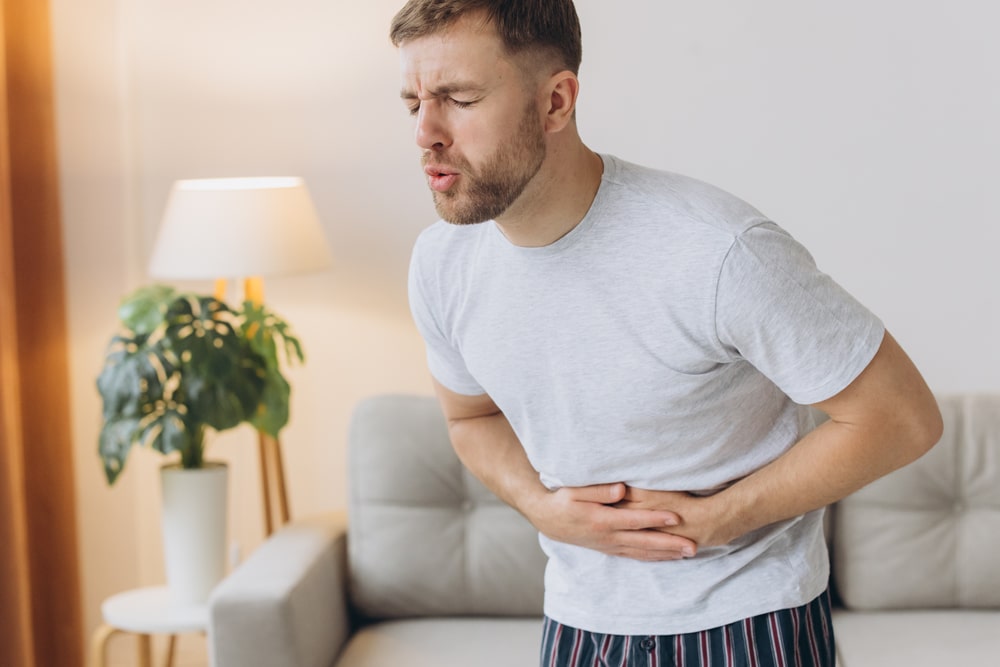

Support gallbladder health through sustainable habits and appropriate symptom review
Risk reflects several factors, including genetics, metabolic health, and conditions affecting bile composition or gallbladder emptying. A useful prevention discussion focuses on modifiable habits without blaming people for stones or suggesting that one food caused the disease.
Use the gallstones and biliary health overview alongside your symptom history. Nutrition, suitable activity, and avoiding unnecessary rapid weight loss can support gallbladder health and may reduce some gallstone risks. These measures do not guarantee prevention or replace treatment of symptomatic stones or blocked bile flow.
8 points to put the symptoms in context
Choose gradual weight goals
When intentional loss is appropriate, avoid crash-diet promises and discuss a suitable pace.
Review rapid-loss treatments
Very-low-calorie programs and bariatric procedures can change gallstone risk and may need preventive planning.
Eat a balanced pattern
Suitable fruit, vegetables, whole grains, and other fiber sources can fit an adequate diet.
Keep fats appropriate
Avoid assuming that all fat must be removed; food choices should fit symptoms and nutritional needs.
Stay suitably active
Activity can support metabolic health and should match ability and medical circumstances.
Avoid repeated weight cycling
Discuss maintenance support rather than repeated extreme losses and regain.
Reject gallbladder flushes
Oil-based or herbal cleanses are not reliable treatments for gallstones and can delay care.
Know the limits
Healthy habits cannot dissolve every stone, prevent every attack, or rule out a complication.
What medical guidance can establish
NIDDK links gallstone risk with obesity and with rapid weight loss, while emphasizing safe individualized weight care. Prevention advice differs from treating an established symptomatic stone, and no lifestyle plan can promise complete protection.
Sources for the clinical discussion: NIDDK: Dieting and gallstones, NIDDK: Gallstone symptoms and causes, NIDDK: Gallstone treatment.
How the clinical evaluation is chosen
Review previous stones or attacks, planned weight treatments, relevant medicines, and the pace and intent of weight change. Describe any persistent upper-abdominal pain, fever, jaundice, or vomiting.
Ask whether your circumstances warrant a specific risk-reduction plan during rapid weight change. Routine imaging or preventive surgery is not a universal requirement for everyone without symptoms.
Match the next step to the situation
If symptoms change after the first assessment, report the new features and their timing. A previous reassuring result should be interpreted alongside the current pattern.
Stable symptoms
Someone without acute symptoms can discuss suitable food, activity, and weight-maintenance habits.
Persistent or changing symptoms
New pain, known symptomatic stones, or a planned rapid-loss intervention warrants an individualized medical review.
Urgent warning signs
Persistent or severe upper-abdominal pain, fever or chills, jaundice, repeated vomiting, or dark urine with pale stool needs prompt care. Call 911 for confusion, collapse, or severe instability, especially with signs of infection.
Treatment and a clear follow-up plan
Use sustainable meals and activity that protect energy, protein, and micronutrient needs. Seek professional help if a plan causes persistent nausea, poor intake, extreme restriction, or unintended loss.
If stones become symptomatic, arrange assessment instead of relying on dietary prevention measures alone. Follow recommendations for surgery or other selected treatment according to the diagnosis and risks.
When to seek care sooner
Persistent or severe upper-abdominal pain, fever or chills, jaundice, repeated vomiting, or dark urine with pale stool needs prompt care. Call 911 for confusion, collapse, or severe instability, especially with signs of infection.
- Severe sustained upper-abdominal pain
- Jaundice with fever, chills, or vomiting
- Confusion, collapse, or marked systemic illness
Prepare for your next appointment
- Review personal gallstone risks and symptoms.
- Choose sustainable nutrition and activity.
- Discuss prevention during rapid-loss treatment when relevant.
- Seek assessment for an attack or bile-flow warning signs.
Frequently Asked Questions
Can healthy eating guarantee that gallstones never develop?
No. Food habits influence some risks, while other contributors cannot be fully controlled.
Why can rapid weight loss increase gallstone risk?
It can alter bile composition and gallbladder emptying, which is why a supervised plan may include risk review.
Should gallbladder health goals always involve weight loss?
No. The appropriate goal depends on current health, nutrition, and whether weight change is needed or unintentional.
Must a prevention diet contain no fat at all?
No. A balanced plan should meet nutritional needs and fit individual symptom tolerance.
Can an olive-oil or herbal flush remove stones reliably?
It is not an established gallstone treatment and may create harm or delay appropriate care.
Are symptom-free gallstones always a reason for preventive surgery?
No. Management is individualized, and many incidental stones do not require immediate treatment.
What should be discussed before a very-low-calorie program or bariatric operation?
Ask how the anticipated weight change affects gallstone risk and whether a tailored preventive plan is needed.
If a gallbladder attack occurs, should I simply improve my diet and wait?
Persistent pain or associated warning features needs assessment for stones and complications rather than prevention advice alone.
Medical References
- NIDDK: Dieting and gallstones
- NIDDK: Gallstone symptoms and causes
- NIDDK: Gallstone treatment
- NIDDK: Choosing a safe and successful weight-loss program
This article provides general education, not an individual diagnosis or treatment plan. GastroDoxs sees patients ages 18 and older in Cypress, Jersey Village, and Katy, TX. In the United States, call 911 for a medical emergency.

Discuss gallstones and biliary health with GastroDoxs
Bring a dated symptom history, your medicine list, and any previous test reports. Seek assessment for an attack or bile-flow warning signs.