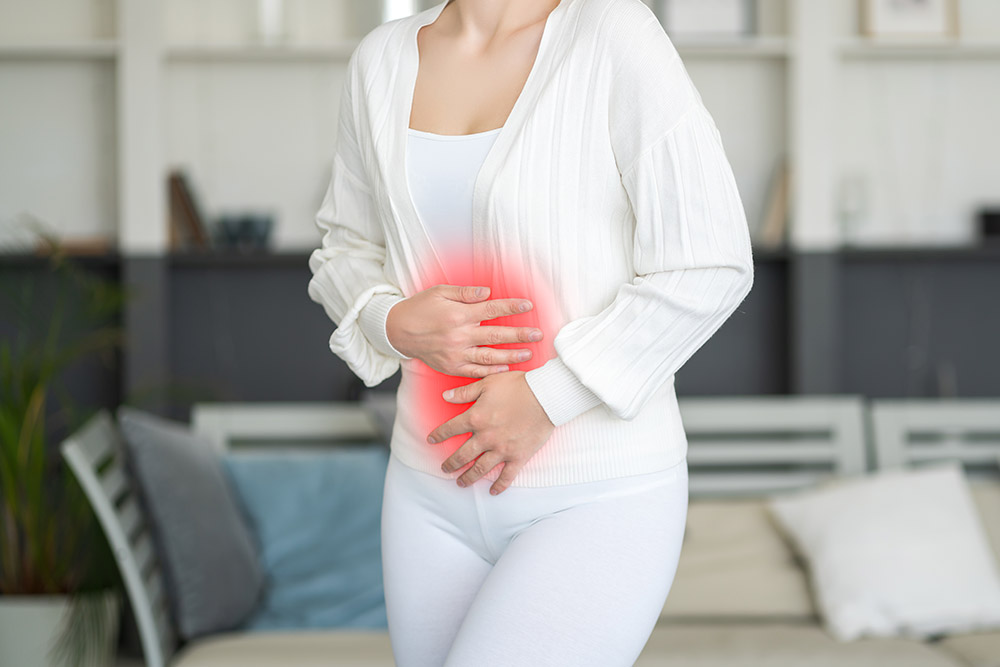








IBS-C is a type of irritable bowel disorder where persistent condition of abdominal pains or cramps is correlated with the bowel habits alongside relatively hard or solid bowel manifestation. IBS-C in comparison to simple constipation has a discomfort that usually eases after bowel passing. Medics are likely to call it an ICD-10 S96773.
The symptoms of IBS-C can be fluctuating in intensity either way and they also occur and disappear. Key signs include:
The precise etiology of IBS-C is unknown, but there are a number of factors that have been thought to be the etiology:
The GastroDoxs professional care centre located in Houston will guide you to deal with the IBS-C. Our board certified professionals would warmly receive you and assist you in finding a lasting remedy of resolving your pain by way of obtaining accurate in-house diagnosis in addition to personalized treatment plans. You can prepare to take the trip and start leading a more comfortable life and get on the right channel that will get you on the right track to better digestion health.
We've successfully treated more than 2.9k patients, helping individuals improve their digestive health and overall well-being through expert, personalized care.
With over 20 years of experience, GastroDoxs has been a trusted provider of gastroenterology care, focusing on delivering the best outcomes for patients
Dr. Bharat Pothuri is a board-certified expert in Gastroenterology and Hepatology with extensive training and expertise in both digestive health and liver diseases.
He is deeply committed to providing personalized care, focusing on understanding each patient’s unique needs. His approach combines advanced diagnostic techniques with tailored treatment plans to ensure the best possible outcomes. Patients appreciate his compassionate care and thorough approach, and many express high satisfaction with the improvements they experience in their digestive and liver health under his expert guidance.
In IBS-C, pain or cramping abdominal feces ameliorate with urination, hardness, and bloating, constipation has frequent and regular but infrequent movements of feces, which lack an overarching disposition of releasing pain.
It is diagnosed by the Rome IV criteria which involves over three months of abdominal pains patterns in constipation and emergence of the symptoms not less than six months before diagnosis.
The ICD-10 code of Irritable Bowel Syndrome and dominant constipation is 58.1.
Yes. Low-FODMAP diet and the introduction of soluble fiber (psyllium) are used in most patients to reduce the frequency of bloating and improve the stool.
Yes. The existing options of prescriptions are lubiprostone, linaclotide, and plecanatide that help to increase the volume of fluid released into the intestines and overcome the pain and constipation.
Others can improve within 1-2 weeks, and Jack is maximizing the treatments, thus patients take weeks and even months before complete improvements can be achieved.
Yes, especially in cases where the symptoms do not respond to the lifestyle and drug-store treatment. Gastroenterologist can offer complicated tests and individual treatment.
Yes. Stress and anxiety are able to change the gut motility and gut sensitivity, which may result in or aggravate IBS-C enteric outbursts.
Probiotics, more so, Bifidobacterium, can be given to other patients to restore normal bacteria to the healthy gut and also to relieve bloating.
No, not routinely. The number of cases with a single instance of alarm features e.g. gastrointestinal bleeding, unexplainable weight loss, anemia and followed by a colonoscopy is advised.