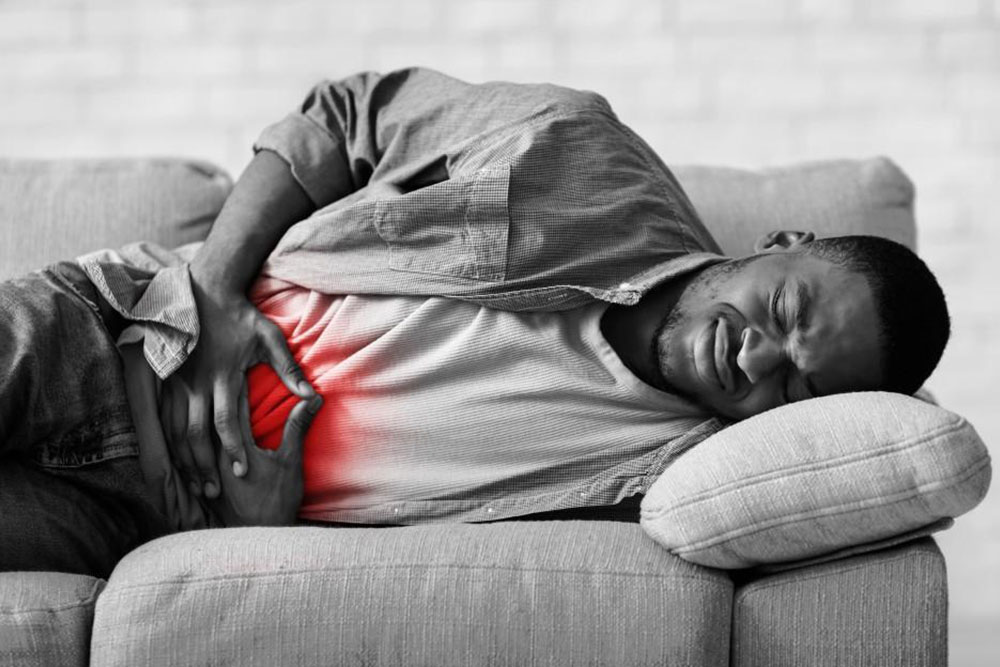








Liver disease: This is a condition that causes an impairment or failure as the liver performs its duty. It extends to mild cases of fat (steatosis) tissues inside the liver (hepatitis), scarring (fibrosis), and total liver failure. The prompt diagnosis and proper treatment can delay the process and enhance the results.
They depend on the level of severity, however, you can observe:
Liver injury may be caused by a number of factors:
At GastroDoxs in Katy, TX, the specialists in the fields of liver disease combine the most recent diagnostics with individual treatment courses with the help and support. Since the early? stages intervention until the advanced care we are determined to make you as healthy as possible in terms of liver and enhance your quality of life.
Don't wait-take control of your liver health today. Book your appointment now!
We've successfully treated more than 360 patients, helping individuals improve their digestive health and overall well-being through expert, personalized care.
With over 20 years of experience, GastroDoxs has been a trusted provider of gastroenterology care, focusing on delivering the best outcomes for patients

Dr. Bharat Pothuri is a Board-Certified Gastroenterologist and Hepatologist. With extensive experience in digestive health, he specializes in advanced endoscopic procedures, chronic GI disorder management, and preventive care. Dr. Pothuri is dedicated to providing expert, patient-focused insights to help improve gut health and overall well-being.
The MELD is a mathematical calculation of blood tests (bilirubin, creatinine, and INR) to determine the extent of chronic liver disease, the risk of liver failure, and patients prioritization to receive a liver transplant.
The cystic liver disease can lead to abdominal pain, discomfort, bloating, nausea and in some instances cyst infection, fever and an enlarged liver as fullness in the upper abdomen.
The ICD-10 code of end stage liver disease (chronic hepatic failure) is 72.1.
The ICD-10 code of nonalcoholic fatty liver disease is K76.0. This code deals with nonalcoholic fatty infiltration of liver.
Yes. The inability to pass bile may result in the build up of bile salts below the skin resulting in severe itch (pruritus) which is usually exacerbated during the night, on hands and feet.
During their consultation with you or in educational resources, your healthcare provider or specialist may demonstrate you examples of pale or clay-colored stools-a clinically significant evidence of bile stasis.
Stage 2 liver infiltration signifies the moderate scarring (fibrosis) of the liver. There is an opportunity in this stage that the progression of the disease may be slowed down by early intervention using the change of lifestyle and treatment or even be reversed.
Although it is away, unmanaged severe fatty liver disease may silently escalate to cirrhosis or acute liver failure, which in severe circumstances could lead to life threatening problems or even immediate death.
The end stage liver disease (decompensated cirrhosis) can manifest itself through extreme fatigue, confusion (hepatic encephalopathy), accumulation of fluid in the abdominal cavity (ascites), jaundice, bleeding propensity and kidneys dysfunction.
Reserve an appointment in case of unexplained fatigue, jaundice (yellow skin color or eyes), an abdominal swelling, unrelenting itching or any other liver-prompting indicators. The outcomes can be enhanced through early assessment.