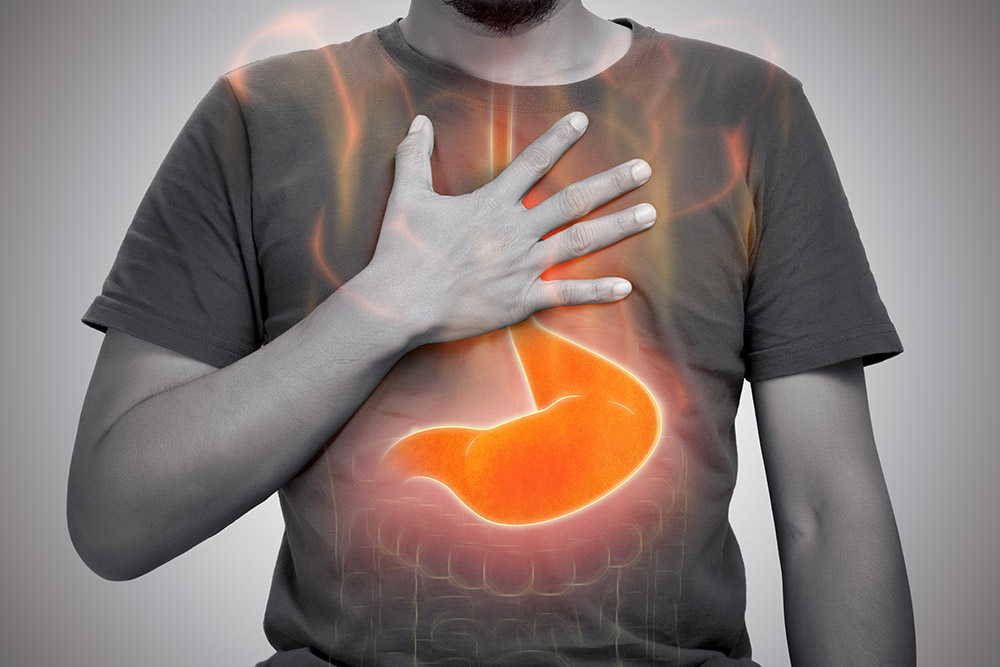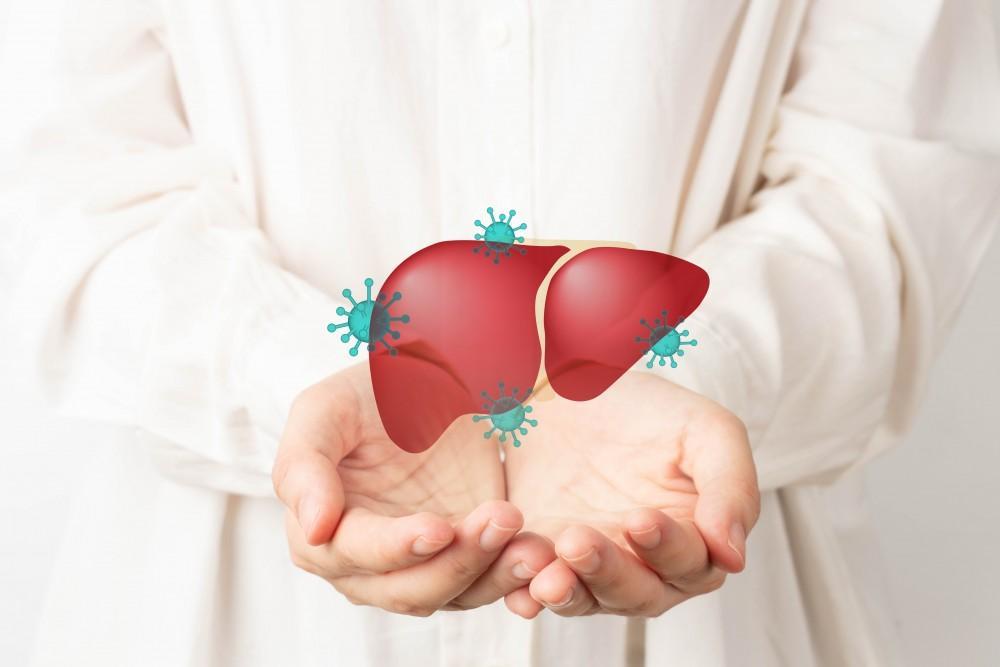








Gastric lymphoma is a very uncommon tumor that begins in the lymph tissue of the stomach as opposed to the stomach lining, which makes it different as compared to gastric adenocarcinoma. ICD-10 code C85.9 (non-Hodgkin lymphoma, unspecified) is commonly used by the doctors when it comes to diagnosis. A gastroenterologist can detect them early to receive a better treatment.
The symptoms are subtle, however, they may also progress with time. You may experience:
The specific cause is not always apparent but a number of risk factors are identified to play a role:
GastroDoxs offers high-quality diagnostics and state-of-the-art treatment of gastric lymphoma with a significant emphasis on patient-centered care and full management of the target issue right here in the Jersey Village. The work of our board-certified gastroenterologists is to create a personalized plan with them, either through targeted therapy, chemotherapy, radiation, or the eradication of H. pylori specially to achieve the most favorable result. Wait no longer to commence the charge after your health: Get your appointment now and let our professional staff instruct you in all the particulars.
We've successfully treated more than 1K patients, helping individuals improve their digestive health and overall well-being through expert, personalized care.
With over 20 years of experience, GastroDoxs has been a trusted provider of gastroenterology care, focusing on delivering the best outcomes for patients
Dr. Bharat Pothuri is a Board-Certified Gastroenterologist and Hepatologist. With extensive experience in digestive health, he specializes in advanced endoscopic procedures, chronic GI disorder management, and preventive care. Dr. Pothuri is dedicated to providing expert, patient-focused insights to help improve gut health and overall well-being.
To conduct endoscopy and biopsy, physicians usually examine stomach tissue with the help of imaging methods such as CT or PET scans and blood analyses to make a diagnosis and identify the disease stage.
The majority of patients undergo six to eight cycles of chemotherapy over several months. The exact duration varies depending on the individual’s response, side effects, and treatment modifications.
Yes. In cases associated with Helicobacter pylori infection and low-grade disease, a specific antibiotic regimen may eliminate the bacteria, leading to regression of the lymphoma.
Gastric lymphoma develops from lymphoid (immune) tissue in the stomach wall, while gastric adenocarcinoma originates from gland-forming cells. Their treatment approaches and prognoses differ significantly.
The most common subtype of gastric lymphoma is B-cell lymphoma, which starts in B lymphocytes. Treatment often includes combination chemotherapy along with targeted therapy such as rituximab.
Common side effects include fatigue, nausea, low blood counts (which increase infection risk), and occasional hair loss. Our team provides supportive care interventions to help manage these symptoms effectively.
To arrange an appointment with GastroDoxs, you can call our Jersey Village office or visit our website. Our board-certified gastroenterologists have extensive experience in diagnosing and treating gastric lymphoma.
C85.9 is the primary code for unspecified non-Hodgkin gastric lymphoma. Other specific codes, such as C82.2 for follicular lymphoma, may be used depending on the subtype.
After treatment, imaging and endoscopic evaluations are generally scheduled every three to six months during the first year, and then annually if the disease remains in remission.
Treatment may affect appetite and digestion. Our nutritionists work closely with patients to create personalized diet plans that meet nutritional needs and manage treatment-related side effects.