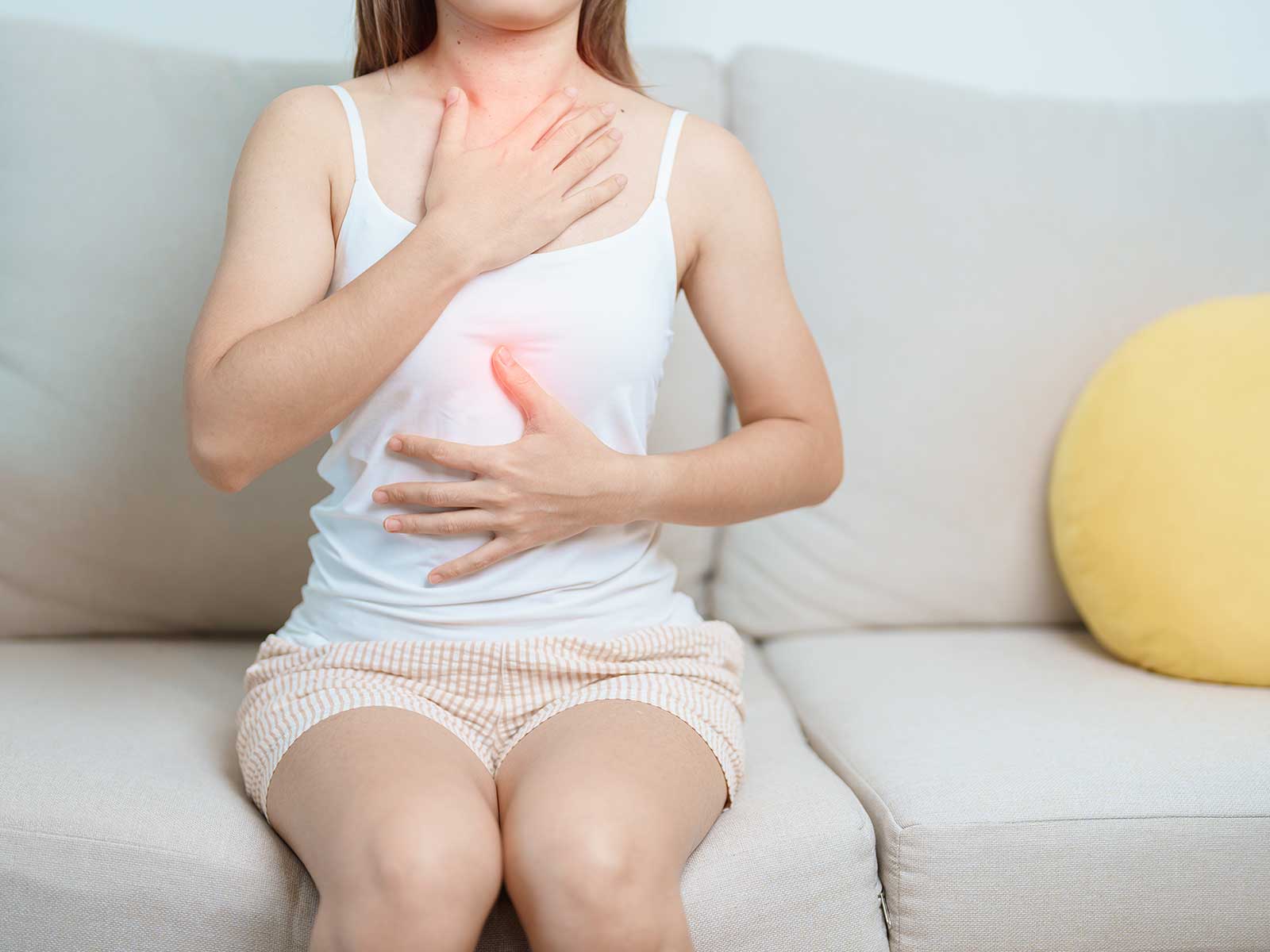








Eosinophilic ileitis is a rarity disease whereby there is over development of eosinophil (a form of white blood cell) in the ileum—the last part of the small intestine. This accumulation brings about swelling and irritation that may interfere with digestion and the uptake of nutrients. Early identification and management assists to manage the symptoms and enhance quality living.
The manifestation of eosinophilic ileitis is associated, however, with the following symptoms:
Although the actual cause is not exactly clear, a number of factors can either cause or trigger eosinophilic ileitis:
In Jersey Village, our experts offer state-of-the-art diagnostics along with sensitive, patient-oriented care at GastroDoxs, thereby delivering reliable treatment of eosinophilic ileitis. Stop letting digestive problems dominate your life—book your appointment today and start enjoying long-lasting relief and an improved lifestyle.
We've successfully treated more than 1K patients, helping individuals improve their digestive health and overall well-being through expert, personalized care.
With over 20 years of experience, GastroDoxs has been a trusted provider of gastroenterology care, focusing on delivering the best outcomes for patients
Dr. Bharat Pothuri is a Board-Certified Gastroenterologist and Hepatologist. With extensive experience in digestive health, he specializes in advanced endoscopic procedures, chronic GI disorder management, and preventive care. Dr. Pothuri is dedicated to providing expert, patient-focused insights to help improve gut health and overall well-being.
Diagnosis usually entails ileal endoscopy with biopsy results of the ileum, laboratory studies (blood tests and stool analyses) to identify high levels of eosinophils and eliminate other sources of inflammation.
Yes. The symptoms of both diseases are similar, and inflammation in the intestines occurs. To differentiate between eosinophil-mediated inflammation and Crohn disease, a tissue biopsy under a microscope is necessary.
No. On the one hand, it may lead to serious complications and suffering in case of its untreated existence; on the other hand, it is possible to manage the symptoms and avoid serious health problems once it is diagnosed in time.
Typical allergens are dairy, soy, gluten, and nuts, among others. An elimination diet with the help of your gastroenterologist or dietitian may discover certain types of food that exacerbate your symptoms.
Some of these drugs can cause the eosinophil activity in the gut. Your physician will assess your existing medications in order to determine and alter possible triggers.
Yes. Eosinophilic ileitis can occur in children having food allergies or other immune-related disorders. The crucial strategy towards preventing the development and nutrition problems is early assessment and treatment.
Response times vary. The effect of dietary changes and medication take a few weeks, whereas some patients need several months of treatment and observation.
Surgery is rarely needed. The majority of the cases are sensitive to dietary management, corticosteroids, biologic treatment, and nutritional support.
Yes. Gastrointestinal manifestations are aggravated by stress. Flare-ups could be eased by applying stress-reduction methods such as mindfulness, counseling, or light exercise.
GastroDoxs Jersey Village deals with eosinophilic gastrointestinal disorders. Our team will enable you to have total assessment, individualized care, and consistent care to find lasting relief.