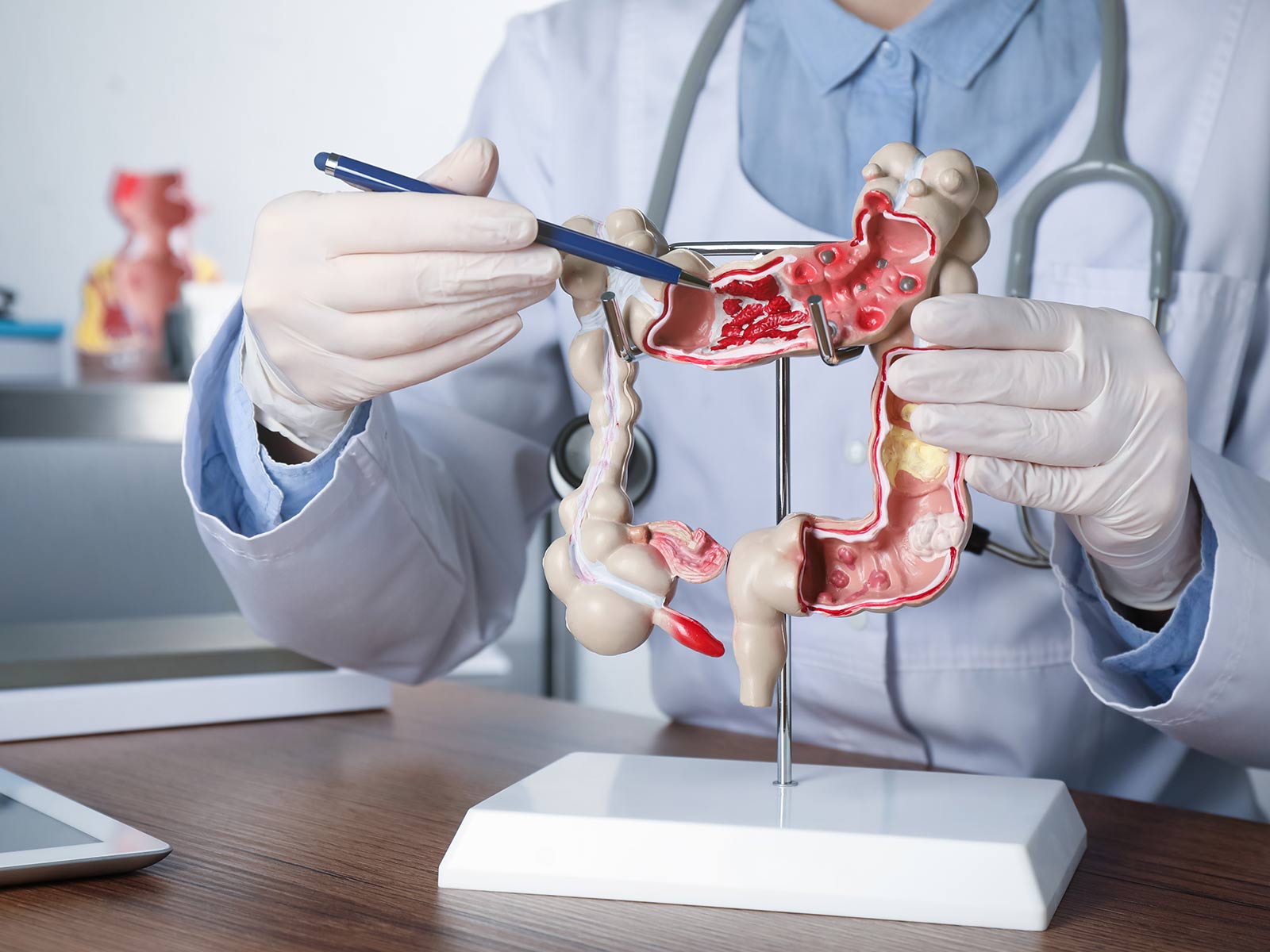








A duodenal polyp is a small lump on the mucosa of the duodenum, which is the first part of the small intestine. Most of these polyps are harmless and are often found accidentally during an upper endoscopy, though a few may show precancerous changes that require removal.
Many duodenal polyps do not cause symptoms. When symptoms appear, you may notice:
The exact cause of duodenal polyps is not always clear, but certain factors can increase the risk:
Well-being comes first at GastroDoxs in Jersey Village. Our board-certified gastroenterologists provide comprehensive in-house pathology, lab services, and personalized follow-up care-all under one roof. We streamline insurance and billing with accurate ICD-10 coding (K31.7) so you can focus on healing. Don’t delay-book your appointment today by calling 832-632-4070 or Book Your Appointment Online Now and take the first step toward lasting digestive health.
We've successfully treated more than 1K patients, helping individuals improve their digestive health and overall well-being through expert, personalized care.
With over 20 years of experience, GastroDoxs has been a trusted provider of gastroenterology care, focusing on delivering the best outcomes for patients
Dr. Bharat Pothuri is a Board-Certified Gastroenterologist and Hepatologist. With extensive experience in digestive health, he specializes in advanced endoscopic procedures, chronic GI disorder management, and preventive care. Dr. Pothuri is dedicated to providing expert, patient-focused insights to help improve gut health and overall well-being.
The ICD-10 code for benign duodenal polyps is K31.7. This code is used for insurance billing and medical record documentation.
Duodenal polyps are most commonly detected during an upper endoscopy. If a polyp is seen, a small tissue biopsy may be collected to check for abnormal or precancerous cells.
Most duodenal polyps are harmless, but some may develop precancerous changes if left untreated. That’s why removal and regular monitoring are recommended.
Recovery is usually fast. You may experience mild bloating or throat soreness, but normal eating can often resume within one or two days. A follow-up appointment is typically scheduled in 2–4 weeks.
Medications may be required if there is inflammation. In such cases, your doctor may prescribe acid-reducing drugs to support healing and recovery.
The timing depends on the number and type of removed polyps. Generally, repeat endoscopy is recommended every 3–5 years to monitor for new growths.
Risk factors include a family history of polyps or polyposis syndromes, chronic intestinal inflammation, long-term NSAID use, certain genetic conditions such as FAP, and being over the age of 50.
Yes. A high-fiber, low-processed diet with plenty of fruits, vegetables, and whole grains helps reduce the risk of developing polyps. Staying well hydrated also supports gut health.
No. Endoscopic polyp removal is performed under sedation, so patients typically feel no pain during the procedure and only minor discomfort afterward.
At GastroDoxs in Jersey Village, our GI specialists offer in-house endoscopy and lab services, personalized care, and quick appointments for the diagnosis and treatment of duodenal polyps.