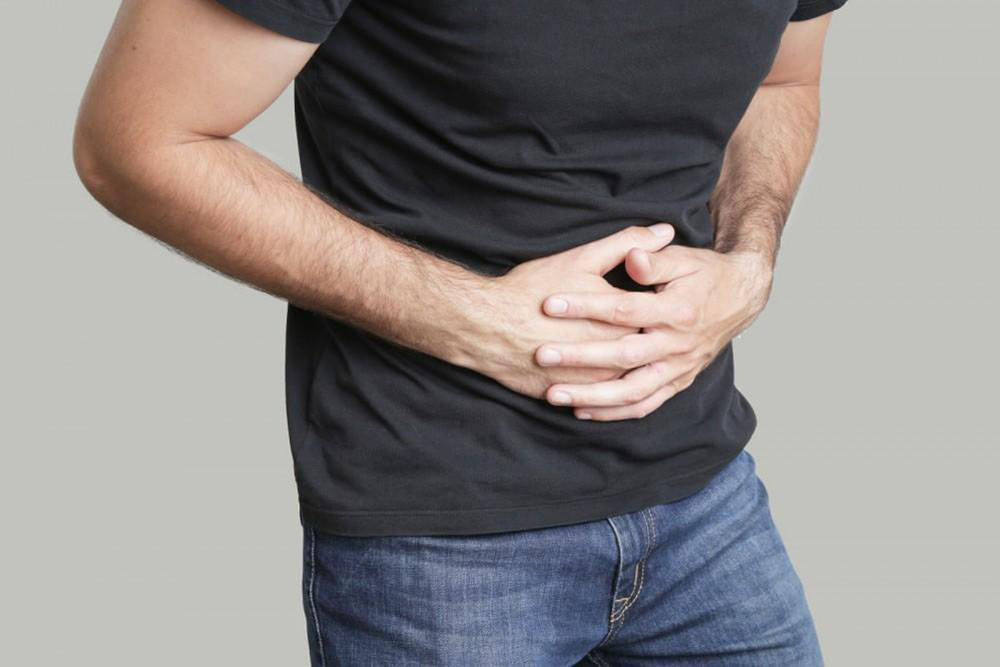








Pancreatic cyst is the fluid filled sac that forms in the pancreas. Most cysts are harmless and do not create a problem to the individual, others may expand, be painful, and may be at risk of cancer. Symptoms and treatment directions are assisted by diagnosing the condition early on and providing expert care, such as the one provided by GastroDoxs in Jersey Village.
The cysts in the pancreas are numerous and happen accidentally during examination of other problems by imaging. In the occasions that they result in symptoms, you may have:
Pancreatic cysts may result due to a number of factors. Common causes include:
Wait no longer to receive answers to our Jersey Village colleagues in qualified pancreatic cyst treatment through high-fetal imaging services, minimum invasive treatment and individualized treatment remedies. Make your appointment today and begin your own individual treatment regimen with a professional being trusted at GastroDoxs. Now is the time to call and make an appointment with us and get comprehensive, caring services.
We've successfully treated more than 1.8K patients, helping individuals improve their digestive health and overall well-being through expert, personalized care.
With over 20 years of experience, GastroDoxs has been a trusted provider of gastroenterology care, focusing on delivering the best outcomes for patients
Dr. Bharat Pothuri is a Board-Certified Gastroenterologist and Hepatologist. With extensive experience in digestive health, he specializes in advanced endoscopic procedures, chronic GI disorder management, and preventive care. Dr. Pothuri is dedicated to providing expert, patient-focused insights to help improve gut health and overall well-being.
Diagnosis Pancreatic cysts are usually observed with the help of imaging tests, including CT scans, MRI, or ultrasound. In case of necessity, a biopsy can be performed to assess cyst fluid of abnormal or cancer cells.
Due symptoms are often upper abdominal pain or pressure, performing after eating, nausea or vomiting, unexplainable weight loss, and yellowing of the skin or eyes (jaundice).
Though the majority of pancreatic cysts are harmless, other forms have a possibility of progressing to become cancerous in due course of time. Frequent surveillance and biopsy of suspicious cysts are therefore used to detect malignant changes in their early stages.
The cyst and pseudocyst of the pancreas is coded under the ICD-10 as code K86.3 because this code is used both in medical terms and in billing.
Surgery is advised when the size of a cyst is big and enlarging, brings about symptoms or complications, or present alarming characteristics on both the imaging and the biopsy reports indicating the possibility of a cancer.
Pancreatic cysts that are not treated could become infected, rupture or block bile or pancreatic ducts causing pain, infection or digestive issues.
The time of recovery in the process, as well as for a certain individual, depends on the procedure and their health conditions, but, on average, the period can be one-four weeks, during which medications, proper dieting, and secondary help are compulsory.
A diet low in fats, but with small, frequent food portions has the potential to alleviate the symptoms and help keep the pancreas healthy by decreasing the amount of work pancreas should operate.
Yes. Pancreatic cysts can be properly diagnosed, imaged using up-to-date life-specific treatment plans, through the help of a gastroenterologist or a pancreatic specialist.
Usually, monitoring of the changes or enlargement of the cyst requires follow-up imaging jointly with the cyst size and the type and menace of the cyst, which is recommended after 3 to 12 months.