







Abnormal CT of the gastrointestinal (GI) tract implies the view of something other than expected within your esophagus, stomach, small testicular, colon, or other structures abnormal tissue, masses, fluid accumulations, or inflammatory phenomena, which has been observed in the imaging. The discovery raises further analysis to identify the problem behind it as well as inform treatment.
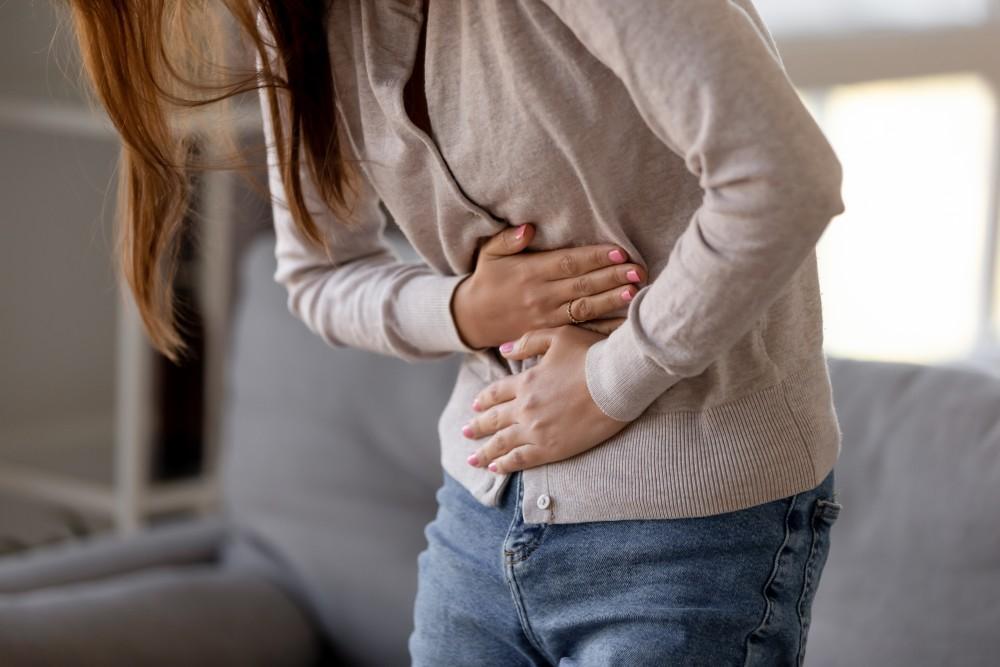
Patients who develop abnormal GI CT are found to suffer continuing or unexplained symptoms such as:
Issues to display as abnormal on a GI CT scan can be caused in a variety of conditions:
Thirdly, your CT scan results should not be ignored. Make a reservation now with our team of experts in Jersey Village. At GastroDoxs, endeavors of our board-certified GI professionals will be to examine your scans, answer your questions, and create your own digestive health enhancement treatment program to guarantee your long-term relief and enhanced digestive health. Plan on-line or call us now to make a step forward towards better care.
We've successfully treated more than 601 patients, helping individuals improve their digestive health and overall well-being through expert, personalized care.
With over 20 years of experience, GastroDoxs has been a trusted provider of gastroenterology care, focusing on delivering the best outcomes for patients
Dr. Bharat Pothuri is a Board-Certified Gastroenterologist and Hepatologist. With extensive experience in digestive health, he specializes in advanced endoscopic procedures, chronic GI disorder management, and preventive care. Dr. Pothuri is dedicated to providing expert, patient-focused insights to help improve gut health and overall well-being.
A GI CT scan abnormally depicts the imaging revealed something inexplicable-inflammation, thickening of tissues, accumulation of fluid, or even a mass-which will need additional disclosure or management.
Physicians check the GI CT scans by examining them to identify signs of inflammation, bleeding, strictures, enlargements (polyps or tumors), abnormal fluid, blood flow variations, among other structural anomalies.
The most common reasons are those of inflammatory bowel diseases (Crohn disease or ulcerative colitis), infections (bacteria or viruses), benign or cancerous growths, ischemia (inadequate intestinal blood supply), and post-surgery epidermis.
Not always. A thickening in the bowel wall may be reversible as a temporary effect of inflammation (probably due to process) or infection and may resolve with treatment (medication, diet change), or other non-invasive interventions.
Ideally, the follow-up is to be done in one week in order to review the findings and discuss further steps and initiate the required treatment immediately.
Yes. A customized dietary changes-low-residue diet, elimination diet, anti-inflammatory nutrition plan, etc.- can make inflammation lower and help rehabilitate on most cases.
Only a case of large tumors, a lot of blockage or complication that is unresponsive to medication would warrant surgery. Non-surgical measures may improve most of the patients.
CT is very precise in terms of structural and vascular imaging and other pitfalls such as endoscopy or a biopsy can make sure certain diagnoses are possible.
We recommend that you bring your CT scan images and the report given by this radiologist, a list of your symptoms, medications you have taken and any medical history that you have so that your doctor can create an effective treatment plan.
In order to have a full-scale assessment of abnormal CT scan and other gastrointestinal issues, pay a visit to GastroDoxs in Jersey Village. We have a team of board certified personnel that is ready to guide you throughout.