1.9K Reviews | 4.7 Star Rating | 20+ years of experience | 72k+ Patients Treated
Esophageal Ulcer Specialist
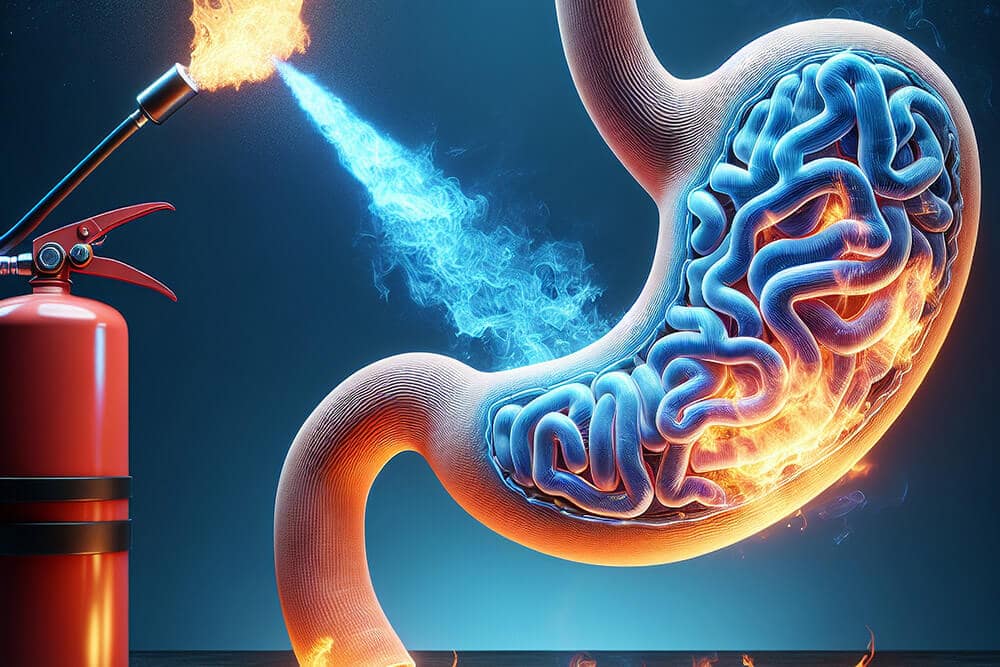
Esophageal ulcers are painful swellings in the esophagus lining that may result into bloody, burning, and difficulty in swallowing. At GastroDoxs, Houston, Dr. Scott uses a blend of high-tier diagnostics, highly effective treatment modalities, and customized lifestyle prescriptions to achieve the healing process and build the enduring comfort of the patient.
Dr. Scott Liu, MD, is a board-certified gastroenterologist with over six years of experience and a background in military medicine. He earned his medical degree from the University of Maryland, Baltimore, completed his Internal Medicine residency at Naval Medical Center Portsmouth, and finished his Gastroenterology fellowship through the National Capital Consortium. Dr. Liu provides comprehensive care for a broad range of digestive conditions, including abdominal pain, acid reflux, liver disease, chronic diarrhea, and colon cancer screening. He is a member of the American College of Gastroenterology and is known for his disciplined, patient-focused approach and clear communication.
Common Causes and Risk Factors
Gastroesophageal reflux disease (GERD)
Helicobacter pylori infection
Frequent use of NSAIDs (e.g., ibuprofen, naproxen)
Smoking and heavy alcohol consumption
Prolonged stress or weakened immune system
Chest radiation therapy
Signs and Symptoms
Burning or aching chest pain
Pain or discomfort when swallowing
Difficulty swallowing solids or liquids
Nausea or episodes of vomiting
Black, tarry, or bloody stools
Unintentional weight loss
How Dr. Scott Diagnoses Esophageal Ulcer
Dr. Scott uses a step-by-step approach:
Medical History and Physical Exam
He assesses such symptoms as burning in the chest, painful swallowing, regurgitation, and the history of acid reflux, damage on the pill or immune suppression. Attentive physical examination is used to measure the presence of anemia or complications.
Blood Tests
Involves a complete blood count which confirms whether a person is anaemic or there is bleeding, inflammatory markers when a person has suspected an infection, and nutritional screening in cases when a person loses his or her weight.
Upper Endoscopy (EGD)
This is the main diagnosis instrument. A flexible scope is used by Dr. Scott to examine the esophagus and identify ulcerations, irritation, and inflammation or constriction around the cord.
Biopsy
Should the presence of ulceric lesions be noted he could test small tissue samples to exclude infection (e.g. HSV, CMV), malignancy or eosinophilic esophagitis, particularly in patients having risk factors or non-healing lesions.
pH Monitoring (if GERD suspected)
24-hour pH testing may be used to confirm chronic acid reflux as the underlying cause of esophageal damage in recurring or treatment-resistant cases.
Additional Imaging (if needed)
Barium swallow X-ray to detect strictures, perforation risk, or associated motility issues
Rare cases in which chest CT scan is used in order to determine the presence of complications or infection that extends beyond the esophagus.
Treatment
Our Team offers a full range of care for esophageal ulcers.
Lifestyle and Diet Changes
Consume smaller, more frequent meals in order to decrease esophageal irritation.
Exclude spicy foods, acid and fizzy beverages.
Remain sitting up within 30 minutes of eating.
To avoid night time reflux, elevate the head of your bed by several inches.
Stop smoking and reduce consumption of alcohol to encourage healing.
Medications
Proton pump inhibitors (PPIs) to highly decrease acid secretions in the stomach.
H 2 blockers to aid in managing the levels of acid and reducing symptoms.
Helicobacter pylori Eradication with antibiotics in case of infection.
Covering the agents like sucralfate to cover the ulcerated lining.
Advanced Treatments
Endoscopic treatment in order to prevent active bleeding or directly heal the ulcer.
Balloons dilation when the esophageal narrowing is caused by scar tissue.
In rare instances, radiofrequency ablation to ablate damaged tissue.
Dr. Scott Liu, MD, is a board-certified gastroenterologist with over six years of experience and a background in military medicine. He earned his medical degree from the University of Maryland, Baltimore, completed his Internal Medicine residency at Naval Medical Center Portsmouth, and finished his Gastroenterology fellowship through the National Capital Consortium. Dr. Liu provides comprehensive care for a broad range of digestive conditions, including abdominal pain, acid reflux, liver disease, chronic diarrhea, and colon cancer screening. He is a member of the American College of Gastroenterology and is known for his disciplined, patient-focused approach and clear communication.
Frequently Asked Questions
Major Symptoms of an Esophageal Ulcer
Pain in the chest, painful swallowing, nausea, and black or bloody diarrheal.
Duration of Healing
With proper treatment, most of the ulcers heal in a period of 4 to 8 weeks.
Risk of Esophageal Cancer
It is uncommon. Dr. Scott can conduct a biopsy to ensure that there are no cancerous signs.
ICD-10 Code
Code of esophagus ulcer is K20.3.
Role of Diet
Diet can be of help, although medication can be required to prevent healing of the ulcer.
Safety of Endoscopy
Yes. It is a non-hazardous process that is utilized in viewing and occasionally treating the ulcer.
H. pylori Testing
Yes, in case of suspicion of infection, Dr. Scott will request tests to eliminate the doubt.
Related Blogs
What Is Constipation, and What Can You Do About It?