What Is Backwash Ileitis?
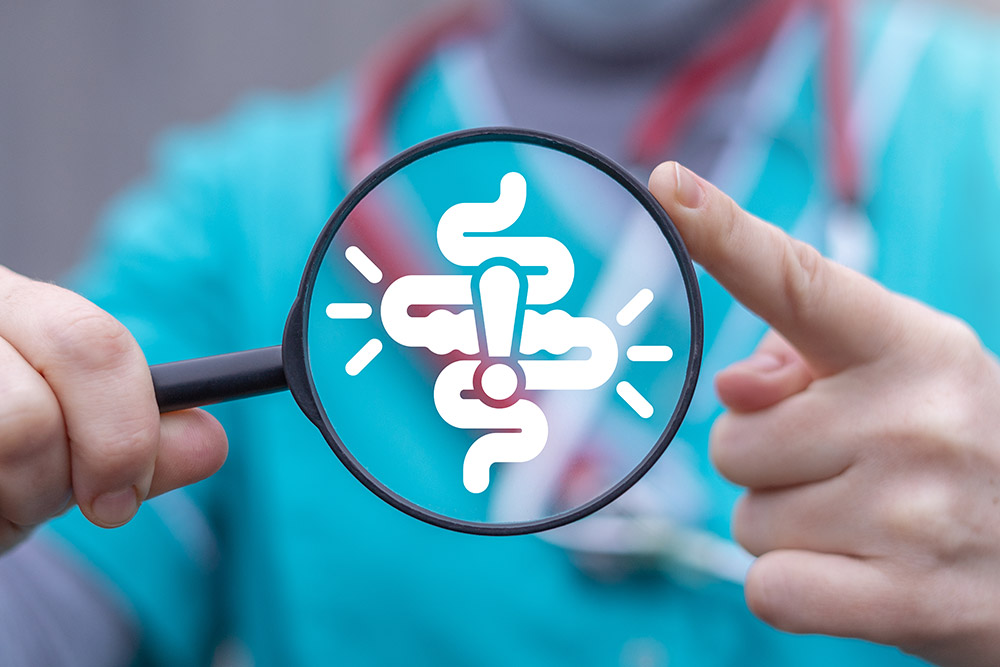
Backwash ileitis is inflammation of the terminal ileum that occurs in people with ulcerative colitis when colon contents flow backward and irritate the small intestine. It is generally milder than Crohn's disease but still requires proper management.
Common Causes and Risk Factors
- Extensive ulcerative colitis (pancolitis)
- Ulcerative colitis duration over 8 years
- Complications such as toxic megacolon
- History of smoking
- Alterations in gut microbiota
Signs and Symptoms
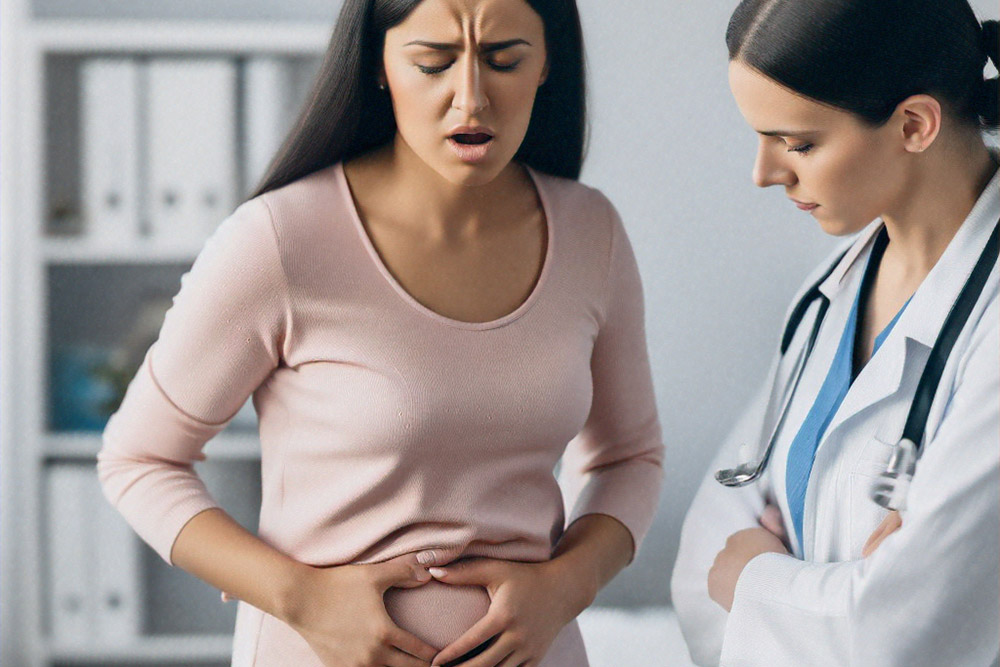
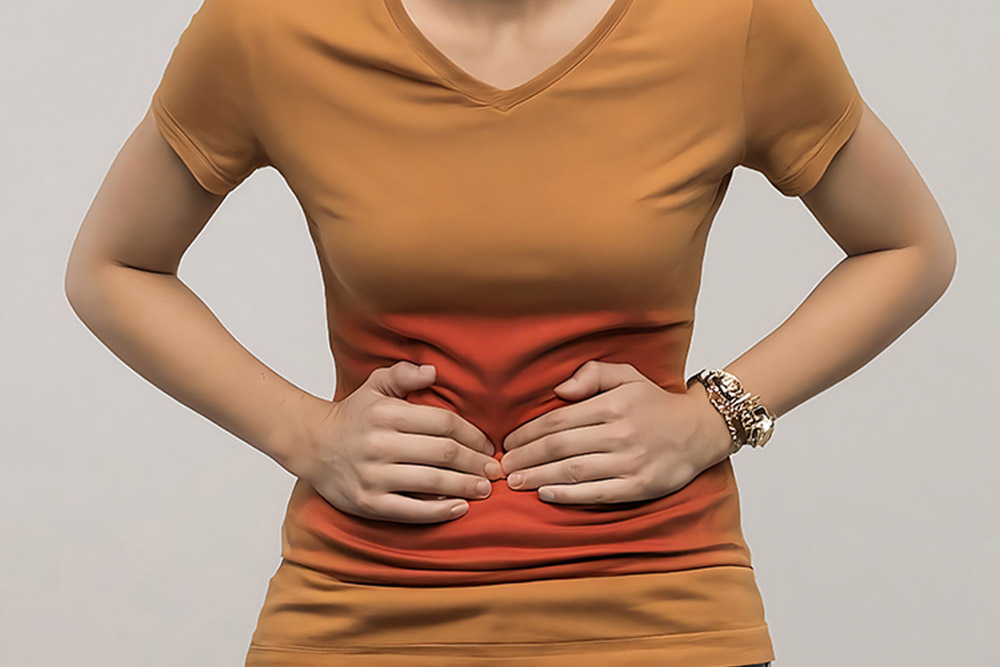
- Cramping pain in the lower right abdomen
- Loose stools or persistent diarrhea
- Urgent or frequent bowel movements
- Mild weight loss and fatigue
- Occasional low-grade fever
How Dr. Rishi Diagnoses Backwash Ileitis?
Dr. Rishi uses a step-by-step approach:
Medical History and Physical Exam
He reviews your ulcerative colitis history, symptom patterns (cramps, diarrhea, urgency), prior treatments and risk factors such as disease duration and prior colon complications.
Blood Tests
We check inflammatory markers (CRP, ESR), complete blood count and rule out infections or other causes of ileal irritation.
Endoscopic Evaluation
- Colonoscopy with terminal ileum intubation to visually assess inflammation.
- Biopsy of the ileal mucosa to confirm backwash ileitis and differentiate from Crohn's disease.
Imaging Studies
- MRI or CT enterography to exclude strictures, transmural disease or other complications.
Advanced Testing (if needed)
Rarely, capsule endoscopy or specialized microbiome analysis may be used to refine the diagnosis or rule out overlapping conditions.
Frequently Asked Questions
What is backwash ileitis?
It's inflammation of the terminal ileum caused by colon contents -backwashing- into that area in people with ulcerative colitis.
How common is it?
Backwash ileitis occurs in about 10-20% of patients with extensive (pancolitis) ulcerative colitis.
How is it different from Crohn's disease?
Backwash ileitis is limited to the distal ileum and is generally milder, whereas Crohn's can affect any GI segment, produce patchy lesions, and cause deep ulcers.
Can food changes help?
Yes. A low-residue, anti-inflammatory diet and small, frequent meals can reduce irritation and improve symptoms.
What medicines are used?
Treatment may include 5-ASA agents (e.g., mesalamine), short-term steroids, immunomodulators like azathioprine, or biologics such as infliximab or vedolizumab.
Is surgery needed?
Surgery is rare and reserved for complications such as strictures or cases unresponsive to medical therapy.
How fast does treatment work?
Many patients see symptom relief within a few weeks, though long-term medication may be needed to maintain remission.
Will this affect my daily life?
With proper treatment and lifestyle adjustments, most people lead normal, active lives.
Is backwash ileitis painful?
Symptoms can include mild cramps and diarrhea; appropriate therapy usually controls discomfort effectively.
Is it covered by insurance?
Most health plans cover diagnostic tests and treatments; our office staff can assist you with insurance verification.