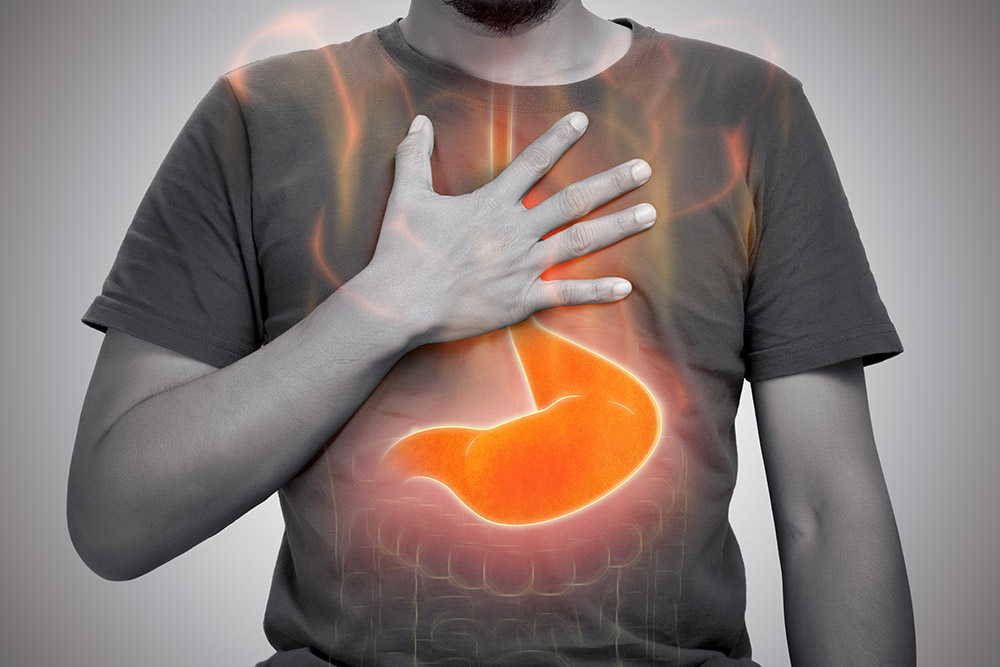








The condition is known as eosinophilic gastritis which is an inflammatory condition whereby excessive numbers of a type of white blood cell known as eosinophils collect in the stomach lining. This accumulation causes swelling, irritation and also interferes with the normal digestion. Elevated eosinophil could be diagnosed using an endoscopy with biopsy to support the diagnosis.
The symptoms in different individuals are not the same and can appear and disappear. You might experience:
The exact cause of eosinophilic gastritis isn't fully understood, but several factors are often involved:
Having a patient-focused approach and offering holistic solutions of digestive health, GastroDoxs is the place where patients with eosinophilic gastritis and other gastrointestinal diseases can receive high-quality diagnostics and effective treatment services. Our human-centered, friendly service will provide you with the answers and relief that you will be in need. Call now GastroDoxs in Cypress and make your appointment and then begin your custom-designed treatment program.
We've successfully treated more than 1.5K patients, helping individuals improve their digestive health and overall well-being through expert, personalized care.
With over 20 years of experience, GastroDoxs has been a trusted provider of gastroenterology care, focusing on delivering the best outcomes for patients
Dr. Bharat Pothuri is a board-certified expert in Gastroenterology and Hepatology with extensive training and expertise in both digestive health and liver diseases.
He is deeply committed to providing personalized care, focusing on understanding each patient’s unique needs. His approach combines advanced diagnostic techniques with tailored treatment plans to ensure the best possible outcomes. Patients appreciate his compassionate care and thorough approach, and many express high satisfaction with the improvements they experience in their digestive and liver health under his expert guidance.
It is diagnosed by an endoscopic biopsy of basal accumulation of eosinophils in the stomach wall, in blood tests of high eosinophil levels.
Yes. Typical food allergens are dairy, eggs, wheat, soy and other allergens that may cause an immune reaction in the stomach mucous.
Triggers may be identified and prevented with the help of an elimination diet or a 6 food exclusion plan (dairy, eggs, wheat, soy, peanuts/tree nuts and seafood).
In the existing literature, there is no distinct correlation between cannabis use and eosinophilic gastritis with the majority of the cases being connected to food-based allergy or intolerance.
This is uncommon subtype that presents with a thickened layer of collagen in the stomach mucosa and eosinophil infiltration in large numbers and some of the distinct symptoms and biopsy results.
Yes. Unattended it may cause ulcers, scarring, lack of absorption of nutrients and chronic symptoms, which affect quality of life.
Diagnosis, treatment planning, and follow-up treatment of this condition is under the management of a gastroenterologist- or our experts at GastroDoxs in Cypress.
Eosinophilia is a good indication that there is increased number of eosinophils, either in blood or in tissues, and proves that there is an allergic or inflammatory reaction in the stomach.
No. It is a rare condition, and with the increased diagnostic ability more patients are being diagnosed more correctly and treated.
Yes. Flare-ups are possible. A continuous follow-up, dietary and medication regimen allow decreasing the risk of reoccurrence.