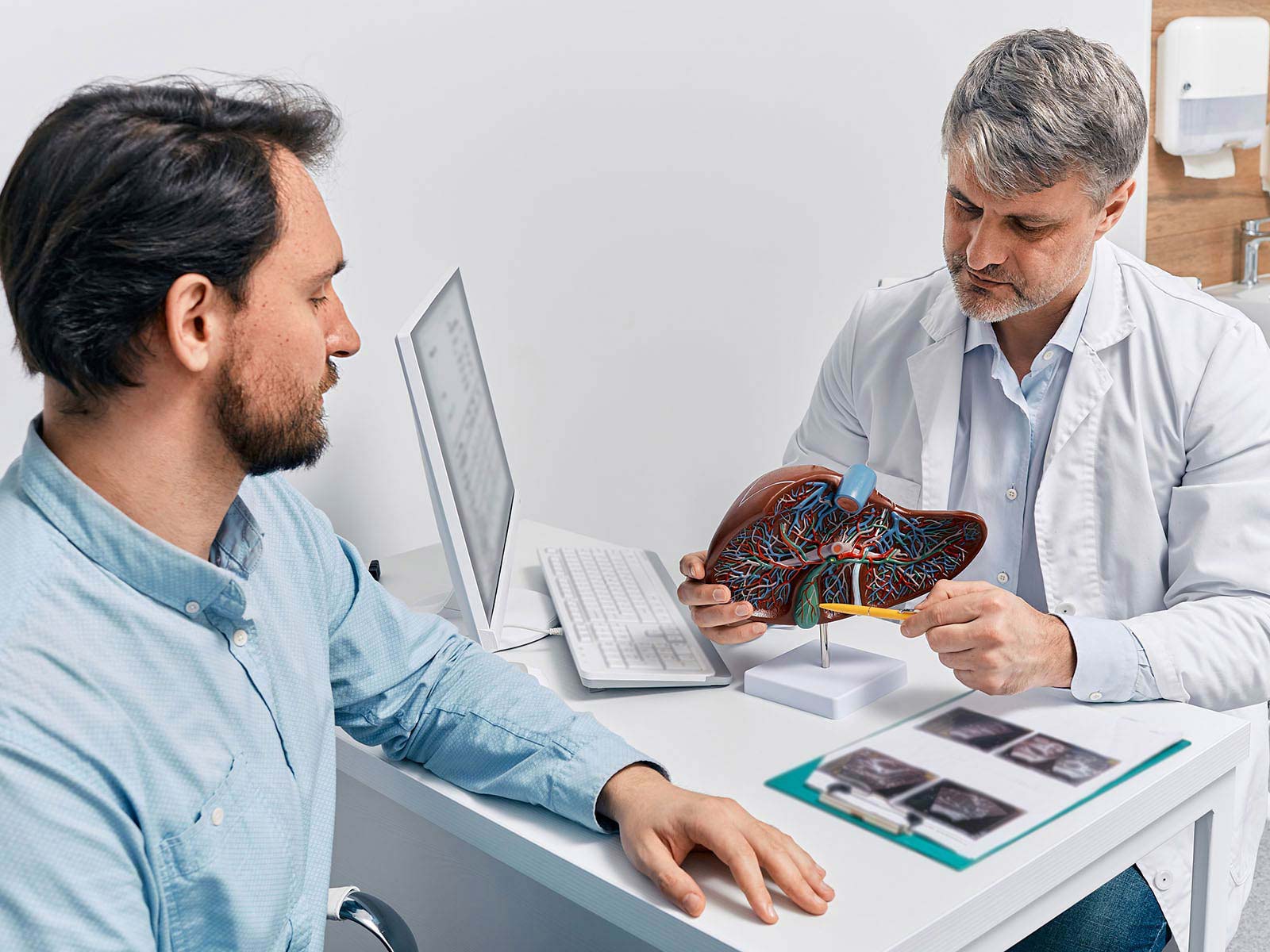








Choledocholithiasis is due to the obstruction in the regular flow of the bile by the presence of gallstones in the common duct of the bile. The result of this obstruction may include gutache, infectiousness, to the extent of involving the pancreas. We GastroDoxs in Cypress clarify your situation in an easy to understand manner and on top of it we offer fast effective treatment so that you feel better.
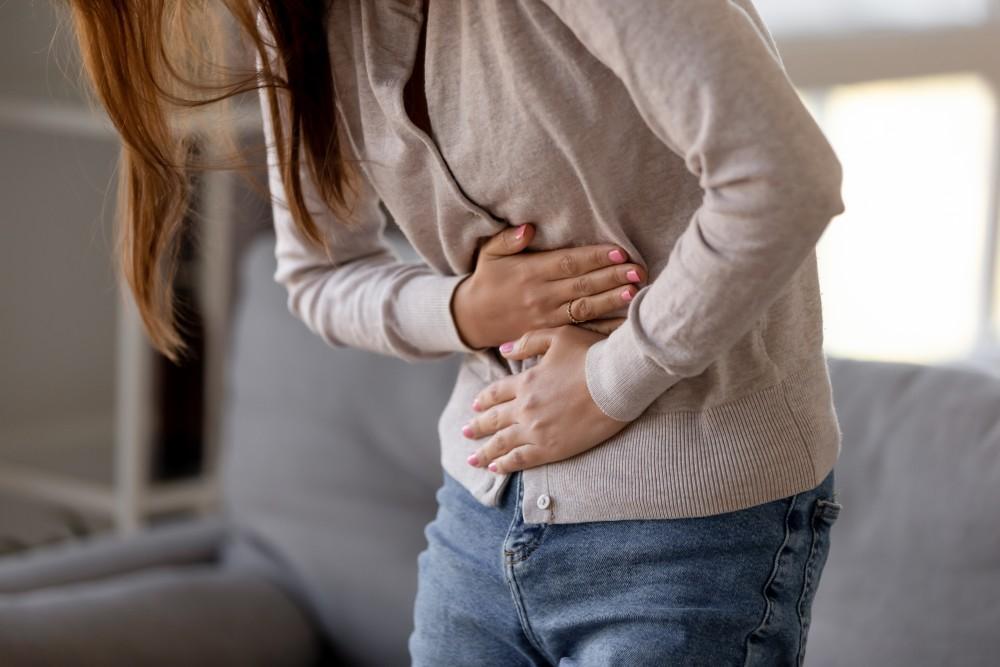
Symptoms of choledocholithiasis often start suddenly and may come and go. You may notice:
Choledocholithiasis happens when gallstones form in the gallbladder and then migrate into the common bile duct. Several factors increase your risk:
In some cases, a stone can also block the pancreatic duct, leading to acute pancreatitis that requires prompt treatment.
We use both high-technology diagnostics load tested with ERCP, MRCP, and ultrasound and individual, caring patient care to diagnose and treat choledocholithiasis fast and safely at GastroDoxs in Cypress. Our professional staff takes time to explain to you the ICD-10 codes involved, discuss your treatment and even provide you with a plan that would help to take out your pain, clear out bile duct stones, and prevent future attacks. You certainly will not want to wait till the issue becomes complicated because a simple appointment will make you feel your best again today.
We've successfully treated more than 265 patients, helping individuals improve their digestive health and overall well-being through expert, personalized care.
With over 20 years of experience, GastroDoxs has been a trusted provider of gastroenterology care, focusing on delivering the best outcomes for patients
Dr. Bharat Pothuri is a board-certified expert in Gastroenterology and Hepatology with extensive training and expertise in both digestive health and liver diseases.
He is deeply committed to providing personalized care, focusing on understanding each patient’s unique needs. His approach combines advanced diagnostic techniques with tailored treatment plans to ensure the best possible outcomes. Patients appreciate his compassionate care and thorough approach, and many express high satisfaction with the improvements they experience in their digestive and liver health under his expert guidance.
Cholecystitis is inflammation of the gallbladder, usually caused by stones trapped within it. Choledocholithiasis refers to gallstones that have migrated into and are obstructing the common bile duct.
Endoscopic Retrograde Cholangiopancreatography (ERCP) is recommended when imaging or lab tests reveal bile duct stones, especially if the patient has biliary pain, jaundice, fever, or signs of ductal obstruction or infection.
Yes, bile duct stones can recur. However, ERCP followed by gallbladder removal (cholecystectomy) significantly reduces the risk of recurrence.
A high-fiber, low-fat diet with adequate hydration can reduce bile cholesterol saturation and gallstone formation, decreasing the risk of stones entering the bile duct.
If left untreated, choledocholithiasis can cause serious complications such as cholangitis (infection of the bile ducts) or acute pancreatitis. These require immediate medical attention.
Most patients recover quickly and can be discharged the same day or after an overnight stay. Mild abdominal discomfort or a sore throat may occur. Serious complications are rare.
There may be a genetic predisposition to gallstones, which can lead to choledocholithiasis. However, lifestyle factors like diet, weight, and other health conditions also play important roles.
Yes, if an infection such as cholangitis is present. Your doctor will prescribe appropriate antibiotics based on the severity and likely bacterial cause.
Diagnosis is typically made through imaging such as abdominal ultrasound or MRCP (Magnetic Resonance Cholangiopancreatography). ERCP can be used both to confirm the diagnosis and remove the stones.
The standard ICD-10 code for choledocholithiasis is K80.5. If unspecified, use K80.50. For associated conditions like acute cholecystitis, K81.1 may also apply.