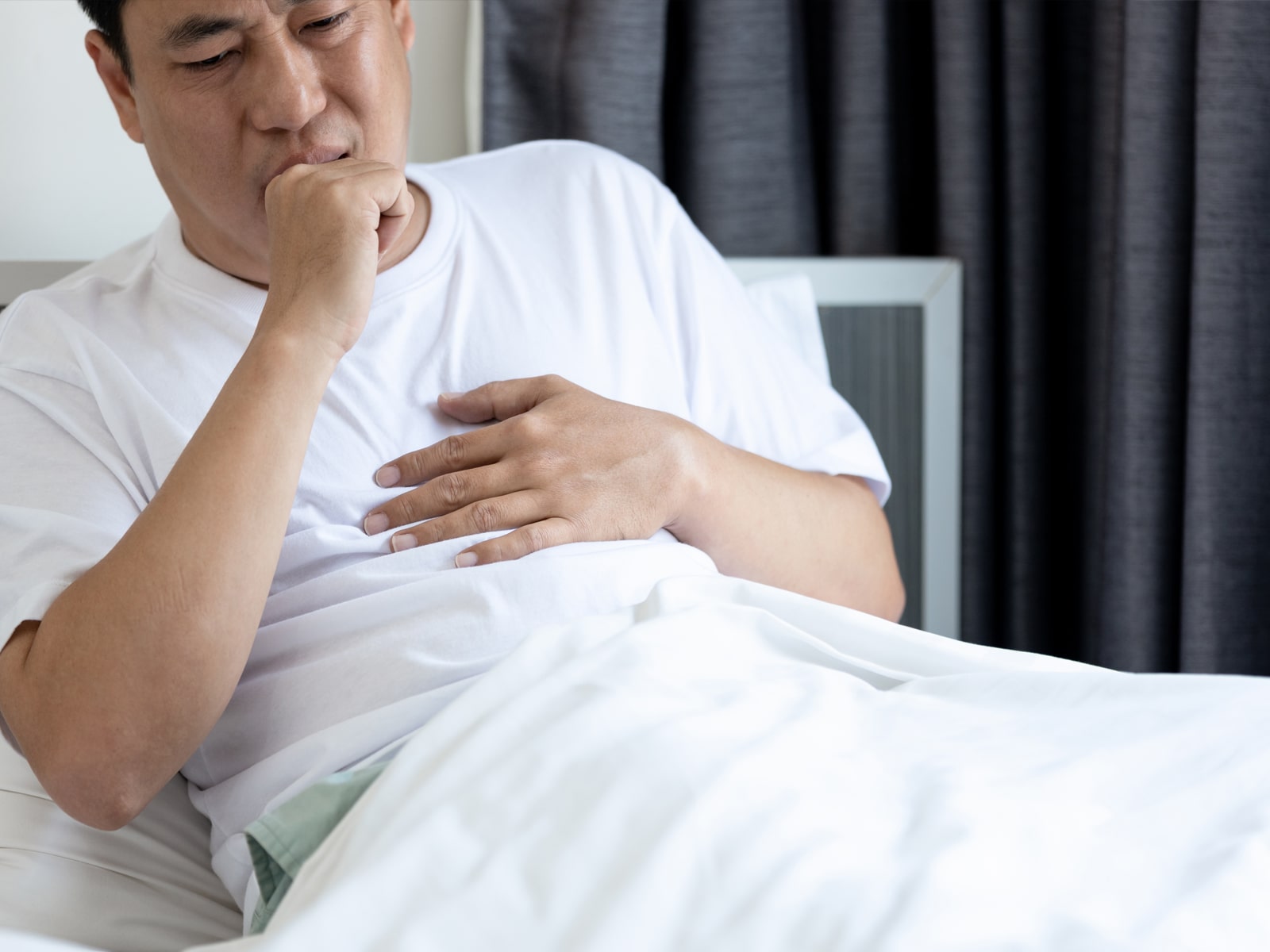








Acute Self-Limited Infectious Colitis (ASLC) is an acute inflammatory disease of the colon, which is a result of infection. Acute means it literally occurs fast, and self-limited refers to it being resolved in a few days to weeks, and no long term effect on the part of the occurrence.
You may notice:
ASLC usually starts after an infection from:
In the case of acute self-limited colitis, our gastroenterologists in GastroDoxs, Cypress, are highly qualified. Our personalized treatment plans include advanced diagnostics, evidence-based treatments, and nutrition to make sure that you are given the opportunity to recover as fast and comfortably as possible. Make your appointment now, and leave the rest of our caring team to serve you throughout.
We've successfully treated more than 1.5K patients, helping individuals improve their digestive health and overall well-being through expert, personalized care.
With over 20 years of experience, GastroDoxs has been a trusted provider of gastroenterology care, focusing on delivering the best outcomes for patients
Dr. Bharat Pothuri is a board-certified expert in Gastroenterology and Hepatology with extensive training and expertise in both digestive health and liver diseases.
He is deeply committed to providing personalized care, focusing on understanding each patient’s unique needs. His approach combines advanced diagnostic techniques with tailored treatment plans to ensure the best possible outcomes. Patients appreciate his compassionate care and thorough approach, and many express high satisfaction with the improvements they experience in their digestive and liver health under his expert guidance.
Common triggers of acute self-limited colitis include infections (bacterial, viral, or parasitic), certain medications (especially antibiotics), food poisoning, contaminated water, sudden dietary changes, and stress.
Most individuals begin to recover within 3–14 days after receiving appropriate care such as rehydration, rest, and supportive treatment.
Diagnosis typically involves a medical history review, physical examination, stool tests to detect pathogens, blood tests for inflammation, and occasionally a colonoscopy to rule out chronic conditions.
ASLC is a short-term, acute inflammation of the colon often caused by temporary factors like infection. Ulcerative colitis, however, is a long-term autoimmune condition that requires ongoing management.
If you experience ongoing bleeding, fever, dehydration, or symptoms lasting more than two weeks, it's important to consult a gastroenterologist promptly.
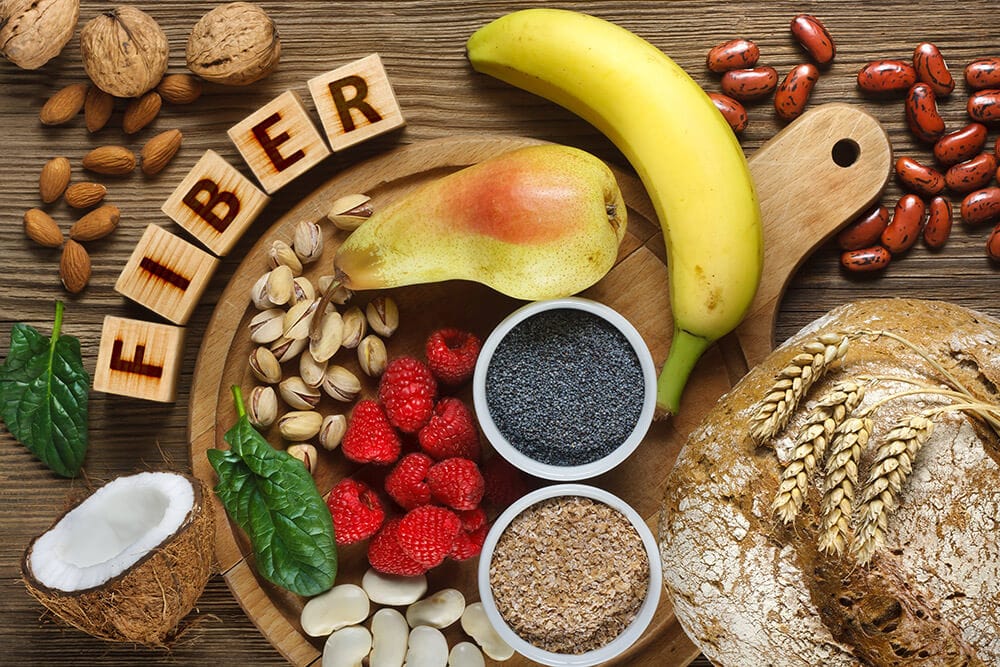
Yes. Starting with clear fluids and gradually introducing bland, low-fiber foods like bananas, rice, applesauce, and toast (BRAT diet) can help calm the colon and promote healing.
No. Most adults recover fully from acute self-limited colitis without lasting effects if treated properly and promptly.
Yes. Antibiotics can disrupt the natural gut flora, potentially leading to inflammation and symptoms of acute self-limiting colitis.
Yes, ASLC can be contagious if the cause is an infectious agent. Prevention includes practicing good hand hygiene, safe food handling, and drinking clean water.
Most patients start to feel significantly better within a few days of rehydration, dietary adjustments, rest, and any necessary medications.