
Fatty Liver Disease
Fatty liver disease often causes no symptoms, but it can signal metabolic stress and possible liver inflammation. GastroDoxs GutDefense Pathway™ helps patients understand abnormal liver tests, imaging findings, and the safest next step.

Fatty Liver Quick Answers
Essential facts about fatty liver, symptoms, risk, and next steps
What is fatty liver disease?
Fatty liver disease means extra fat is stored in liver cells. It may be harmless in some patients, but others develop inflammation or scarring.
Can fatty liver happen without symptoms?
Yes. Fatty liver is often silent and may be found only through blood tests, ultrasound, CT, MRI, or elastography.
Can fatty liver be improved?
Many patients can improve liver fat and risk factors with weight loss when appropriate, diabetes control, cholesterol management, nutrition changes, and monitoring.
Use these quick answers as education only; diagnosis and treatment depend on a clinician evaluation.
GastroDoxs GutGuardians™
Your guardians. GastroDoxs GutGuardians™ is our team of gastroenterologists board-certified by the American Board of Internal Medicine (ABIM) - a physician-led defense force of specialists, systems, and solution pathways working together to protect, detect, solve, and defend your digestive health through expert GI evaluation, advanced diagnostic screening, and endoscopic evaluation - commanded from your first concern to your last follow-up, and every critical stage in between.
GastroDoxs GutDefense Pathway™
Your complete arc. The GastroDoxs GutDefense Pathway™ is your complete operational framework - a structured patient journey that connects digestive health awareness, education, screening, prevention, diagnosis, and treatment into one seamless gastroenterologist-commanded arc led by ABIM board-certified physicians, guided by expert GI care from your first concern to lasting gut health for life.
How Fatty Liver Develops
What happens in the body and why the pattern matters
Silent Liver Finding
Fatty liver may not cause pain, so abnormal labs or imaging findings should be interpreted in context.
Metabolic Connection
Insulin resistance, diabetes, cholesterol problems, and weight-related risk often overlap with fatty liver.
Inflammation Question
The key question is whether liver fat is causing inflammation or scarring risk.
Long-Term Monitoring
Follow-up may include labs, imaging, fibrosis testing, and risk-factor management.
Fatty Liver can overlap with other digestive or metabolic conditions, so symptom pattern and testing matter.
Fatty Liver Pattern Matrix
What different patterns may mean
| Pattern | Why It Matters | Possible Next Step |
|---|---|---|
| Fatty liver seen on ultrasound | Confirms liver fat but not the full scarring stage | Review labs and consider fibrosis-risk assessment |
| Fatty liver with diabetes or high triglycerides | Higher risk for inflammation and fibrosis | GI/liver evaluation and metabolic risk plan |
| Jaundice, swelling, confusion, or bleeding signs | May suggest advanced liver disease | Prompt medical evaluation |
What Causes Fatty Liver?
Common causes, risk factors, and related conditions
Insulin Resistance
Insulin resistance can drive fat storage in the liver and is common in type 2 diabetes and prediabetes.
Weight and Waist Circumference
Excess abdominal weight can increase liver fat and inflammation risk, though fatty liver can occur in lean patients too.
Alcohol and Medication Effects
Alcohol and some medications can contribute to liver fat or liver irritation and should be reviewed carefully.
Other Liver Conditions
Hepatitis, autoimmune liver disease, iron overload, and other causes may need to be ruled out when labs are abnormal.
The exact cause is not always clear from symptoms alone. Testing and clinical context help guide next steps.
How Fatty Liver is Diagnosed
Evaluation, testing, and follow-up planning
Liver Blood Tests
ALT, AST, bilirubin, alkaline phosphatase, platelets, albumin, INR, glucose, A1c, and lipid tests help frame liver and metabolic risk.
Ultrasound or Imaging Review
Ultrasound, CT, MRI, or elastography may identify liver fat and help assess whether scarring is possible.
Fibrosis Assessment
FibroScan, transient elastography, MRI elastography, or lab-based scores can help estimate liver stiffness or scarring risk.
Cause Exclusion
A clinician may test for hepatitis, iron overload, autoimmune liver disease, medication injury, and alcohol-related liver disease when appropriate.
Testing depends on symptoms, risk level, prior results, and urgency.
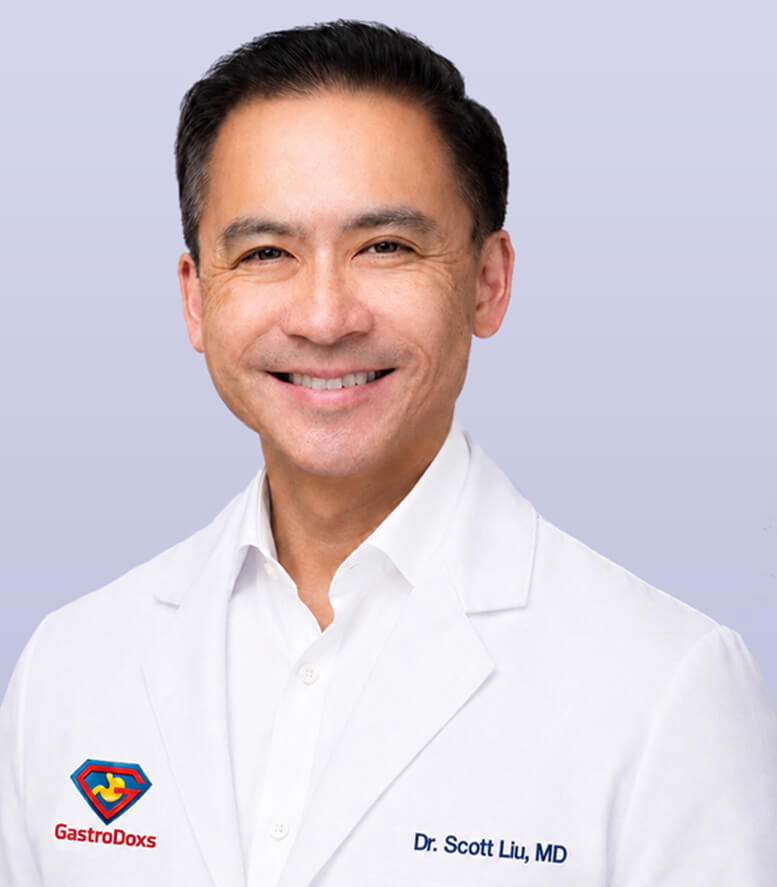
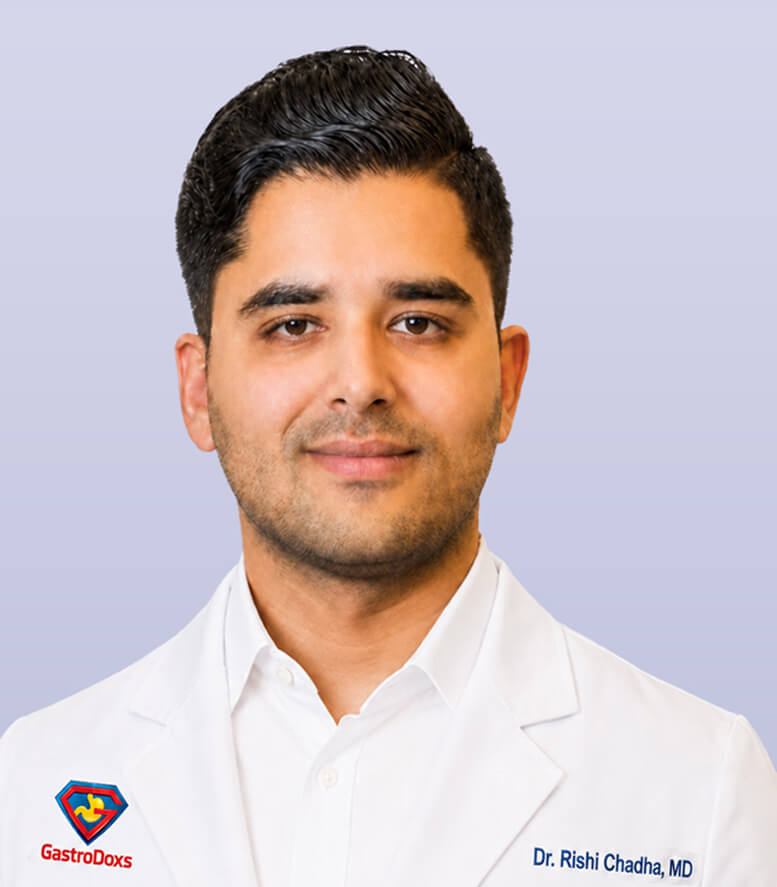
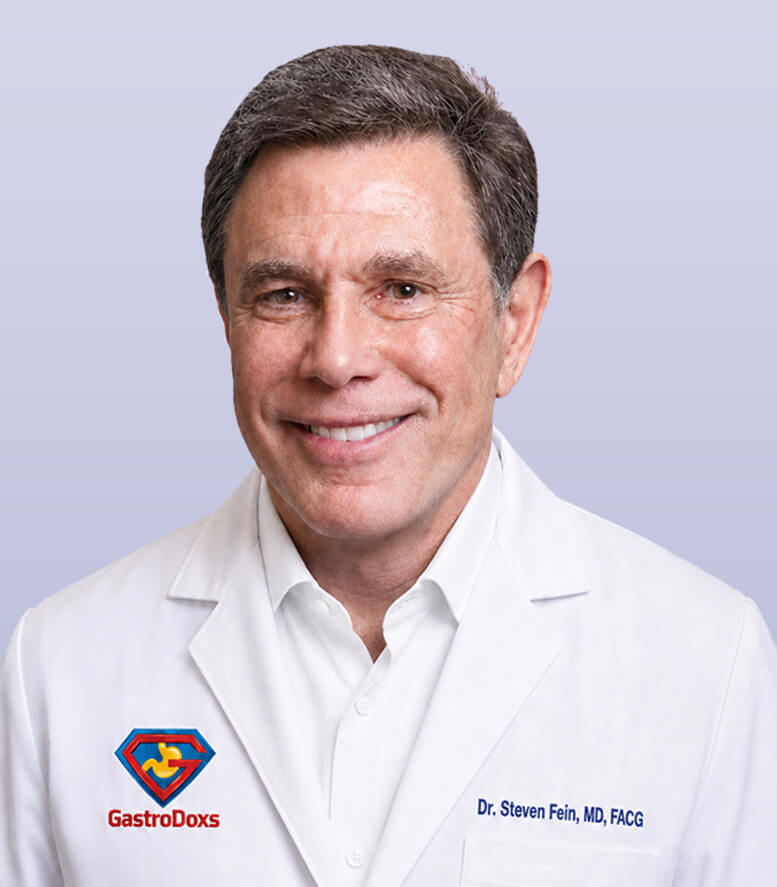
Our Expert Gastroenterologists
GastroDoxs helps patients review fatty liver imaging, liver enzyme changes, fibrosis risk, metabolic drivers, and monitoring plans.






Fatty Liver Care Access
GastroDoxs helps patients review fatty liver imaging, liver enzyme changes, fibrosis risk, metabolic drivers, and monitoring plans.
Frequently Asked Questions About Fatty Liver
Common questions about symptoms, causes, diagnosis, warning signs, and next steps
Fatty liver disease means extra fat has built up in liver cells. A clinician can help confirm what it means in your situation.
Common contributors may include insulin resistance; weight and waist circumference; alcohol and medication effects. The exact cause depends on symptoms, labs, medications, imaging, history, and risk factors.
Symptoms or clues may include abnormal liver enzymes; right upper abdominal discomfort; metabolic risk pattern. Red flags such as bleeding, severe pain, jaundice, persistent vomiting, or unexplained weight loss should be checked promptly.
Symptoms or clues may include abnormal liver enzymes; right upper abdominal discomfort; metabolic risk pattern. Red flags such as bleeding, severe pain, jaundice, persistent vomiting, or unexplained weight loss should be checked promptly.
Common contributors may include insulin resistance; weight and waist circumference; alcohol and medication effects. The exact cause depends on symptoms, labs, medications, imaging, history, and risk factors.
Common contributors may include insulin resistance; weight and waist circumference; alcohol and medication effects. The exact cause depends on symptoms, labs, medications, imaging, history, and risk factors.
That question depends on your symptoms, medical history, labs, imaging, and risk factors. GastroDoxs can help review whether fatty liver disease needs GI evaluation, testing, monitoring, or referral.
That question depends on your symptoms, medical history, labs, imaging, and risk factors. GastroDoxs can help review whether fatty liver disease needs GI evaluation, testing, monitoring, or referral.
That question depends on your symptoms, medical history, labs, imaging, and risk factors. GastroDoxs can help review whether fatty liver disease needs GI evaluation, testing, monitoring, or referral.
Evaluation may include liver blood tests; ultrasound or imaging review; fibrosis assessment; cause exclusion. Testing is selected based on symptoms, risk level, prior results, and warning signs.
Evaluation may include liver blood tests; ultrasound or imaging review; fibrosis assessment; cause exclusion. Testing is selected based on symptoms, risk level, prior results, and warning signs.
That question depends on your symptoms, medical history, labs, imaging, and risk factors. GastroDoxs can help review whether fatty liver disease needs GI evaluation, testing, monitoring, or referral.
Treatment for fatty liver disease depends on the cause and severity. Care may include lifestyle changes, medication review, nutrition planning, monitoring, procedures, or referral when needed.
See a gastroenterologist when fatty liver disease is persistent, unexplained, recurrent, linked with abnormal tests, or paired with digestive warning signs. Urgent symptoms should not wait for a routine visit.
That question depends on your symptoms, medical history, labs, imaging, and risk factors. GastroDoxs can help review whether fatty liver disease needs GI evaluation, testing, monitoring, or referral.
Fatty liver is often silent.
Fatty liver is often silent. If imaging or blood work suggests liver fat, schedule a GI/liver evaluation to understand risk and next steps.