
Brookshire Cypress Fulshear Jersey Village Katy
1.9K Reviews    |   
4.7 Star Rating    |    20+ years of experience    |    75k+ Patients Treated
Call
Add as preferred source

Transient Elastography

Transient elastography, often known as FibroScan, is a non-invasive liver test that measures liver stiffness. It helps gastroenterologists evaluate fibrosis risk, fatty liver disease concerns, and whether additional liver testing may be needed. Through the GastroDoxs GutDefense Pathway™, patients receive clear guidance from diagnostic evaluation to risk assessment and follow-up care planning.
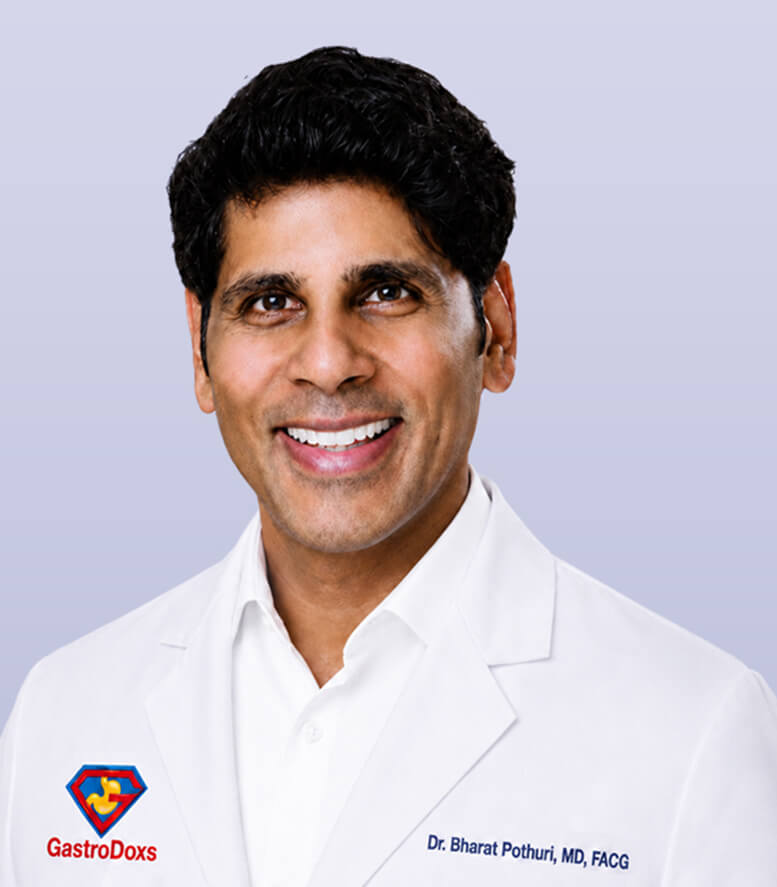
Dr. Bharat Pothuri Medically Reviewed by Dr. Bharat Pothuri, MD, FACG  |  Updated 06-01-2026
FibroScan Liver stiffness Fibrosis risk Board-Certified Gastroenterologist

What Is Transient Elastography?

Transient elastography is a quick, non-surgical test that uses vibration and ultrasound-based technology to estimate how stiff the liver is. A stiffer liver may suggest scarring, also called fibrosis.

Many patients know this test by the brand name FibroScan. It is often used when a doctor is evaluating fatty liver, high liver enzymes, hepatitis history, alcohol-related liver risk, or possible cirrhosis.

FibroScan does not remove tissue and does not require sedation. It gives your doctor objective information that can be reviewed with your labs, symptoms, and imaging history.

Understanding FibroScan

FibroScan does not remove tissue and does not require sedation. It gives your doctor objective information that can be reviewed with your labs, symptoms, and imaging history.

shield

GastroDoxs GutGuardians™

Your guardians. GastroDoxs GutGuardians™ is an elite team of board-certified gastroenterologists - a physician-led defense force of specialists, systems, and solution pathways working together to protect, detect, solve, and defend your digestive health through expert GI evaluation, advanced diagnostic screening, and endoscopic evaluation - commanded from your first concern to your last follow-up, and every critical stage in between.

route

GastroDoxs GutDefense Pathway™

Your complete arc. The GastroDoxs GutDefense Pathway™ is your complete operational framework - a structured patient journey that connects digestive health awareness, education, screening, prevention, diagnosis, and treatment into one seamless board-certified gastroenterologist-commanded arc, guided by expert GI care from your first concern to lasting gut health for life.

Why Is Transient Elastography Ordered?

Doctors may order transient elastography before severe liver symptoms appear because liver disease can progress silently. Abnormal ALT, AST, or other liver labs may need fibrosis assessment.

FibroScan

Liver stiffness

Fibrosis

Fatty liver disease

Cirrhosis risk

Abnormal liver enzymes

How Gastroenterologists Decide on Transient Elastography

The decision to recommend Transient Elastography is based on symptoms, medical history, exam findings, lab results, imaging, prior testing, medication response, and the goal of the evaluation. This helps ensure the procedure or test is clinically appropriate and connected to a clear next step.

What Can Transient Elastography Help Evaluate?

The test helps your doctor understand liver stiffness and fatty liver risk, but results should be interpreted with your full clinical picture. Higher stiffness can suggest fibrosis, inflammation, or other liver-related changes.

FibroScan

Liver stiffness

Fibrosis

Fatty liver disease

Cirrhosis risk

Abnormal liver enzymes

How Results Are Interpreted

Results from Transient Elastography are reviewed in context with your symptoms, risk factors, prior testing, and clinical history. Your gastroenterologist explains whether results suggest monitoring, treatment, additional testing, or follow-up care.

Transient Elastography Alternatives and Related Testing

Transient Elastography may be one part of a broader digestive health evaluation. Depending on the concern, alternatives or related tests may include blood work, stool testing, imaging, endoscopy, ultrasound-based testing, or follow-up monitoring. Your gastroenterologist helps choose the most appropriate option.

Who May Need Transient Elastography

Your doctor may recommend Transient Elastography based on symptoms, risk factors, prior test results, or the need for a clearer diagnosis.

Patients with FibroScan

Patients with Liver stiffness

Patients with Fibrosis

Patients with Fatty liver disease

Patients with Cirrhosis risk

Patients with Abnormal liver enzymes

Is FibroScan the Same as Transient Elastography?

FibroScan is a common brand name for transient elastography. Both terms are often used when discussing non-invasive liver stiffness testing.

Patient Journey: Before a FibroScan, Most Patients Have Similar Questions

It is common for patients to feel uncertain about what liver stiffness results may show and how they relate to fatty liver disease or fibrosis risk. Transient elastography is often recommended after abnormal liver enzyme tests or when metabolic risk factors suggest possible liver disease.

Once the purpose of the test is clearly understood, FibroScan becomes a straightforward step in evaluating liver health and determining whether further assessment is needed.

Benefits of Transient Elastography

Transient Elastography can provide useful information about digestive or liver health and may help your gastroenterologist plan the next step.

Helps evaluate fibroscan

Helps evaluate liver stiffness

Helps evaluate fibrosis

Helps evaluate fatty liver disease

Helps evaluate cirrhosis risk

Helps evaluate abnormal liver enzymes

Possible Risks of Transient Elastography

Transient Elastography is generally safe when performed or supervised by trained GI specialists, but every procedure or test has considerations based on your health history, medications, and reason for evaluation.

When Should You Talk to a GI Specialist?

Talk to a gastroenterologist if symptoms persist, results are unclear, or your doctor recommends Transient Elastography for diagnosis, monitoring, or treatment planning.

Related Liver Health Topics

Transient elastography is often part of a broader liver evaluation. Learn how fatty liver is evaluated and monitored.

Learn about fatty liver

Learn about liver ultrasound

Learn about liver enzymes

What to Expect

Learn preparation, procedure-day expectations, recovery, and how results may be discussed.

Schedule Transient Elastography

Review appointment, location, insurance, and scheduling details.

FibroScan

Learn how fibroscan may relate to digestive or liver evaluation.

Transient Elastography Prep Overview

Quick Answer: What should patients know before FibroScan?

You may be asked to avoid food before the test, wear comfortable clothing, and bring recent lab or imaging results. Follow the instructions from your care team.

Watch this overview in the bottom half of the page, then follow the written instructions from your GastroDoxs care team for your exact prep timing, medication guidance, arrival time, and transportation plan.

Transient Elastography Video Instructions

You may be asked to avoid food before the test, wear comfortable clothing, and bring recent lab or imaging results. Follow the instructions from your care team.

Where to Learn the Next Step

Want procedure-day details?Review the full guide for preparation, procedure-day expectations, recovery, and how results are discussed. Learn more
Ready to discuss scheduling?If Transient Elastography may be appropriate, use the scheduling page to understand appointment options. Learn more

Frequently Asked Questions

Answers are reviewed for clinical accuracy based on standard gastroenterology practice guidelines.

What is transient elastography, and what does the test actually measure?

Transient elastography is a non-invasive liver test that measures liver stiffness. Stiffness can suggest fibrosis or scarring. Some devices also estimate liver fat.

Why would a doctor order transient elastography instead of waiting for more symptoms?

Liver disease may progress quietly. A doctor may order transient elastography when liver enzymes, fatty liver risk, hepatitis history, alcohol use, diabetes, or imaging results suggest possible fibrosis.

How should I prepare for a transient elastography test, and do I need to fast?

Many patients are asked to avoid eating for a few hours before the test. Follow your clinic instructions, because timing may vary based on your health history.

Is transient elastography painful, and how long does the test take?

The test is not usually painful. You may feel light taps or vibrations on the right side of your abdomen. The scan often takes about 10 to 20 minutes.

How does FibroScan help diagnose fatty liver and liver scarring?

FibroScan uses transient elastography to estimate liver stiffness and, when available, liver fat. This helps doctors assess fatty liver, fibrosis risk, and the need for follow-up.

What kind of doctor should I see if I need a FibroScan for high liver enzymes?

A gastroenterologist or liver specialist can evaluate high liver enzymes, review risk factors, order FibroScan when appropriate, and explain what the score means.

When should I see a liver specialist instead of just getting a FibroScan test?

See a liver specialist if you have rising liver enzymes, jaundice, abnormal imaging, known hepatitis, cirrhosis risk, heavy alcohol use, diabetes with fatty liver, or concerning symptoms.

What can a FibroScan diagnose?

FibroScan can help assess liver stiffness linked with fibrosis or cirrhosis risk. It can also help estimate liver fat when CAP measurement is available.

What are the first signs of cirrhosis of the liver?

Early cirrhosis may have no symptoms. Possible warning signs include fatigue, easy bruising, swelling, jaundice, confusion, dark urine, itching, or fluid buildup.

What does fatty liver feel like?

Fatty liver often causes no symptoms. Some people report fatigue, right upper abdominal discomfort, or a heavy feeling, but testing is needed to understand liver health.

Wondering If You Need Transient Elastography?

A gastroenterology evaluation can help determine whether FibroScan, liver ultrasound, blood work, or another test is the right next step.