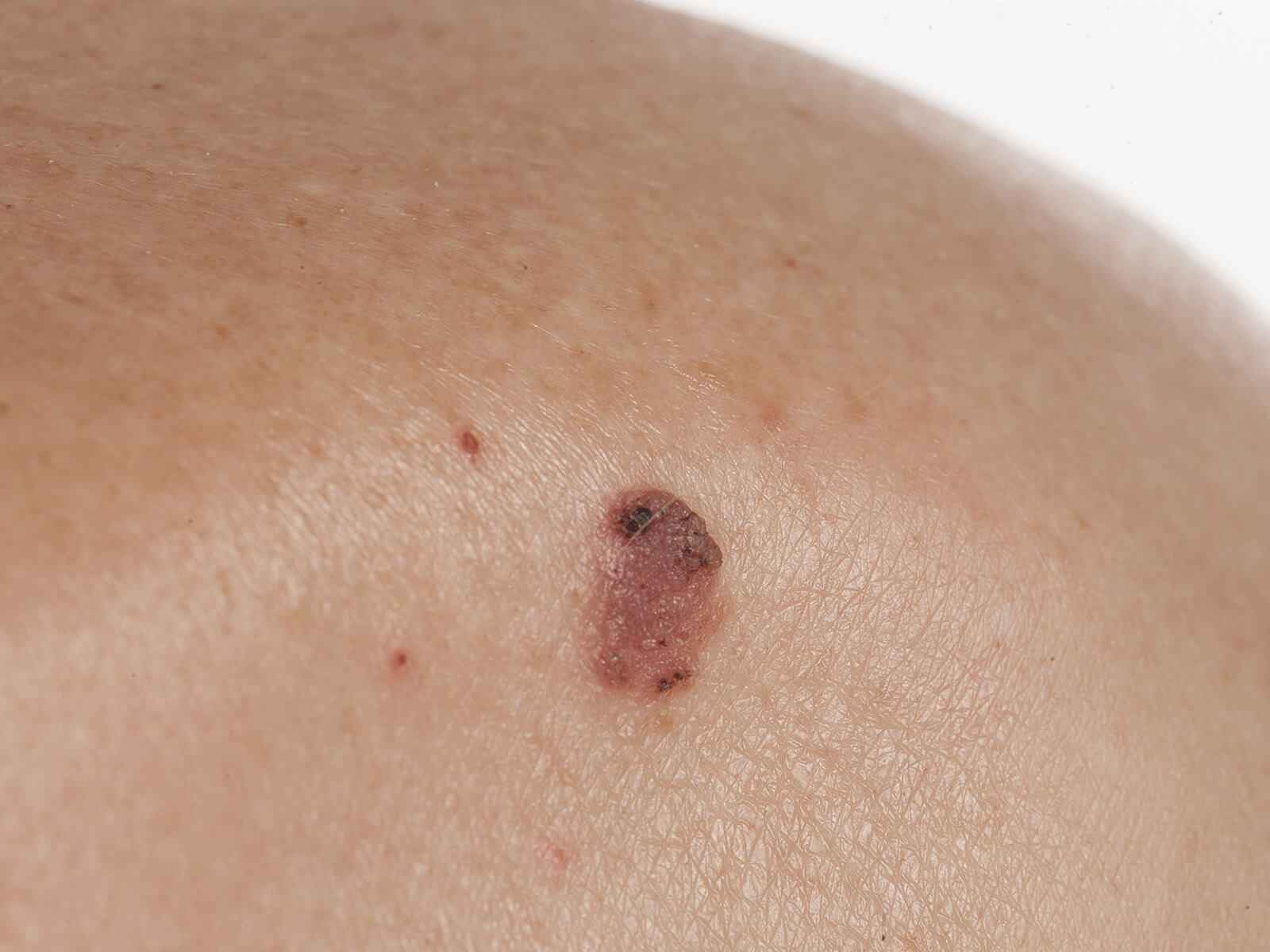








Sessile serrated lesions (SSLs) refer to a flat or low raised polyp that grows on the colonic lining. When viewed under the microscope they seem as a saw-tooth. Although they are benign during their early phases of development, they could lead to the colon cancer after some time unless they are detected and eliminated at an early age.
Most of the SSLs lack symptoms which are observable. Symptoms may include when they arise:
Though it is not explicitly stated how all factors that causeSSLs, the following causes leave you vulnerable:
GastroDoxs in Jersey Village offers an excellent screening procedure, harmless lesion excision, or individualized follow-up plan, to keep the colon healthy with the use of an approach to patients and the most modern GI technology. We have registered doctors and caring employees who make it easy and stress free regarding early detection. Wait-Don’t wait-get your colonoscopy or your consultation today and be in control of your digestive health.
We've successfully treated more than 48K patients, helping individuals improve their digestive health and overall well-being through expert, personalized care.
With over 20 years of experience, GastroDoxs has been a trusted provider of gastroenterology care, focusing on delivering the best outcomes for patients
Dr. Bharat Pothuri is a Board-Certified Gastroenterologist and Hepatologist. With extensive experience in digestive health, he specializes in advanced endoscopic procedures, chronic GI disorder management, and preventive care. Dr. Pothuri is dedicated to providing expert, patient-focused insights to help improve gut health and overall well-being.
Under the microscope, sessile serrated lesion is a slight raised or a flat mucus colony in the colon which has a saw-tooth appearance and can proceed to cancer unless it is removed early.
Even though these lesions are benign in nature when first diagnosed, they can turn out to be colon cancer with time as long as they are not diagnosed and removed as early as possible.
Indeed, that jagged road that the SSLs travel along can lead to cancer faster than the polyps of other types, and it is therefore worthwhile to excise and follow them.
High-grade dysplasia implies that the cells in the tissues that have been excised seem to be more abnormal when viewed under the microscope which is the signifier of a greater risk of cancer.
The occurrence of presence of the SSLs is detected by colonoscopy in the shape of high-resolution examination and scrutiny of the colon mucosa.
Most of the sessile serrated lesions are excised during the colonoscopy procedure by snaring the polyp using a wire loop, or endoscopic mucokinal resection (EMR).
As the procedure may lead to mild bleeding or cramping, even though there are no high chances of severe complications in case of the experienced GI specialists, the procedure should be excluded.
The follow up colonoscopy procedure is normally recommended after 3-5 years but this is based on the size, number and the outcome of the pathology of the lesion excised.
Yes, diet of high fiber, physical exercise, stop smoking, intake of red meat can be employed in decreasing the threat of acquiring new SSLs.
Board-certified Jersey Village gastroenterologists use state of the art equipment and customized treatment to diagnose, ablate and monitor SSLs to ensure that you have a comfortable stay.