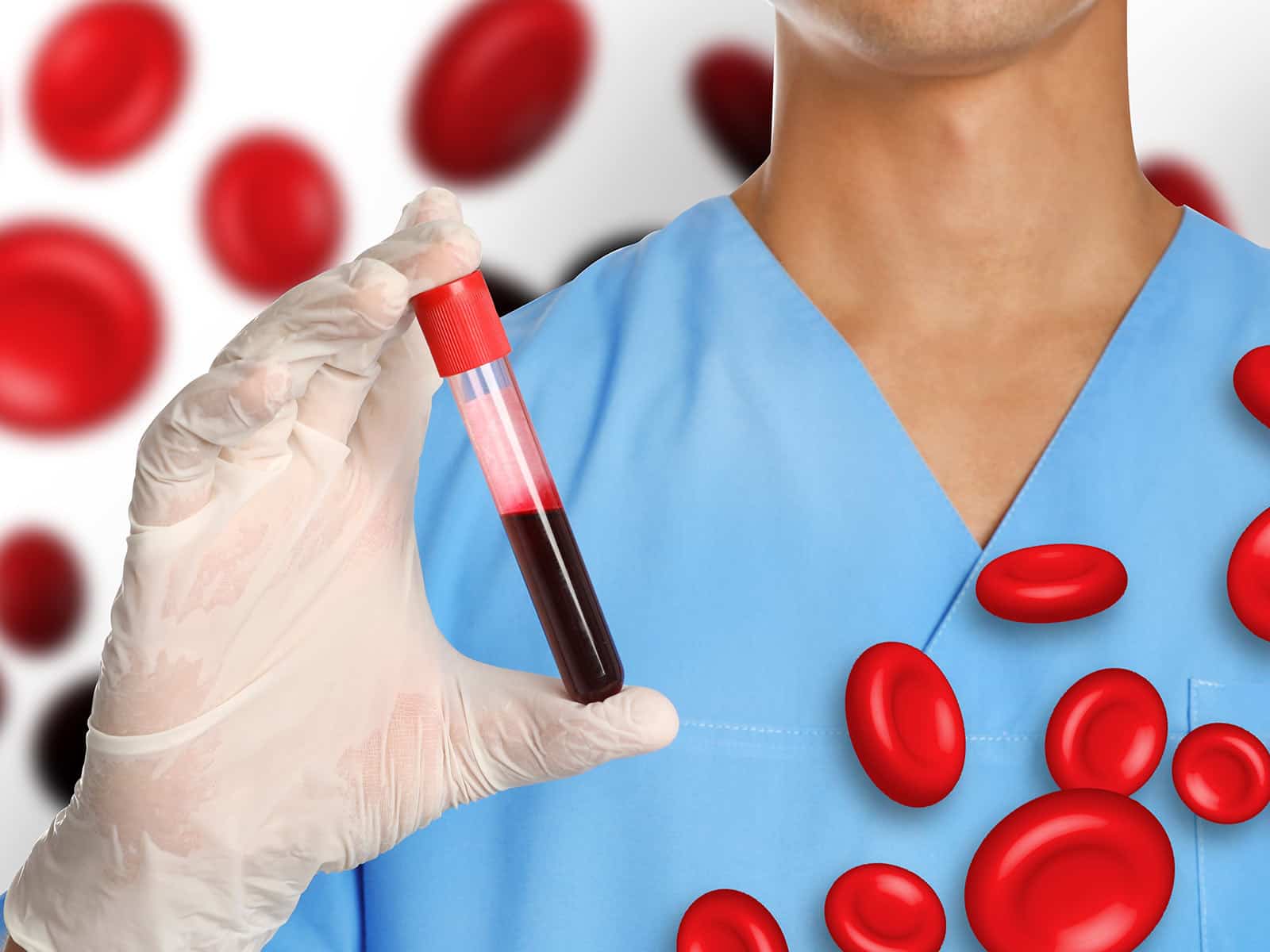








Blood loss acute anemia occurs when your body loses a large amount of blood at once, threatening the sudden reduction in the level of red blood cells and the insufficiency of the supply of oxygen to the organs of the body. The condition may occur during hours or minutes after surgery, trauma, internal bleeding, or other serious hemorrhagic reasons and needs to be reviewed and addressed as soon as possible.
The symptoms usually come out in a sudden manner and may involve:
Severe blood loss anemia may come about due to some sources such as:
Weakness, dizzy, or struggling after a bleeding up episode, do not delay-find expert tending to you today. Our board certified gastroenterologists at GastroDoxs in Jersey Village will have you assessed quickly and perform needed tests and will be able to create an individualized system of therapy be it IV fluids, blood transfusion, iron therapy, or endoscopy. Make a reservation today and renew your health and your strength.
We've successfully treated more than 472 patients, helping individuals improve their digestive health and overall well-being through expert, personalized care.
With over 20 years of experience, GastroDoxs has been a trusted provider of gastroenterology care, focusing on delivering the best outcomes for patients
Dr. Bharat Pothuri is a Board-Certified Gastroenterologist and Hepatologist. With extensive experience in digestive health, he specializes in advanced endoscopic procedures, chronic GI disorder management, and preventive care. Dr. Pothuri is dedicated to providing expert, patient-focused insights to help improve gut health and overall well-being.
When the blood is lost speedily the symptoms may start within hours. Slower bleeding can cause you to experience fatigue, dizziness or Argentine breathing within a day or two.
Seek medical attention immediately, in case of abnormal weakness, lightheadedness, or shortness of breath, particularly after an event of surgery, trauma, or so on, releasing of blood.
Yes. In case of severe blood loss anemia, there may be a shock, lack of oxygen, damage to organs and formation of life-threatening complications which can be fatal without immediate treatment.
Acute anemia due to blood loss is an ICD-9 diagnosis code of 285.1.
ACFI acute blood loss anemia including postoperative cases is an ICD-10 code of D62.
Yes. Even small the amounts of gastrointestinal bleeding may add up over days or weeks and cause clinically relevant anemia.
Not always. It will depend on the dropping of your red blood cell count, the symptoms as well as the response to the IV fluids or iron treatment.
Acute on chronic anemia arises when one is suddenly beheaded (acute anemia) to a person who is already experiencing long-term or chronic anemia.
Hemorrhoid affects pin nosebleeds, which are unlikely to occur but may result in acute anemia in the long term due to sufficient amounts of blood loss.
Majority of patients report to feel more energized and to have had fewer symptoms after a few days of transfusion or iron supplementation.