1.9K Reviews | 4.7 Star Rating | 20+ years of experience | 72k+ Patients Treated
Proctalgia Fugax Doctor - Dr. Scott Liu
Dr. Scott, GastroDoxs, Houston: have safe fast remedy of sudden anal spasms. Proctalgia fugax, which is as a result of abrupt spasms of the pelvic-floor muscles, is a condition that is amenable to skilled treatment. Learn about lifestyle changes, drugs and other sophisticated treatments that will put the night pain to an end.
Dr. Scott Liu, MD, is a board-certified gastroenterologist with over six years of experience and a background in military medicine. He earned his medical degree from the University of Maryland, Baltimore, completed his Internal Medicine residency at Naval Medical Center Portsmouth, and finished his Gastroenterology fellowship through the National Capital Consortium. Dr. Liu provides comprehensive care for a broad range of digestive conditions, including abdominal pain, acid reflux, liver disease, chronic diarrhea, and colon cancer screening. He is a member of the American College of Gastroenterology and is known for his disciplined, patient-focused approach and clear communication.
Common Causes and Risk Factors
Muscle spasms in the pelvic floor
Stress or anxiety
Irregular bowel habits
Recent anal injury or surgery
Most common in adults over 30
Signs and Symptoms
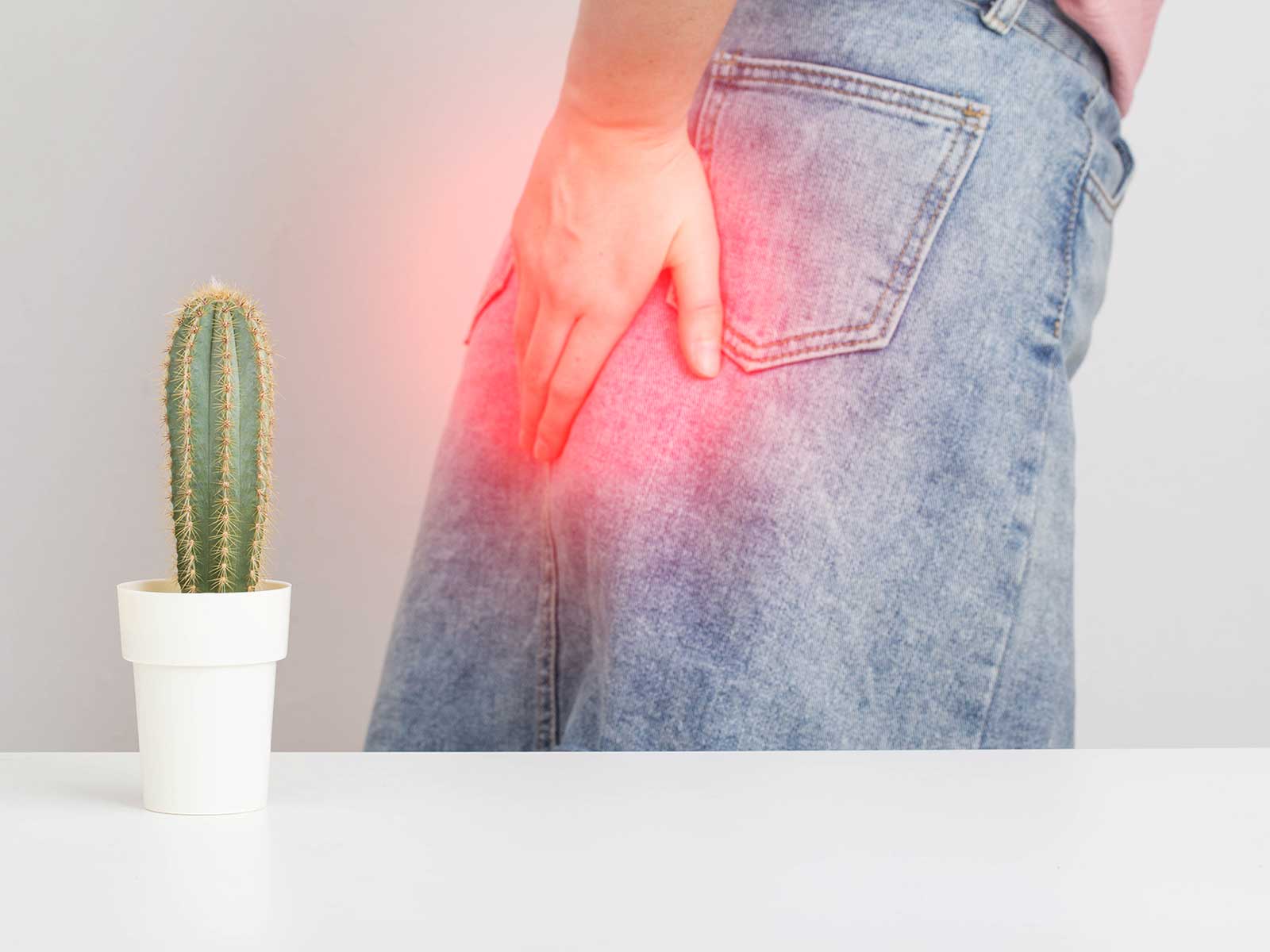
Sharp, sudden rectal pain that comes and goes
Pain episodes lasting seconds to minutes
Pain that may wake you at night
No lasting damage to rectal tissues
No blood in the stool
How Dr. Scott Diagnoses Proctalgia Fugax?
Dr. Scott uses a step-by-step approach:
Medical History and Symptom Review
He talks about the onset of your pain, how often, how long and what factors-stress, bowel movements or recent injuries.
Physical and Anorectal Examination
The mild digital rectal examination and pelvic-floor examination are going to help eliminate fissures, hemorrhoids, or other structural defects.
Functional Testing
Anorectal manometry to measure sphincter pressures and detect pelvic‐floor spasms.
Balloon expulsion test evaluates coordination of rectal evacuation.
Additional Imaging (if indicated)
Endoanal ultrasound or MRI could rarely be ordered to rule out minor structural defects.
Treatment
Our Team offers a full range of care for Proctalgia Fugax.
Lifestyle and Diet Modifications
Take more water to maintain soft stools.
Consume high-fiber foods such as fruits, vegetable foods and whole grains.
Do pelvic-floor relaxation exercises and stretching.
Avoid stress through yoga, breathing exercises or meditation.
Medications
Muscle relaxants to relieve severe spasms are prescribed.
Nonprescription pain killers including acetaminophen or ibuprofen.
Topical ointments (nitroglycerin or calcium-channel blockers) to smooth anal muscles.
Minimal Invasive or advanced operations
To relax pelvic hyperactive muscles, Botox injections are administered into them.
Biofeedback therapy to learn their better muscle control and lessen spasms.
Dr. Scott Liu, MD, is a board-certified gastroenterologist with over six years of experience and a background in military medicine. He earned his medical degree from the University of Maryland, Baltimore, completed his Internal Medicine residency at Naval Medical Center Portsmouth, and finished his Gastroenterology fellowship through the National Capital Consortium. Dr. Liu provides comprehensive care for a broad range of digestive conditions, including abdominal pain, acid reflux, liver disease, chronic diarrhea, and colon cancer screening. He is a member of the American College of Gastroenterology and is known for his disciplined, patient-focused approach and clear communication.
Frequently Asked Questions
What can I do to obtain temporary relief at home?
The warm baths, mild stretching of the pelvic-floor, and other stress-relieving measures such as the deep breaths can also alleviate the spasms in a short period.
Is proctalgia fugax a dangerous proctalgia?
No. It usually does not cause any harm and it is self-limiting, however, care should be sought once the pain has gone on to a duration greater than 20 minutes or when there is bleeding.
Is proctalgia fugax the cause of cancer?
No. Sharp rectal spasms are not cancer causing. The presence of blood in feces justifies checking to eliminate other disorders.
What are the available treatments?
Dr. Scott prescribes lifestyle and diet therapy, muscle relaxants, topical creams, Botox injection and biofeedback therapy to manage symptoms.
How long before I feel better?
Numerous patients report to feel greatly relieved in just few days to few weeks after adhering to a personalized care plan.
Is proctalgia fugax genetic?
There is no powerful genetic relationship. More common triggers are stress, muscle tension and irregular bowel patterns.
Will I need special tests?
Usually not. The atypical or persistent cases are left to painless tests such as anorectal manometry or pelvic ultrasound.