1.9K Reviews | 4.7 Star Rating | 20+ years of experience | 72k+ Patients Treated
Pelvic Pain Gastroenterologist - Dr. Scott Liu
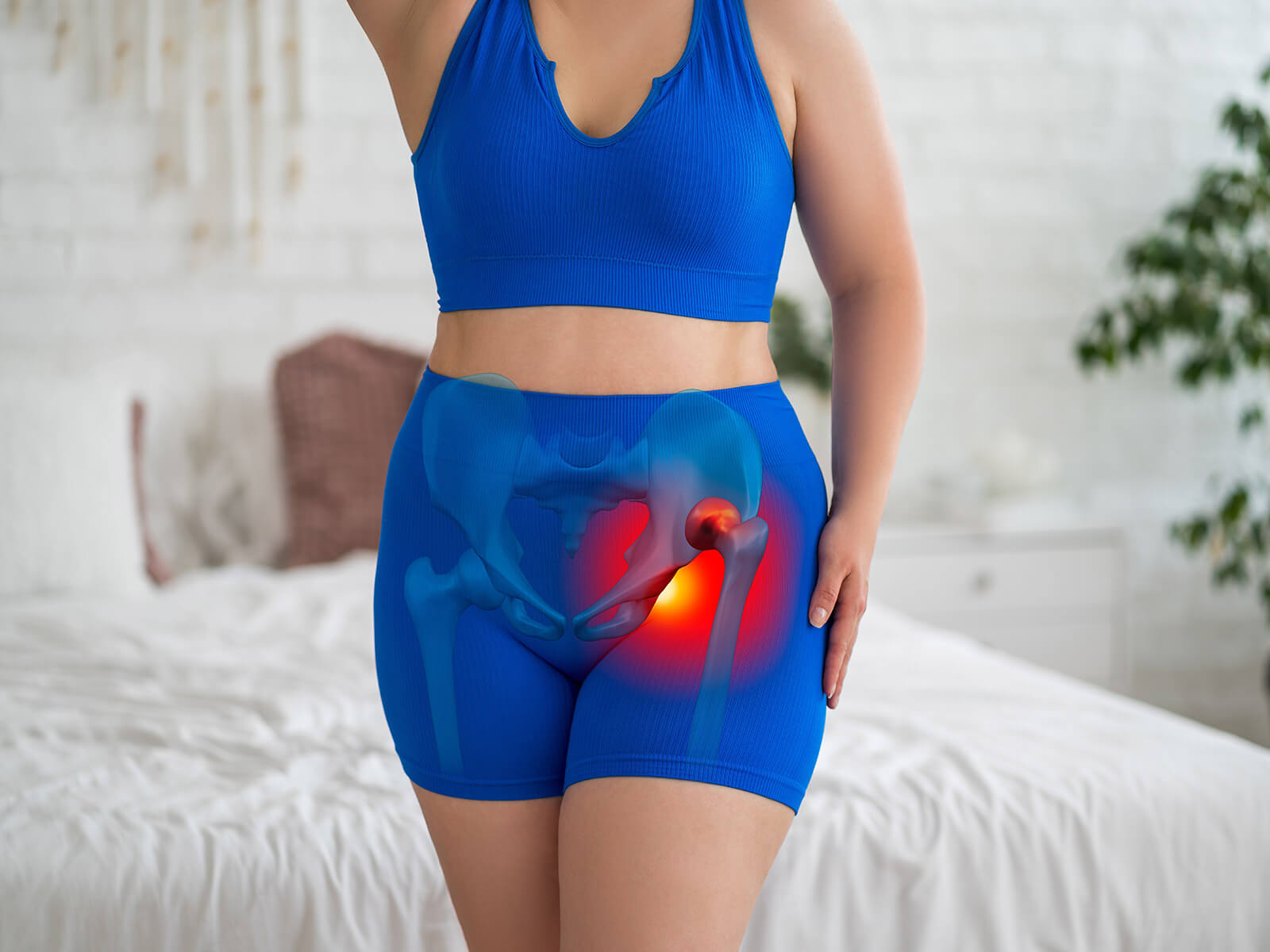
The pain in the pelvis can interfere with life so that one will experience pains as under the belly button by hips. It may be acute, chronic, and requires special consideration. As a doctor at GastroDoxs in Houston, Dr. Scott treats and thoroughly diagnoses to bring relief and improve well-being.
Dr. Scott Liu, MD, is a board-certified gastroenterologist with over six years of experience and a background in military medicine. He earned his medical degree from the University of Maryland, Baltimore, completed his Internal Medicine residency at Naval Medical Center Portsmouth, and finished his Gastroenterology fellowship through the National Capital Consortium. Dr. Liu provides comprehensive care for a broad range of digestive conditions, including abdominal pain, acid reflux, liver disease, chronic diarrhea, and colon cancer screening. He is a member of the American College of Gastroenterology and is known for his disciplined, patient-focused approach and clear communication.
What Is Pelvic Pain?
Pelvic pain is pain in abdominal part of the lower part of the stomach, under the belly button. It may are caused by digestive, urinary, reproductive, and musculoskeletal problems. Reasons can be irritable bowel syndrome, endometriosis, infection of the urinary tract, or pelvic inflammatory disease. Pelvic chronic pains can disrupt the normal way of living and might need multispecialized diagnosis and alleviation.
Common Causes and Risk Factors
Nerve irritation, inflammation or pelvic floor muscle tension
Chronic prostatitis in men (ICD-10 N41.1)
Endometriosis, ovarian cysts or pelvic inflammatory disease in women
History of pelvic surgery or adhesions
Urinary tract disorders and recurrent infections
Psychological stress and anxiety contributing to muscle spasm
Signs and Symptoms
Dull ache or sharp pain in the lower abdomen
Pain with urination or bowel movements
Discomfort during or after sexual activity
Pelvic muscle tightness or spasms
Frequent or urgent need to urinate
Fatigue, sleep disturbance or low mood from chronic pain
How Dr. Scott Diagnoses This Condition?
Dr. Scott uses a step-by-step approach:
Medical History and Exam
He will examine the character of your epigastric pain-when it first started, how it is associated with food, stress, alcohol or NSAID use-and do an abdominal examination.
Blood Tests
Complete blood count to look for anemia or infection
Liver function tests (AST, ALT, ALP, bilirubin)
Pancreatic enzymes (amylase, lipase)
H. pylori serology or stool antigen if ulcer disease is suspected
Imaging Studies
Abdominal ultrasound to evaluate gallbladder, liver, pancreas, and biliary tree
Upper endoscopy (EGD) to visualize the esophagus, stomach, and duodenum for ulcers or inflammation
CT scan of the abdomen if complications or masses are a concern
Functional Testing
In cases of necessity, the diagnostic methods used include gastric emptying scintigraphy, or 24-hour pH monitoring, to define the motility disorders or acid reflux.
Advanced Testing (if needed)
In rare cases, a diagnosis may be averted by using tissue biopsies during endoscopy or special motility manometry.
Treatment
Our Team offers a full range of care for pelvic pain.
1. Modifications to Lifestyle and Diet
Increase water intake and caffeine or hot food should be avoided.
Consume increased intake of fiber to avoid constipation.
Reduce stress by deep breathing, meditating, or doing yoga.
Apply a heating pad on your belly to relieve pain.
2. Medications
Drugs used to relieve pain as acetaminophen or ibuprofen.
Spihincter relaxers of passionately firm muscles.
Low dose analgesic antidepressants to relax nerve pain.
Antibiotics in event that there is an infection such as prost italis.
3. Less Invasive or More Invasive Procedures
To loosen sore muscles injections are made.
Narcotics to prevent pain signals.
Laparoscopy as a way of checking endometriosis or scar tissue.
Guided exercises and muscle training of the pelvic muscles.
Dr. Scott Liu, MD, is a board-certified gastroenterologist with over six years of experience and a background in military medicine. He earned his medical degree from the University of Maryland, Baltimore, completed his Internal Medicine residency at Naval Medical Center Portsmouth, and finished his Gastroenterology fellowship through the National Capital Consortium. Dr. Liu provides comprehensive care for a broad range of digestive conditions, including abdominal pain, acid reflux, liver disease, chronic diarrhea, and colon cancer screening. He is a member of the American College of Gastroenterology and is known for his disciplined, patient-focused approach and clear communication.
Frequently Asked Questions
Which is the ICD-10 code of pelvic pains?
General pelvic pain is treated by R10.2. In men N41.1 is applied to chronic prostatitis.
How soon will I feel better?
The improvement can be noticed by many patients in several weeks. Depending on the underlying cause and treatments of choice, you depend on your schedule.
Do the procedures hurt?
The majority of the minimally invasive surgeries involve local anesthesia or gentle light sedation to ensure that you feel comfortable during the surgery.
Is there a food or diet which can help in pelvic pain?
Yes. Symptoms can be reduced by a high-fiber diet, using lots of water and avoiding irritants to the bladder and bowels.
What are the situations when I need to visit a doctor immediately?
Visit us at once in case of the intense pain, when you have a fever, or have any unexplained bleeding.
Does it mean that pelvic pain is a life time issue?
Not usually. With proper diagnosis and specific care, the majority of individuals obtain protracted relief.
Are men and women to have dissimilar medications?
Sometimes. Women might have to undergo the process of checking on endometriosis or ovarian problems; men might need to undergo prostatitis treatments or muscle targeted treatments.