1.9K Reviews | 4.7 Star Rating | 20+ years of experience | 72k+ Patients Treated
Obstruction Of Bile Duct Doctor - Dr. Scott Liu
Having problems with the blockage of a bile duct? Dr. Scott is a specialist in the diagnosis and treatment of obstructions through highly qualified imaging, minimally invasive surgery, and personalized care at GastroDoxs in Houston. Our competent team is involved in the removal of gallstones to the creation of stents that make you comfortable and healthy.
Dr. Scott Liu, MD, is a board-certified gastroenterologist with over six years of experience and a background in military medicine. He earned his medical degree from the University of Maryland, Baltimore, completed his Internal Medicine residency at Naval Medical Center Portsmouth, and finished his Gastroenterology fellowship through the National Capital Consortium. Dr. Liu provides comprehensive care for a broad range of digestive conditions, including abdominal pain, acid reflux, liver disease, chronic diarrhea, and colon cancer screening. He is a member of the American College of Gastroenterology and is known for his disciplined, patient-focused approach and clear communication.
What Is an Obstruction of the Bile Duct?
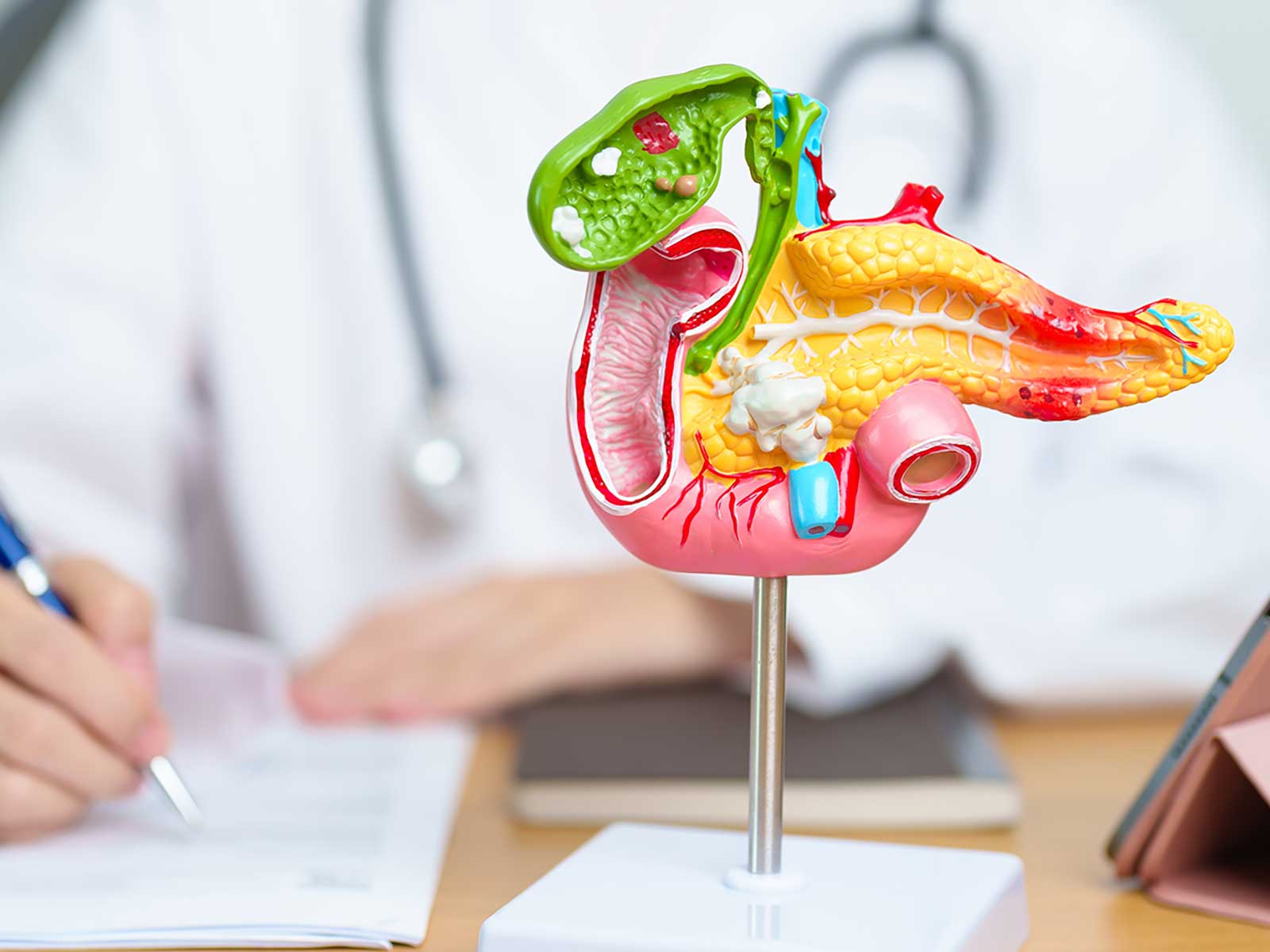
Blockage of the bile-duct happens when the bile carried by the liver to the small-intestine is obstructed. The causes of this obstruction include gallstones, tumors, inflammation, scarring, and strictures. The inability to allow the bile to flow causes the fluid to build up in the liver causing jaundice (yellowing of the skin or eyes), dark urine, pale stools, itchiness, and pain in the abdomen. Unattended, it can cause severe conditions such as infections (cholangitis) or liver damage. The diagnosis normally comes by way of imaging tests, namely ultrasound, MRCP, or ERCP. The management of the condition is determined by the cause, and it may involve the use of endoscopic therapy, surgery or placement of stents to restore the flow of bile.
Common Causes and Risk Factors
Gallstones lodged in the common bile duct
Scar tissue from prior surgery or injury
Tumors of the pancreas or bile ducts
Inflammation of the bile ducts (cholangiitis)
Parasitic infection (rare in Houston)
Family history of bile duct disease or liver disorders
Age over 50 and certain chronic liver conditions
Signs and Symptoms
Yellowing of the skin or eyes (jaundice)
Dark urine and pale, clay-colored stools
Itching (pruritus) all over the body
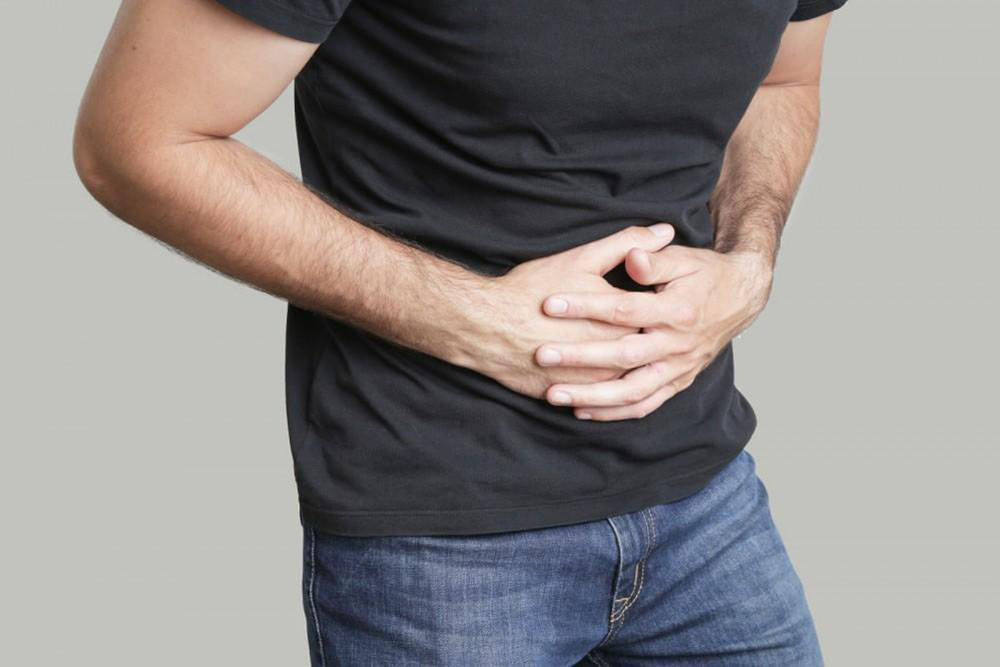
Pain or fullness in the upper right abdomen
Unexplained weight loss, fever, or chills
How Dr. Scott Diagnoses This Condition?
Dr. Scott uses a step-by-step approach:
Medical History and Exam
He examines your medical history of health, inquires about pain in the epigastric region or on the right upper quadrant, jaundice, changes in weight, surgeries and other risk areas like gallstones or liver disease.
Blood Tests
We measure liver enzymes (ALT, AST, ALP), total and direct bilirubin, and inflammatory markers to indicate that the bile flow has been interrupted and exclude that the bile has been interrupted by another liver disease.
Imaging Studies
Abdominal ultrasound to look for ductal dilation, gallstones and liver echotexture changes.
CT scan or MRI for cross-sectional views of the bile ducts, pancreas and surrounding structures.
MRCP (Magnetic Resonance Cholangiopancreatography) for detailed, non-invasive mapping of the biliary tree.
Endoscopic and Advanced Testing (If Needed)
Using ERCP ( Endoscopic Retrograde Cholangiopancreatography ), obstruction could be relieved by direct observation and biopsy together with stent insertion. Strictures or tumors can then be further characterised by endoscopic ultrasound (EUS).
Treatment
Our Team offers a full range of care for obstruction of the bile duct.
1. Modifications in Lifestyle and Diet.
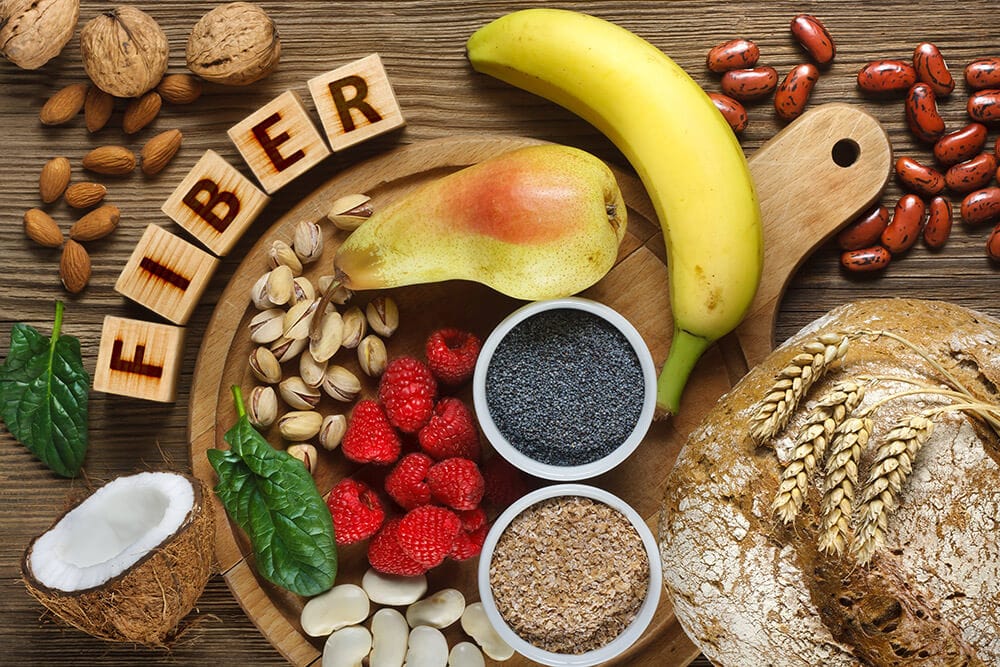
Eat small, low-fat meals
Avoid fried and greasy foods
Stay hydrated with water
Maintain a healthy weight
Restrict alcohol and tobacco consumption.
2. Medications
Ursodeoxycholic acid to dissolve small gallstones.
Antibiotics for infections
Pain management under the direction of Dr Scott.
3. Minimum-Invasive or High-technology Procedures.
ERCP to open blocked ducts by the use of stents.
The operation is laparoscopic surgery to remove the gallstones or scar tissue.
Endoscopic ultrasound (EUS) used as an accurate imaging and biopsy.
Dr. Scott Liu, MD, is a board-certified gastroenterologist with over six years of experience and a background in military medicine. He earned his medical degree from the University of Maryland, Baltimore, completed his Internal Medicine residency at Naval Medical Center Portsmouth, and finished his Gastroenterology fellowship through the National Capital Consortium. Dr. Liu provides comprehensive care for a broad range of digestive conditions, including abdominal pain, acid reflux, liver disease, chronic diarrhea, and colon cancer screening. He is a member of the American College of Gastroenterology and is known for his disciplined, patient-focused approach and clear communication.
Frequently Asked Questions
What is the obstruction of the bile duct?
The most common culprits are gallstones, tumors, surgical or traumatic scar tissue and inflammation (cholangiitis).
What are the initial symptoms of bile duct obstruction?
Consider jaundice (yellow skin or whites of the eyes), dark urine, pale dioxins, itching, pain on the right side of upper abdomen.
ICD-10 code of obstruction of bile duct?
The problem belongs to the category of the ICD-10 system code K83.1.
Is ERCP safe?
Yes. ERCP is a highly developed procedure that has minimal complication rates when done by a well trained endoscopist such as Dr. Scott.
Are diet and lifestyle modifications useful in providing relief?
Absolutely. Resting digestive pressure and promoting recovery can be facilitated through a low-fat diet, small-frequency meals, by sufficient hydration, and by means of weight management.
When is it time to see a doctor in Houston?
Arrange an assessment in the event that you observe jaundice that is not resolute, dark urine, pale stools, or if the painfulness in the upper abdomen takes over a day.