1.9K Reviews | 4.7 Star Rating | 20+ years of experience | 72k+ Patients Treated
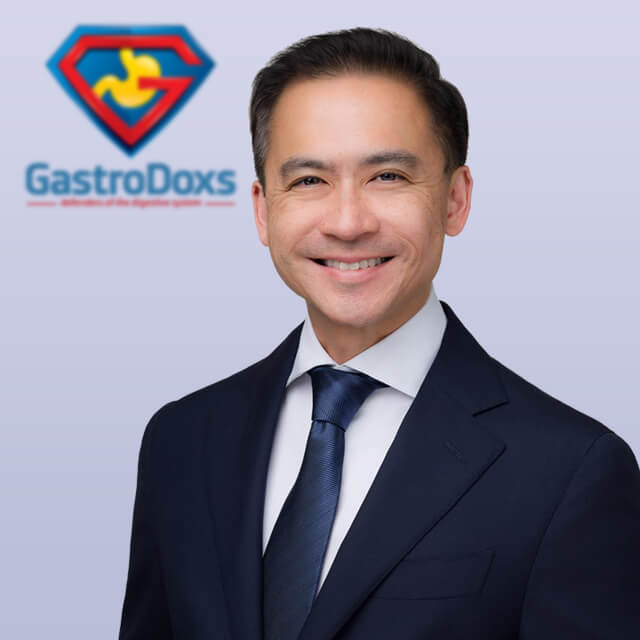
Duodenal Polyp Doctor - Dr. Scott Liu
The specialist in the treatment of duodenal polyps is Dr. Scott who is board certified in GastroDoxs in Houston. Through new-fangled endoscopic, he offers an accurate diagnosis and a specific treatment regimen to monitor, eradicate and cure polyps - in order to ensure the digestive system and the state of mind overtime.
Dr. Scott Liu, MD, is a board-certified gastroenterologist with over six years of experience and a background in military medicine. He earned his medical degree from the University of Maryland, Baltimore, completed his Internal Medicine residency at Naval Medical Center Portsmouth, and finished his Gastroenterology fellowship through the National Capital Consortium. Dr. Liu provides comprehensive care for a broad range of digestive conditions, including abdominal pain, acid reflux, liver disease, chronic diarrhea, and colon cancer screening. He is a member of the American College of Gastroenterology and is known for his disciplined, patient-focused approach and clear communication.
Chronic duodenal inflammation (H. pylori or autoimmune gastritis)
Long-term use of proton pump inhibitors
Age over 50 years (sporadic adenomatous polyps)
History of gastric surgery or duodenal trauma
Hamartomatous polyp disorders such as Cowden syndrome and others
Signs and Symptoms
Often asymptomatic and discovered incidentally during endoscopy
Abdominal or stomach pain
Nausea, vomiting, or early satiety if obstruction occurs
Gastrointestinal bleeding, melena, or iron-deficiency anemia
Postprandial bloating or fullness
Weight loss due to chronic bleeding or obstruction
How Dr. Scott Diagnoses This Condition?
Dr. Scott uses a step-by-step approach:
Medical History and Exam
He looks into your history-of pain-onset, localization, triggers-and any history of any GI problems or family history of polyps. A steep abdominal and epigastric palpation to detect tenderness or masses.
Laboratory Tests
A CBC to rule out anemia, a test of H. pylori infection, and basic metabolic tests to rule out the existence of other factors causing epigastric discomfort should also be included in the blood work.
Endoscopic Evaluation
Upper endoscopy (EGD) can be used directly to examine the duodenum and detect polyps or disturbances of the mucosa.
Better modalities like use of narrow band imaging or chromoendoscopy of small lesions which are better identified and characterized are available.
Imaging Studies
Abdominal ultrasound will exclude the possibility of the gallbladder disease or inflammation of the pancreas as the cause of pain.
CT scan or MR enterography provides a better look into the small bowel and its periphery structures and it helps to identify the presence of larger or submucosal polyps.
Biopsy and Histology
In case of endoscopy, any suspected lesion is sampled. It is the histologic examination that defines the nature of the polyp (e.g. adenomatous vs. hyperplastic) and Removal policy and follow-up periods.
Treatment
Our Team Offers a Full Range of Care for Duodenal Polyps
1. Lifestyle and Diet Modifications
Develop low-fat and irritant-free meal plans that do not worsen duodenal tissue.
Increase intake of fiber-rich foods unless contraindicated.
Quit smoking and limit alcohol to reduce mucosal stress.
Practice stress-reducing techniques to improve overall gut health.
2. Medications
Proton pump inhibitors (PPIs) to reduce acid and promote healing.
Treatment to eradicate H. pylori infection if present.
Iron therapy for patients with bleeding-induced anemia.
Regular use of prescribed medications to prevent recurrence in high-risk cases.
3. Minimally Invasive or Advanced Procedures
Upper gastrointestinal endoscopy (EGD) to visualize and biopsy duodenal polyps.
Endoscopic polypectomy – a safe, minimally invasive removal of polyps.
Histopathology to determine the type and risk classification of the polyp.
Scheduled surveillance to monitor for recurrence or progression.
Dr. Scott Liu, MD, is a board-certified gastroenterologist with over six years of experience and a background in military medicine. He earned his medical degree from the University of Maryland, Baltimore, completed his Internal Medicine residency at Naval Medical Center Portsmouth, and finished his Gastroenterology fellowship through the National Capital Consortium. Dr. Liu provides comprehensive care for a broad range of digestive conditions, including abdominal pain, acid reflux, liver disease, chronic diarrhea, and colon cancer screening. He is a member of the American College of Gastroenterology and is known for his disciplined, patient-focused approach and clear communication.
Frequently Asked Questions
What is a duodenal polyp?
A duodenal polyp is a harmless growth that occurs on the inner lining of the duodenum, the first part of the small intestine. Most are benign, but some may have the potential to develop cancerous characteristics over time.
What is the ICD-10 code of a duodenal polyp?
The ICD-10 code for duodenal polyps is K63.5, which refers to polyps of the small intestine and colon.
Are duodenal polyps asymptomatic?
Most small polyps do not cause any symptoms. However, larger polyps may lead to bleeding, abdominal pain, nausea, or blockages, depending on their size and location.
How are duodenal polyps diagnosed?
They are typically discovered during an upper endoscopy. Dr. Scott may perform a biopsy or excision to analyze the polyp.
Should all duodenal polyps be removed?
Not always. Some benign polyps are only monitored, but removal is recommended if there is a risk of cancer or if symptoms develop.
Is polyp removal painful?
No. The procedure is performed under sedation during endoscopy, and most patients experience only mild discomfort with quick recovery.
Can polyps recur after removal?
Yes, polyps can recur. Dr. Scott will recommend periodic follow-up appointments based on your risk profile and biopsy results.