1.9K Reviews | 4.7 Star Rating | 20+ years of experience | 72k+ Patients Treated
Diseases of Anus And Rectum Specialist
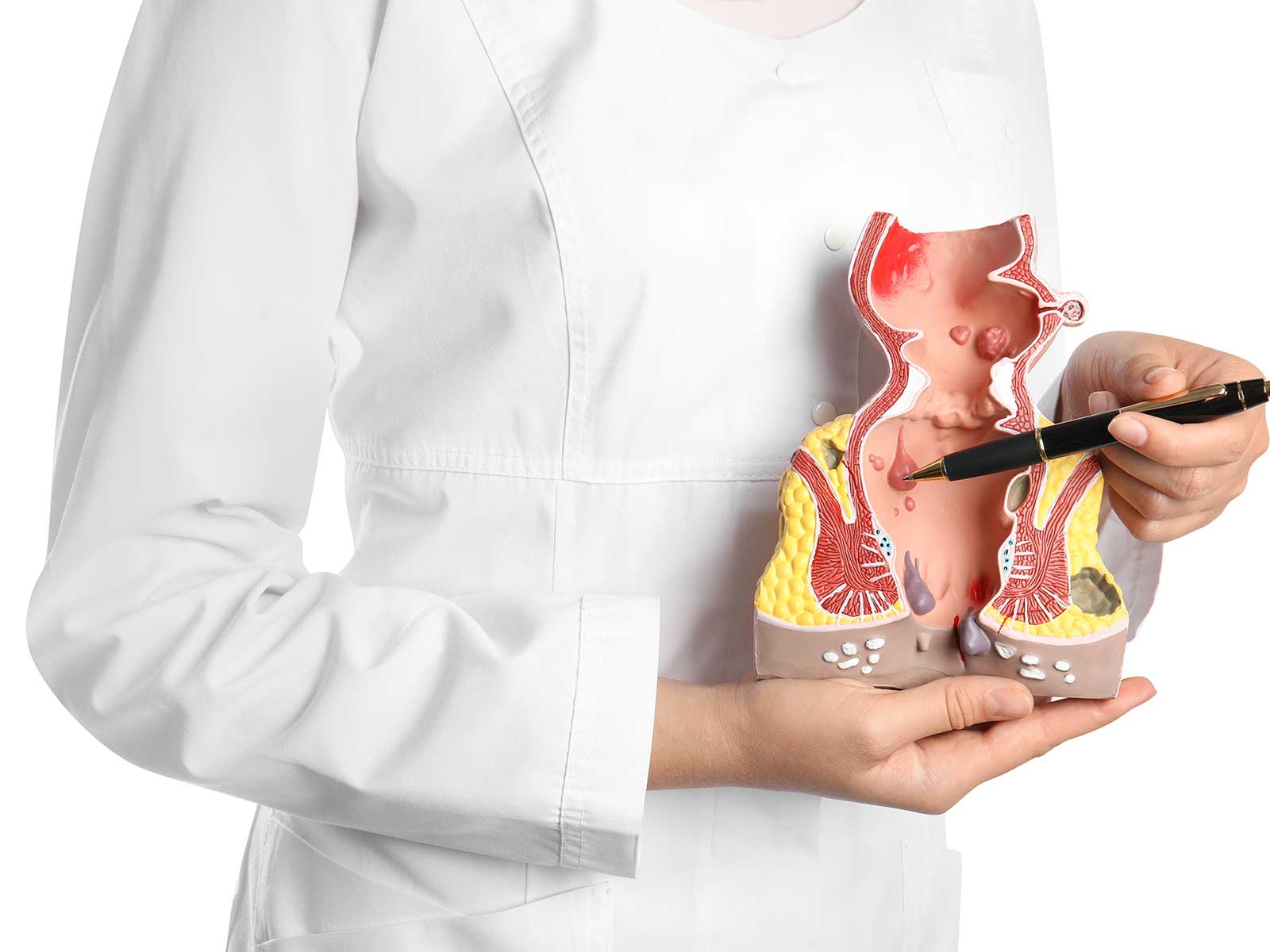
Dr. Scott is an expert on the diagnosis and personal care of anus and rectum related diseases using GastroDoxs in Houston, which include hemorrhoids, anal fissure, abscess, and rectal bleeding. The patients are successfully relieved and their quality of life is improved with the least invasive techniques, high-level imaging and specific medical treatments.
Dr. Scott Liu, MD, is a board-certified gastroenterologist with over six years of experience and a background in military medicine. He earned his medical degree from the University of Maryland, Baltimore, completed his Internal Medicine residency at Naval Medical Center Portsmouth, and finished his Gastroenterology fellowship through the National Capital Consortium. Dr. Liu provides comprehensive care for a broad range of digestive conditions, including abdominal pain, acid reflux, liver disease, chronic diarrhea, and colon cancer screening. He is a member of the American College of Gastroenterology and is known for his disciplined, patient-focused approach and clear communication.
Common Causes and Risk Factors
H. pylori infection - a bacterium that damages the stomach lining.
NSAIDs - aspirin or ibuprofen that irritate the bowel.
Alcohol and smoking - weaken the stomach’s natural defenses.
Stress and unhealthy diet - spicy, fatty, or acidic foods can provoke symptoms.
Family history - predisposition to ulcers and gastritis.
Signs and Symptoms
Abdominal pain in the upper part, burning or gnawing.
How Dr. Scott Diagnoses Diseases of the Anus and Rectum
Dr. Scott uses a thorough diagnostic approach:
Medical History and Physical Exam
He investigates your bowel movements, bloody diarrhea, pain during defecation, fecal changes or consistency in the past few days, as well as a history of abscess or infection. Swellings, fissures or any masses can be evaluated with the help of an optical and electronic rectal examination.
Anoscopy and Proctoscopy
These types of in-office examinations may be employed to directly observe the lower rectum and the anal canal to identify the presence of hemorrhoids, fissure or infection or inflammatory evidence.
Colonoscopy (if needed)
Colonoscopy is performed in case of rectal bleeding, unexplainable changes in the bowel habits, as well as a suspicion of a rectal cancer, to examine the entire colon and rectum and to take biopsies when required.
Imaging Studies
Different types of complex fistulas, abscesses/suspected rectal tumors can be evaluated with the help of pelvic MRI or endoanal ultrasound.
Laboratory Tests
Stool tests are ordered to examine infections, blood or swelling. A complete blood count (CBC) may also be carried out in blood tests to determine anemia due to chronic bleeding.
Treatment
Our Team offers a full range of care for diseases of the anus and rectum.
1. Lifestyle and Diet Modifications
Enhance the consumption of fibers and fluids to prevent constipation.
Avoid sitting in one place for too long and straining during bowel movements.
Wipe your bottom gently and avoid irritants.
2. Medications
Topical treatments such as corticosteroid creams and analgesic ointments.
Orally administered painkillers and laxatives.
Antibiotics for abscesses or infections.
3. Minimally Invasive or Advanced Procedures
Rubber band ligation or sclerotherapy for hemorrhoids.
Dr. Scott Liu, MD, is a board-certified gastroenterologist with over six years of experience and a background in military medicine. He earned his medical degree from the University of Maryland, Baltimore, completed his Internal Medicine residency at Naval Medical Center Portsmouth, and finished his Gastroenterology fellowship through the National Capital Consortium. Dr. Liu provides comprehensive care for a broad range of digestive conditions, including abdominal pain, acid reflux, liver disease, chronic diarrhea, and colon cancer screening. He is a member of the American College of Gastroenterology and is known for his disciplined, patient-focused approach and clear communication.
Frequently Asked Questions
What are the common hemorrhoids symptoms?
The symptoms include itching, pain, and swelling of the anal area, along with bright red blood on toilet paper or in the stool.
Do anal fissures heal on their own?
Conservative therapy can treat small fissures using stool softeners and sitz baths. More severe fissures may require medical intervention.
When should rectal bleeding prompt a visit to the doctor?
Any rectal bleeding should be evaluated, especially if it is recurring, painful, or accompanied by changes in bowel movements.
What are the treatments for anal abscesses?
They usually require drainage, and if an infection is present, antibiotics are prescribed. Early treatment helps prevent complications such as fistulas.
Do lifestyle changes help in managing anorectal diseases?
Yes. Increasing fiber and fluid intake, avoiding straining, and maintaining good hygiene can reduce symptoms and recurrence.
How painful is rubber band ligation for hemorrhoids?
Most patients experience only mild discomfort during or after the procedure, which can be easily managed with pain medication.
Can diet affect anorectal diseases?
A fiber-rich diet helps produce soft, regular bowel movements, preventing and managing most anorectal conditions.
Related Blogs
Feel Like You Always Have Food Stuck in Your Throat? You May Have Dysphagia