1.9K Reviews | 4.7 Star Rating | 20+ years of experience | 72k+ Patients Treated
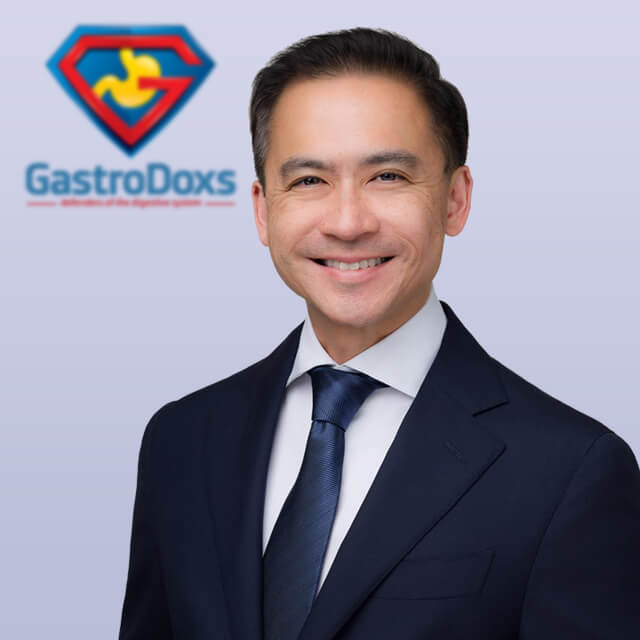
Best ASLC Doctor - Dr. Scott Liu
Learn about symptoms, etiology and management of bloating in the National Institute of Diabetes and Digestive and Kidney Diseases. The resource is a source of information, ideas on how to take care of oneself and suggestions on how to know when one should seek doctor help because of the constant pain in the abdomen.
Dr. Scott Liu, MD, is a board-certified gastroenterologist with over six years of experience and a background in military medicine. He earned his medical degree from the University of Maryland, Baltimore, completed his Internal Medicine residency at Naval Medical Center Portsmouth, and finished his Gastroenterology fellowship through the National Capital Consortium. Dr. Liu provides comprehensive care for a broad range of digestive conditions, including abdominal pain, acid reflux, liver disease, chronic diarrhea, and colon cancer screening. He is a member of the American College of Gastroenterology and is known for his disciplined, patient-focused approach and clear communication.
What Is Acute Self-Limited Colitis (ASLC)?
Acute Self-Limited Colitis (ASLC) is a short-lived inflammatory disease of the colon that may be caused either by infections or other non-specific irritants. It is likely to self-treat and not to present any chronic problems. The condition is included in the ICD-10 code of K52.9 and can be found in any persons of any age
Common Causes and Risk Factors
Bacterial infections (ex: Salmonella, Shigella, Campylobacter, E. coli)
Viral enteritis (e.g., rotavirus, norovirus)
Contaminated food or water
Recent travel (traveler diarrhea)?
Alteration of gut flora due to the use of antibiotics.
One of the medications that the patient was prescribed is Octrexate, Lactamol, and Vardat.
Intestinal pain or stomach cramping in the lower abdomen.
One is in urgent need to move a bowel movement.
Low-grade fever
Nausea or vomiting (in some isolated cases)
Fatigue or mild dehydration
How Dr. Scott Diagnoses This Condition?
Dr. Scott uses a step-by-step approach:
Medical History and Exam
He evaluates your symptoms - abdominal cramping, fever, sudden diarrhea, recent travel, or the use of antibiotics - and assesses your hydration and eliminates chronic bowel disease.
Blood Tests
The initial laboratory tests may include complete blood count (CBC) to check the infection or anemia presence, C-reactive protein (CRP) to check the inflammation, and the basic metabolic panel to check the presence of dehydration or electrolyte loss.
Stool Studies
Stool culture to discover bacteria pathogens Salmonella, Shigella, Campylobacter or E. coli.
In case of recent antibiotics usage, clostridioides difficile test.
Active inflammation of the colon: fecal leukocyte or calprotectin.
Imaging (if needed)
An abdominal X-ray or CT scan can be performed to rule out thickening of the colonic wall, obstruction and other complications like toxic megacolon in chronic symptomatic patients with severe pain.
Follow-Up and Monitoring
Most of the cases are not attended. However, Dr. Scott provides follow-up to ensure that the symptoms disappear and may prescribe further examinations in case the symptoms still persist after the expected recovery time.
Dr. Scott Liu, MD, is a board-certified gastroenterologist with over six years of experience and a background in military medicine. He earned his medical degree from the University of Maryland, Baltimore, completed his Internal Medicine residency at Naval Medical Center Portsmouth, and finished his Gastroenterology fellowship through the National Capital Consortium. Dr. Liu provides comprehensive care for a broad range of digestive conditions, including abdominal pain, acid reflux, liver disease, chronic diarrhea, and colon cancer screening. He is a member of the American College of Gastroenterology and is known for his disciplined, patient-focused approach and clear communication.
Frequently Asked Questions
What is Acute Self-Limited Colitis?
ASLC is a short term inflammation in the colon which is usually caused by the infections. It is normally self-limiting and not chronic, long-lasting.
What causes ASLC?
It is typically brought about by bacteria like Salmonella or E. coli, viruses like norovirus or food-borne toxins. One of the frequent causes is infected water or food.
Is ASLC contagious?
Yes. In case of a virus or a bacterium, it can be caused by the poor hygiene of hands, contact surfaces or infected water and food.
What are the most common symptoms of ASLC?
It is supported by such symptoms like diarrhea (sometimes bloody), cramps in the abdomen, the desire to pass stool, fatigue and slight fever.
How is ASLC diagnosed?
The diagnosis is generally investigated by the observation of the symptoms, recent trips and consumption of food, the blood testing, as well as, by the stool examination to rule out the possibility of infection or parasites.
How long does ASLC last?
The patients take between 3 to 7 days to recover. The case may be acute or chronic and medical treatment and hydration therapy are required.
When should I see Dr. Scott?
Follow-up visit in case of chronic diarrhea, bloody diarrhea, fever, dehydration or abdominal pains.
Does ASLC have a billing code?
Yes. The code of ICD-10 applicable in Acute Self-Limited Colitis Acute Self-Limited Colitis is K52.9, which is used when the infectious agent is unknown.