What Is Diverticulosis of the Colon?
The formation of a diverticulosis will occur in case of the formation of small protrusions (diverticula) on the wall of the colon. Such pouches are not inflamed nor are they infected and are in the unknown to many people. It cannot be compared to diverticulitis that should deal with infection and pain.
Common Causes and Risk Factors
- Low-fiber diet.
- Aging, which can weaken the colon wall.
- Family history of colon disorders.
- Being overweight or obese.
- Lack of physical activity.
Signs and Symptoms
- Often asymptomatic in the early stages.
- Mild abdominal discomfort or pain.
- Changes in bowel habits or occasional constipation.
- Occasional small amounts of blood in the stool.
How Dr. Rishi Diagnoses Diverticulosis Of Colon?
Dr. Rishi Chadha uses a step-by-step approach:
Medical History and Physical Exam
He looks at your symptoms, nutrition, family and lifestyle history and provides a light examination of the abdomen to ensure that you do not show any tenderness and bloating.
Blood and Stool Tests
The existence of anemia or inflammation is verified through the utilization of simple blood tests, whereas the existence of the infection or latent blood is denied through the utilization of stool tests.
Imaging Studies
- Colonoscopy: This is a first-hand observation scope of the luminal interior of the colon, which defines divertersiculum as well as which is least-invasive and investigates the existence of polyps.
- CT Scan: It is used to give a detailed image of a cross-sectional image of the colon and other tissues in the area to show whether there are diverticula and evaluation of complications.
Advanced Testing (if needed)
Enema of barium (ordering), or special contrast studies can be ordered, infrequently, to elucidate complicated anatomy, or rule out other diseases.

Frequently Asked Questions
What is diverticulosis?
Diverticulosis refers to small, non-inflamed pouches (diverticula) that form in the wall of the colon. These pouches are not infected but can cause complications if they become inflamed, leading to diverticulitis.
What causes diverticulosis?
Risk factors include a low-fiber diet, aging, family history of colon disorders, being overweight, and physical inactivity — all of which can increase pressure within the colon.
What is the diagnosis of diverticulosis?
Most individuals with diverticulosis experience no symptoms. The condition is often discovered incidentally during imaging studies such as a CT scan or colonoscopy.
Does diverticulosis progress?
Yes. If one or more pouches become inflamed or infected, the condition can progress to diverticulitis, which may cause pain, fever, and other complications.
What is the ICD-10 code for diverticulosis?
The ICD-10 code for diverticulosis without bleeding or infection is K57.30.
What role does diet play in diverticulosis treatment?
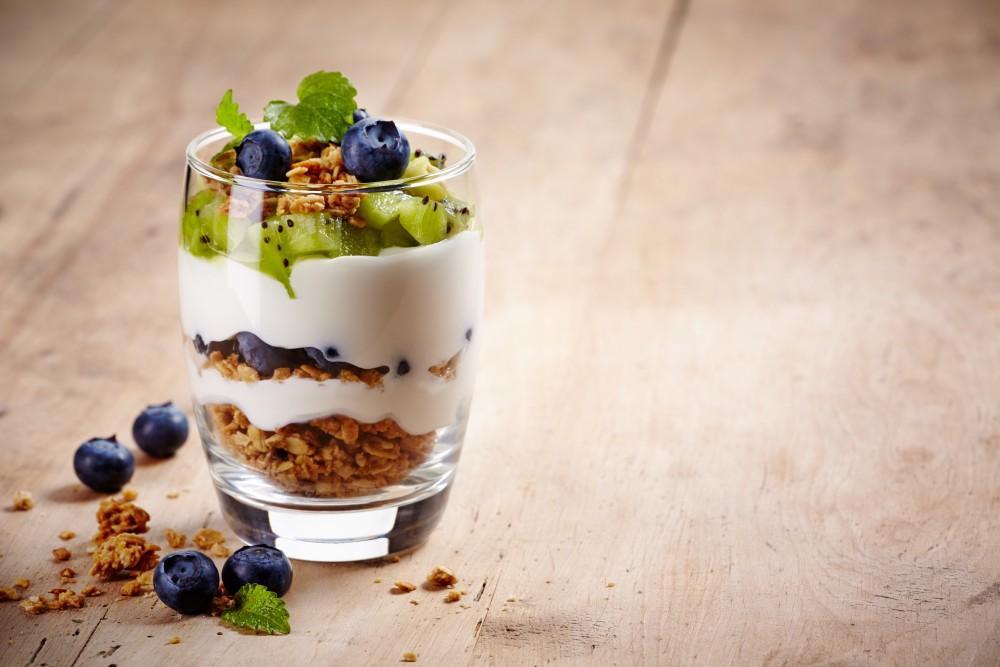
Consuming 20–35 grams of fiber daily, staying hydrated, and including plenty of fruits, vegetables, and whole grains in your diet help promote colon health and prevent complications.
Are there medications for diverticulosis?
Yes. Fiber supplements, probiotics to support gut health, and acetaminophen for pain relief may be used. NSAIDs should be avoided unless prescribed by a physician.
Do I need surgery for diverticulosis?
Surgery is rare and is only considered in severe cases involving complications such as uncontrolled bleeding, bowel obstruction, or recurrent infections.
Is diverticulosis genetic?
There is a hereditary component, but the condition can often be prevented or managed with healthy lifestyle choices such as a high-fiber diet and regular exercise.