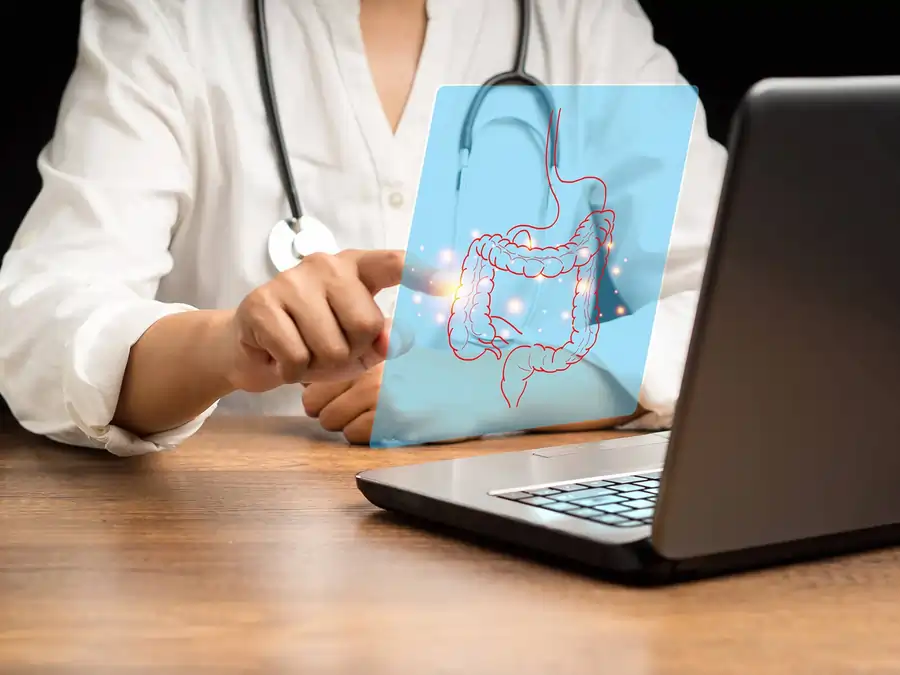








Colon cancer refers to the time in which normal large intestine cell begins multiplying uncontrollably by the body. The final digestive tract is the colon. The abnormal cells, in situations where they grow to form a mass (tumor) can some how hinder the colon or their colonization (spreading) to other organs. The most important is however the one that is identified early enough and is very effective in improving the survival.
It can also be useful in diagnosing at the early stages so as to receive an earlier treatment. The symptoms can also vary according to the individuals involved and according to the gender but they may often include:
Although it is not quite clear about what can make you fall to the colon cancer, still, there are multiple risk factors that can precondition you to the disease:
The overall strategy of the treatment of colon cancer with the advanced screening and early diagnosis and individualized treatment and follow-up is the issue under discussion in our GastroDoxs board of gastroenterologists in Houston. It is reduced by the combination of hi-tech technology and service care that is oriented towards fulfilling the needs of the patients, which helps to go through it. You will accept having control of your health? They are able to have their colon cancer check or booking today and committed long-term health team that cares about them. Book your appointment today.
We've successfully treated more than 329 patients, helping individuals improve their digestive health and overall well-being through expert, personalized care.
With over 20 years of experience, GastroDoxs has been a trusted provider of gastroenterology care, focusing on delivering the best outcomes for patients
Dr. Bharat Pothuri is a board-certified expert in Gastroenterology and Hepatology with extensive training and expertise in both digestive health and liver diseases.
He is deeply committed to providing personalized care, focusing on understanding each patient’s unique needs. His approach combines advanced diagnostic techniques with tailored treatment plans to ensure the best possible outcomes. Patients appreciate his compassionate care and thorough approach, and many express high satisfaction with the improvements they experience in their digestive and liver health under his expert guidance.
Women can even drop some hints and they can be insidious and they can be based on their constant bloating, gastro-emission, cramping in the stomach albeit slight cramps or even the normal change in the nature of their feces. An assessment is to be ordered when the symptoms are not expected to be cleared within a few weeks.
The first symptoms that numerous patients can detect are such symptoms as blood in the stool or unexplainable weight loss. Diagnosis will finally be achieved by conducting a colonoscopy in which case you gastroenterologist will be able to inspect and biopsy any suspected area.
Stage 3 colon cancer implies that the cancer has already proliferated to include the lymphed nodes found in the adjacent regions but not inside those found in the other sections either. The most common way to treat it is through surgery as it involves removing the tumor and then chemotherapy is done so as to prevent the possibility of re occurrence.
Stage 4 colon cancer implies that the cancer has been spread to other body organs such as lungs or liver. It is more complex and it can be treated by introducing directed therapy, immunotherapy, and clinical trials which is also useful in treating the disease and increasing the survival.
Yes. The red flags explain the changes of the stool (diarrhea (chronic), constipation, in size or the addition of blood or mucus). The availability of the information online might be useful to show the pictures of what to pay attention to but any manipulation should become the incentive to consult a doctor.
The ICD-10 major code of colon cancer 18 C18 is more specific (e.g. C18.0-C18.9) to indicate the location it is affecting the colon. Your physician or medical coder can confirm the right code that should be used when making your diagnosis.
The survival varies with the stage of diagnosis ranging between five years of existence. This is applying in the early detection and screening of colon cancer which are diagnosed and treated at a relatively advanced smooth survival rate of above 90 as compared to the survival rates of colon cancer which is advanced.
As a rule, any good screening test: a clear colonoscopy, no polyps or tumours-and the absence of persistent symptom, i.e., bleeding or any significant bowel changes are good. However, do not forget to report the new or recurrent symptoms to your physician.
The experts indicate that an age of 45 years and even below is the age at which a colon cancer screening will start off in instances of a family history of cancer of the colon, polyps or due to any undesirable symptoms. Rear timelines may be applied through early consultations to ensure that the patient gets the new diagnosis and better results.
An attempt to find a board-certified colon cancer specialist should be done by searching the gastroenterologists of a certified hospital or cancer facility. The referral to the Houston qualified physicians will also be made by referring to GastroDoxs.