Schedule Medical Evaluation
Seek care for gradual weakness, visible muscle shrinking, slower walking, difficulty rising, repeated falls, or reduced ability to perform daily tasks.
- Bring a symptom timeline
- List recent illness and inactivity

 Medically Reviewed by
Dr. Bharat Pothuri, MD, FACG
| Updated 07-13-2026
Medically Reviewed by
Dr. Bharat Pothuri, MD, FACG
| Updated 07-13-2026
GastroDoxs helps evaluate and treat muscle loss when poor intake, digestive disease, malabsorption, liver disease, intentional weight loss, or chronic illness may be contributing.
Muscle loss treatment must address the cause while restoring strength, nutrition, mobility, and physical function. GastroDoxs GutRescue Mission™ connects weight and strength change, protein and calorie intake, digestive absorption, chronic disease, medicines, physical performance, and rehabilitation needs into a coordinated recovery plan.
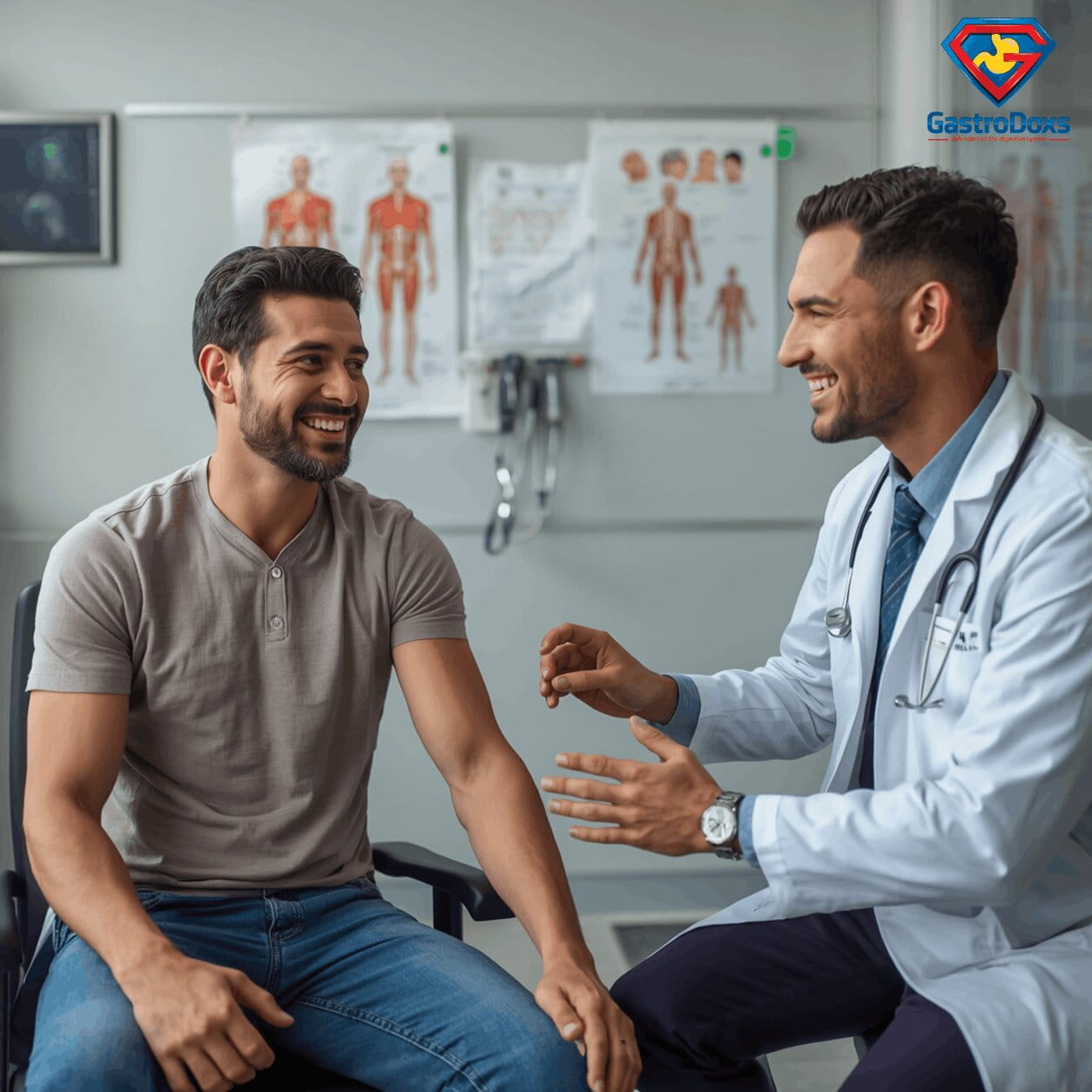
Treatment-stage care connects the diagnosis with practical options, safety review, monitoring, and specialist coordination.
We investigate whether muscle loss is related to poor intake, malabsorption, chronic diarrhea, pancreatic disease, liver disease, medicines, inactivity, or systemic illness.
We coordinate nutrition that supports calories, protein, vitamins, minerals, and digestive tolerance.
We help coordinate progressive strength training, physical therapy, balance work, and safe mobility goals.
We monitor weight, strength, walking, chair-rise ability, intake, symptoms, and selected body-composition measures.
A clear path from scheduling and records review to a personalized treatment plan.
Share your current muscle loss symptoms, diagnosis, treatment history, goals, and the questions you need answered.
Bring a timeline of weakness and weight change, food and protein intake, digestive or swallowing symptoms, medication list, laboratory and imaging results, hospital records, prior therapy notes, and details about falls or mobility changes.
A GastroDoxs GI specialist reviews the diagnosis, treatment options, safety factors, expected benefits, and whether another specialist or procedure is needed.
Your muscle loss plan may include medication, nutrition, lifestyle care, testing, a procedure, monitoring, or coordinated referral.
Your guardians. GastroDoxs GutGuardians™ is an elite team of board-certified gastroenterologists - a physician-led defense force of specialists, systems, and solution pathways working together to protect, detect, solve, and defend your digestive health through expert GI evaluation, advanced diagnostic screening, and endoscopic evaluation - commanded from your first concern to your last follow-up, and every critical stage in between.
Your rescue plan. When your diagnosis is confirmed, GastroDoxs GutRescue Mission™ deploys at full force - a gastroenterologist-led intervention plan delivering advanced colonoscopy, upper endoscopy, capsule endoscopy, and precision biologic and medication management across the full range of digestive conditions and complex GI emergencies - fighting for you with everything we have.
Schedule non-emergency care when you need treatment selection, reassessment, monitoring, or specialist coordination.
Seek care for gradual weakness, visible muscle shrinking, slower walking, difficulty rising, repeated falls, or reduced ability to perform daily tasks.
The care team addresses endocrine disease, inflammation, nerve compression, medicine effects, cancer, heart or lung disease, and digestive malabsorption.
Schedule prompt review when muscle size, walking, balance, grip, chair-rise ability, or independence worsens despite nutrition and exercise.
Weight, strength, walking speed, chair stands, dietary intake, and body composition may be tracked over time.
Muscle-loss treatment should combine cause-specific medical care, adequate nutrition, progressive resistance exercise, rehabilitation, fall prevention, and objective monitoring.







GastroDoxs provides patient-facing treatment planning for muscle loss, including records review, medication and procedure questions, symptom monitoring, insurance guidance, and coordinated referral when another specialist is needed.
Effective treatment combines management of the underlying cause with adequate calories and protein, progressive resistance exercise, physical therapy, fall prevention, and correction of vitamin, endocrine, neurologic, or digestive problems.
Rebuilding muscle requires enough nutrition, progressive strength training, recovery time, and treatment of conditions that continue to cause wasting. A supervised plan is safest after major illness, falls, or severe weakness.
Nutrition should provide adequate calories, protein distributed across meals, and needed vitamins and minerals. The plan must account for kidney or liver disease, swallowing problems, poor appetite, and digestive malabsorption.
Protein needs are individualized. Older adults or people recovering from illness may need more than the standard minimum, but kidney, liver, and other conditions affect the safe target. A dietitian should calculate the amount.
Progressive resistance exercise is most effective for building strength and muscle. Walking and aerobic activity support endurance, while balance training and task-specific therapy improve function and reduce falls.
Some muscle loss can be reversed, especially when caused by inactivity, inadequate nutrition, or a treatable medical condition. Recovery may be limited when severe nerve damage, advanced disease, or prolonged wasting is present.
Doctors may need to treat thyroid disease, diabetes, nerve or muscle disorders, cancer, heart, lung, kidney or liver disease, chronic inflammation, swallowing difficulty, pancreatic insufficiency, celiac disease, or other malabsorption.
Strength may begin improving within weeks, while measurable muscle gain often takes months. Recovery depends on the cause, severity, nutrition, exercise consistency, age, illness burden, and rehabilitation access.
Supplements can help when food intake is insufficient or a deficiency is documented. Protein, vitamin D, B12, iron, or other products should be selected according to testing and medical conditions rather than taken automatically.
Strength training provides the mechanical stimulus needed to preserve and rebuild muscle. It should be progressive, performed consistently, and adapted for pain, balance, cardiovascular health, and current ability.
Doctors combine the cause, rate of loss, strength and function tests, nutrition, digestive symptoms, medicines, laboratory findings, fall risk, and patient goals to create a coordinated treatment plan.
Physical therapy should be considered when weakness affects walking, balance, stairs, chair transfers, falls, recovery after hospitalization, or the ability to exercise safely without supervision.
Warning signs include continued weight loss, worsening weakness, repeated falls, slower walking, difficulty swallowing, new numbness, severe fatigue, inability to rise from a chair, or loss of independence despite treatment.
Older adults should begin with supervised resistance and balance work, adequate protein and calories, medication review, fall prevention, and treatment of pain or medical conditions that limit activity.
Regular resistance exercise, adequate nutrition, sufficient sleep, treatment of chronic disease, avoiding prolonged inactivity, staying socially and physically active, and early rehabilitation after illness help preserve muscle.
Book a GastroDoxs muscle-loss evaluation when weight loss, poor intake, digestive symptoms, liver disease, medication effects, or malabsorption may be contributing to weakness.