Rectal Bleeding
Bright red blood may be hemorrhoids, but persistent or unexplained bleeding needs evaluation.

 Medically Reviewed by
Dr. Bharat Pothuri, MD, FACG
| Updated 03-17-2026
Get clear hemorrhoid treatment guidance for rectal bleeding, pain, itching, prolapse, constipation, pregnancy-related symptoms, and treatment planning.
Hemorrhoids are swollen veins in or around the rectum and anus that can cause itching, pain, swelling, prolapse, and bright red bleeding. GastroDoxs GutRescue Mission™ helps patients move from symptom uncertainty to a clear treatment plan with exam guidance, home-care review, medication options, procedure discussion, and prevention support.
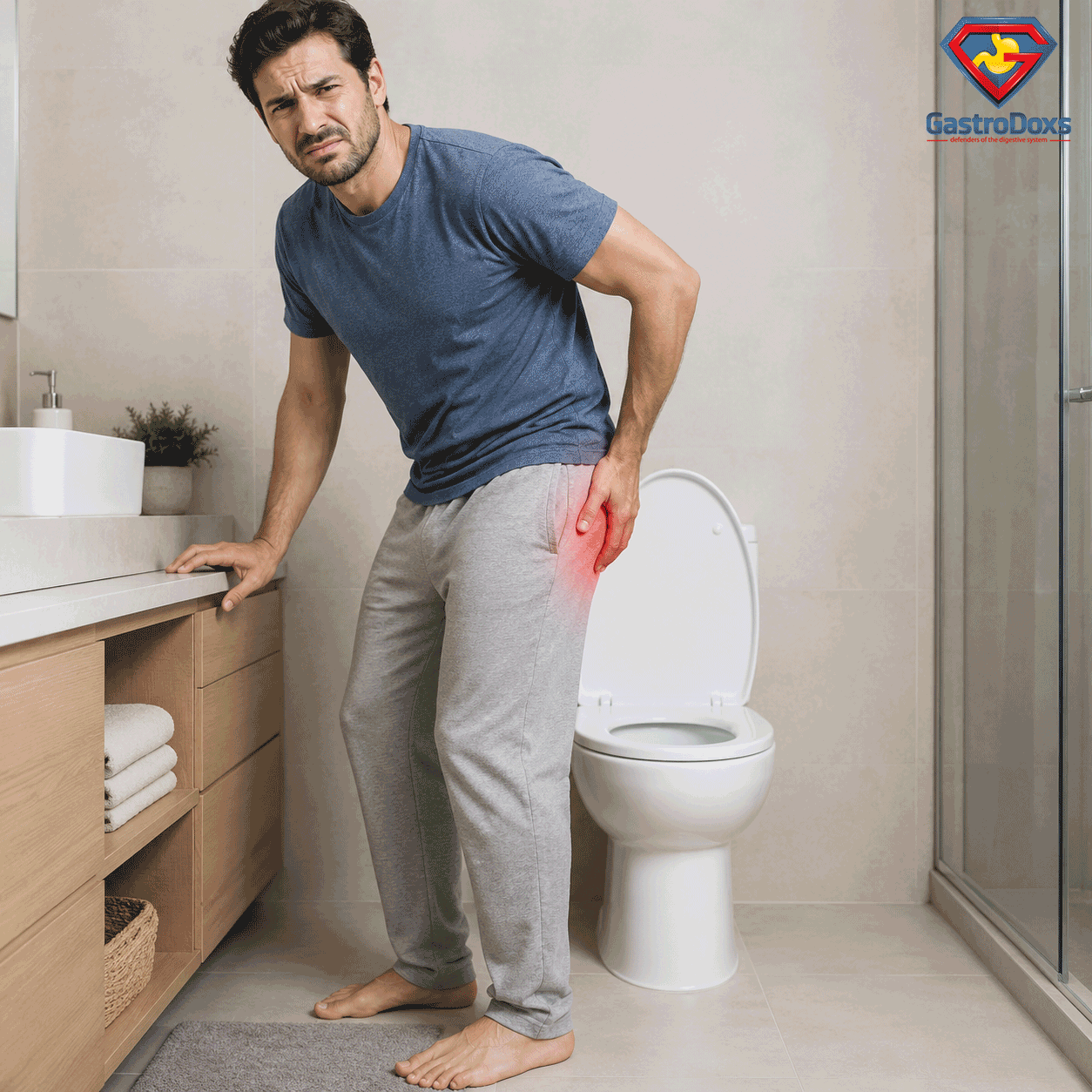
Hemorrhoid symptoms can overlap with fissures, inflammation, polyps, and other rectal bleeding causes. Evaluation helps confirm the source.
Rectal bleeding should not automatically be assumed to be hemorrhoids, especially if it is new, persistent, or unexplained.
Care may include fiber, stool-softening strategies, topical medication, office procedures, or referral for surgery when needed.
We address bowel habits that keep hemorrhoids from healing or make them recur.
If bleeding, age, family history, anemia, or bowel changes raise concern, colon evaluation may be recommended.
A simple visit path for treatment planning and next-step clarity.
Share bleeding color, pain, itching, swelling, prolapse, constipation, diarrhea, pregnancy status, and duration.
Bring blood thinner use, prior colonoscopy reports, hemorrhoid treatments tried, and family history.
The clinician reviews likely hemorrhoid type, other possible causes, and whether additional testing is needed.
You receive a practical plan for home care, medications, procedures, follow-up, or referral if surgery is needed.
Your guardians. GastroDoxs GutGuardians™ is our team of gastroenterologists board-certified by the American Board of Internal Medicine (ABIM) - a physician-led defense force of specialists, systems, and solution pathways working together to protect, detect, solve, and defend your digestive health through expert GI evaluation, advanced diagnostic screening, and endoscopic evaluation - commanded from your first concern to your last follow-up, and every critical stage in between.
Your rescue plan. When your diagnosis is confirmed, GastroDoxs GutRescue Mission™ deploys at full force - a gastroenterologist-led intervention plan delivering advanced colonoscopy, upper endoscopy, capsule endoscopy, and precision biologic and medication management across the full range of digestive conditions and complex GI emergencies - fighting for you with everything we have.
Book evaluation when symptoms persist, recur, bleed, or interfere with daily comfort.
Bright red blood may be hemorrhoids, but persistent or unexplained bleeding needs evaluation.
Ongoing discomfort may need treatment beyond over-the-counter creams.
Tissue that bulges out, does not reduce, or becomes painful should be assessed.
If fiber, fluids, sitz baths, or topical products do not help, a treatment plan may be needed.
GastroDoxs evaluates hemorrhoid symptoms with attention to bleeding source, bowel habits, treatment response, and red flags that may require colonoscopy or another diagnostic approach.






GastroDoxs provides hemorrhoid evaluation, rectal bleeding review, bowel habit planning, colonoscopy guidance, and treatment recommendations across convenient GI locations.
Pain or bleeding around the anus may involve hemorrhoids, an anal fissure, thrombosis, or another anorectal condition. Avoid straining and keep stools soft, but arrange examination for persistent or severe symptoms. GastroDoxs can assess whether hemorrhoid treatment or further colorectal evaluation is appropriate; heavy bleeding requires emergency care. Ask which charges are separate and whether a written estimate is available. Confirm why the proposed test or procedure is indicated and where it will take place.
Treatment may include fiber, fluids, stool softeners, avoiding straining, sitz baths, topical medications, prescription creams, office procedures such as banding for selected internal hemorrhoids, or surgical referral for severe cases.
Helpful home measures may include warm sitz baths, fiber, hydration, avoiding prolonged toilet sitting, gentle hygiene, and stool-softening strategies. Persistent bleeding, severe pain, or prolapse should be evaluated.
See a doctor if bleeding is new, persistent, heavy, recurrent, associated with pain, or accompanied by bowel changes, anemia, weight loss, or family history of colon cancer.
Yes. Fiber, hydration, regular bowel habits, exercise, avoiding straining, and limiting long toilet sitting can reduce flares and recurrence.
Most hemorrhoids do not require surgery. Surgery may be considered for severe, recurrent, thrombosed, large prolapsing, or treatment-resistant hemorrhoids.
Topical anesthetics, anti-inflammatory creams, suppositories, stool softeners, fiber supplements, and prescription medications may help. The right option depends on symptoms and exam findings.
Yes. Pregnancy can increase pressure on rectal veins and constipation risk, making hemorrhoids common during pregnancy and after delivery.
Increasing fiber gradually, drinking enough fluids, and limiting constipation-triggering foods can help. Some patients benefit from psyllium or other fiber supplements.
Complications can include thrombosis, persistent bleeding, irritation, prolapse, anemia from chronic blood loss, or symptoms being mistaken for another condition.
Mild flares may improve within days to weeks. Chronic, prolapsed, or thrombosed hemorrhoids may take longer and may need office or surgical treatment.
Options range from home care and medications to office-based procedures and surgery. Treatment depends on whether hemorrhoids are internal or external, severity, bleeding, prolapse, and prior response.
Hemorrhoids are usually not dangerous, but rectal bleeding should be evaluated because other conditions can cause similar symptoms.
Preventive steps include avoiding constipation, using fiber, staying hydrated, not straining, limiting time on the toilet, and treating diarrhea or bowel habit problems.
Yes. Regular bowel habits, adequate fiber, hydration, physical activity, weight management, and avoiding heavy straining may help.
Yes. Hemorrhoids can recur if constipation, straining, diarrhea, prolonged sitting, or other triggers continue. Prevention planning is important.
If hemorrhoid symptoms are painful, bleeding, recurring, or not improving with home care, book a GastroDoxs appointment for clear treatment planning.



