
Edema With Low Albumin Treatment
 Medically Reviewed by
Dr. Bharat Pothuri, MD, FACG
| Updated August 18, 2026
Leg swelling with low albumin can result from cirrhosis, kidney protein loss, heart disease, inflammation, malnutrition, malabsorption, or protein-losing enteropathy. Treatment should correct the source and manage fluid safely—not simply add protein or increase a diuretic without monitoring.
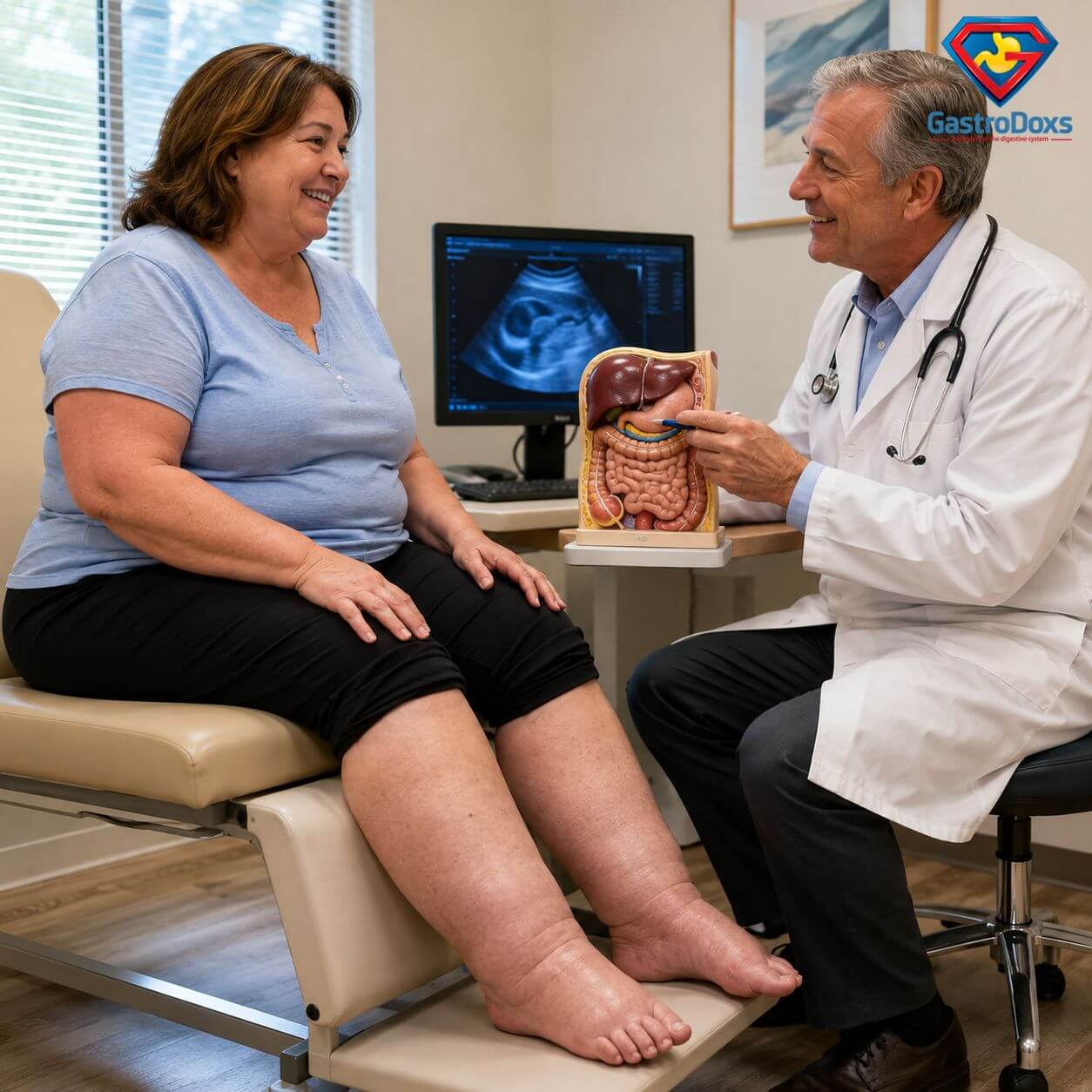
Peripheral edema is a sign, not a diagnosis. GastroDoxs GutRescue Mission™ evaluates whether swelling comes from portal hypertension and liver disease, urinary protein loss, cardiac congestion, venous or lymphatic disease, inflammation, poor intake, malabsorption, or intestinal protein loss. Sodium changes, diuretics, albumin infusions, nutrition therapy, and procedures have narrow indications and can cause harm when used without kidney, electrolyte, blood-pressure, and volume monitoring.
Why Choose GastroDoxs for Edema With Low Albumin Care?
A treatment plan should explain the cause, the least invasive effective option, and the point at which care must escalate.
Cause-Directed Albumin Evaluation
Liver tests, INR, urine protein, kidney function, cardiac clues, inflammation, nutrition status, celiac testing, and stool protein-loss studies are selected to find why albumin is low.
Cirrhosis and Portal-Hypertension Care
When liver disease drives edema or ascites, treatment may include individualized sodium restriction, supervised diuretics, paracentesis, albumin in selected settings, and transplant evaluation.
GI Protein Loss and Malabsorption Workup
Chronic diarrhea, weight loss, anemia, or unexplained hypoalbuminemia may lead to celiac, endoscopic, imaging, and stool alpha-1 antitrypsin evaluation.
Medication and Safety Monitoring
Diuretics can change sodium, potassium, kidney function, blood pressure, and mental status. Treatment is adjusted with weights, symptoms, examination, and laboratory follow-up.
GastroDoxs brings liver and intestinal causes into the same plan while coordinating kidney, heart, vascular, and nutrition care when the mechanism lies outside the digestive system.
GastroDoxs GutGuardians™
Your guardians. GastroDoxs GutGuardians™ is our team of gastroenterologists board-certified by the American Board of Internal Medicine (ABIM) - a physician-led defense force of specialists, systems, and solution pathways working together to protect, detect, solve, and defend your digestive health through expert GI evaluation, advanced diagnostic screening, and endoscopic evaluation - commanded from your first concern to your last follow-up, and every critical stage in between.
GastroDoxs GutRescue Mission™
Your rescue plan. When your diagnosis is confirmed, GastroDoxs GutRescue Mission™ deploys at full force - a gastroenterologist-led intervention plan delivering advanced colonoscopy, upper endoscopy, capsule endoscopy, and precision biologic and medication management across the full range of digestive conditions and complex GI emergencies - fighting for you with everything we have.
What Happens After You Book?
The visit moves from urgency and diagnosis to treatment selection and measurable follow-up.
Describe Distribution and Speed
Report one-sided versus both legs, morning and evening pattern, abdominal swelling, weight gain, breathlessness, urine change, diarrhea, jaundice, medicines, and salt exposure.
Trace Production, Loss, and Retention
Blood, urine, liver imaging, cardiac and vascular tests, and selected intestinal studies determine whether the main driver is organ disease, protein loss, inflammation, or local fluid obstruction.
Start Supervised Cause-Specific Care
The plan may combine sodium guidance, diuretics, liver or kidney treatment, nutrition support, compression for selected venous disease, or therapy for malabsorption and protein-losing enteropathy.
Monitor Weight, Kidneys, and Electrolytes
Follow-up checks daily weight trends, swelling, abdominal girth, urine output, blood pressure, cognition, sodium, potassium, creatinine, albumin, and response of the underlying disease.
Who May Benefit From a Edema With Low Albumin Appointment?
These patterns help identify when specialist digestive evaluation may change treatment.
- Both ankles or legs swelling
- Low serum albumin
- Known cirrhosis or portal hypertension
- Abdominal swelling or ascites
- Jaundice or easy bruising
- Foamy urine or heavy urine protein
- Chronic diarrhea and weight loss
- Breathlessness or trouble lying flat
- Sudden one-sided painful swelling
- Poor response or side effects from diuretics
Specialist-Reviewed Treatment Framework
Edema can be caused by urgent heart, lung, vascular, kidney, liver, infectious, or medication problems. Diuretics, sodium restriction, fluid restriction, compression, protein supplementation, and albumin infusion are not interchangeable and require individualized guidance.









GastroDoxs Appointment Options
GastroDoxs evaluates liver and intestinal contributors to edema and hypoalbuminemia in Cypress, Jersey Village, and Katy. Chest pain, shortness of breath, fainting, sudden one-sided swelling, fever with redness, confusion, or very low urine requires urgent care.
Questions About Edema With Low Albumin Treatment
Treatment corrects the cause of low albumin and manages fluid safely. Plans may address cirrhosis, kidney protein loss, inflammation, malabsorption, intestinal protein loss, poor intake, or heart disease, with diuretics, nutrition, procedures, or specialty care selected accordingly.
Not necessarily. Albumin often falls from inflammation, liver dysfunction, kidney or intestinal loss, and fluid dilution. Extra protein alone may not correct those mechanisms and may be inappropriate for some kidney or liver conditions. Nutrition should follow cause assessment.
Do not start, borrow, or increase a diuretic without guidance. These medicines can cause kidney injury, low sodium, abnormal potassium, low blood pressure, cramps, or confusion. The correct drug and dose depend on the cause and current laboratory values.
Management may include individualized sodium restriction, supervised spironolactone and/or loop diuretic therapy, daily weights, laboratory monitoring, treatment of the liver cause, and management of ascites or portal-hypertension complications.
Albumin has specific roles, including selected cirrhosis complications and large-volume paracentesis, and some critical-care situations. It is not a routine cure for every low blood albumin result because infused albumin may not address ongoing loss or inflammation.
Not everyone with edema should restrict fluids. In cirrhosis, fluid restriction is generally reserved for selected patients with significant low sodium. Heart, kidney, and other conditions have different rules, so follow individualized advice.
Many cirrhosis plans use about 2 grams of sodium per day, balanced against adequate nutrition, but your clinician should set the target. Excessive restriction can reduce food intake and worsen malnutrition.
Yes. Protein-losing enteropathy can occur with Crohn's disease, celiac disease, intestinal lymphatic disorders, and other conditions. Stool alpha-1 antitrypsin clearance, endoscopy, imaging, and disease-specific tests may be used.
Urinalysis and urine protein quantify kidney loss; liver chemistry, INR, platelets, ultrasound, fibrosis or portal findings, and history assess liver disease. Heart and inflammatory causes are evaluated in parallel when indicated.
If advised, record daily morning weight, ankle and abdominal swelling, urine output, blood pressure, breathlessness, confusion, cramps, medication doses, and sodium intake. Report rapid weight change or symptoms using the thresholds your clinician provides.
They may help selected venous edema, but they are not appropriate for every cause and do not treat liver, kidney, or heart disease. Severe arterial disease, skin infection, acute clot, and major fluid overload require assessment first.
Seek urgent care for chest pain, shortness of breath, coughing blood, fainting, sudden painful one-sided swelling, fever with red hot skin, confusion, rapidly enlarging ascites, severe weakness, or very low urine output.
Take the Next Step for Edema With Low Albumin
Do not treat a low albumin number in isolation. A coordinated workup can identify whether the fluid comes from liver, kidney, heart, veins, inflammation, nutrition, or intestinal protein loss and make treatment safer.