



★★★★★
""I had several digestive symptoms and did not know where to start. GastroDoxs organized the problem and gave me a step-by-step plan.""

 Medically Reviewed by
Dr. Bharat Pothuri, MD, FACG
| Updated 07-16-2026
Medically Reviewed by
Dr. Bharat Pothuri, MD, FACG
| Updated 07-16-2026
A gastrointestinal disorder can affect eating, bowel habits, energy, comfort, and confidence. GastroDoxs helps identify the pattern and plan the next step.
Gastrointestinal disorders can involve the esophagus, stomach, small intestine, colon, rectum, liver, gallbladder, pancreas, or digestive motility. GastroDoxs GutRescue Mission™ helps patients move from broad digestive symptoms to structured evaluation, diagnosis planning, treatment options, and follow-up for persistent or concerning GI problems.
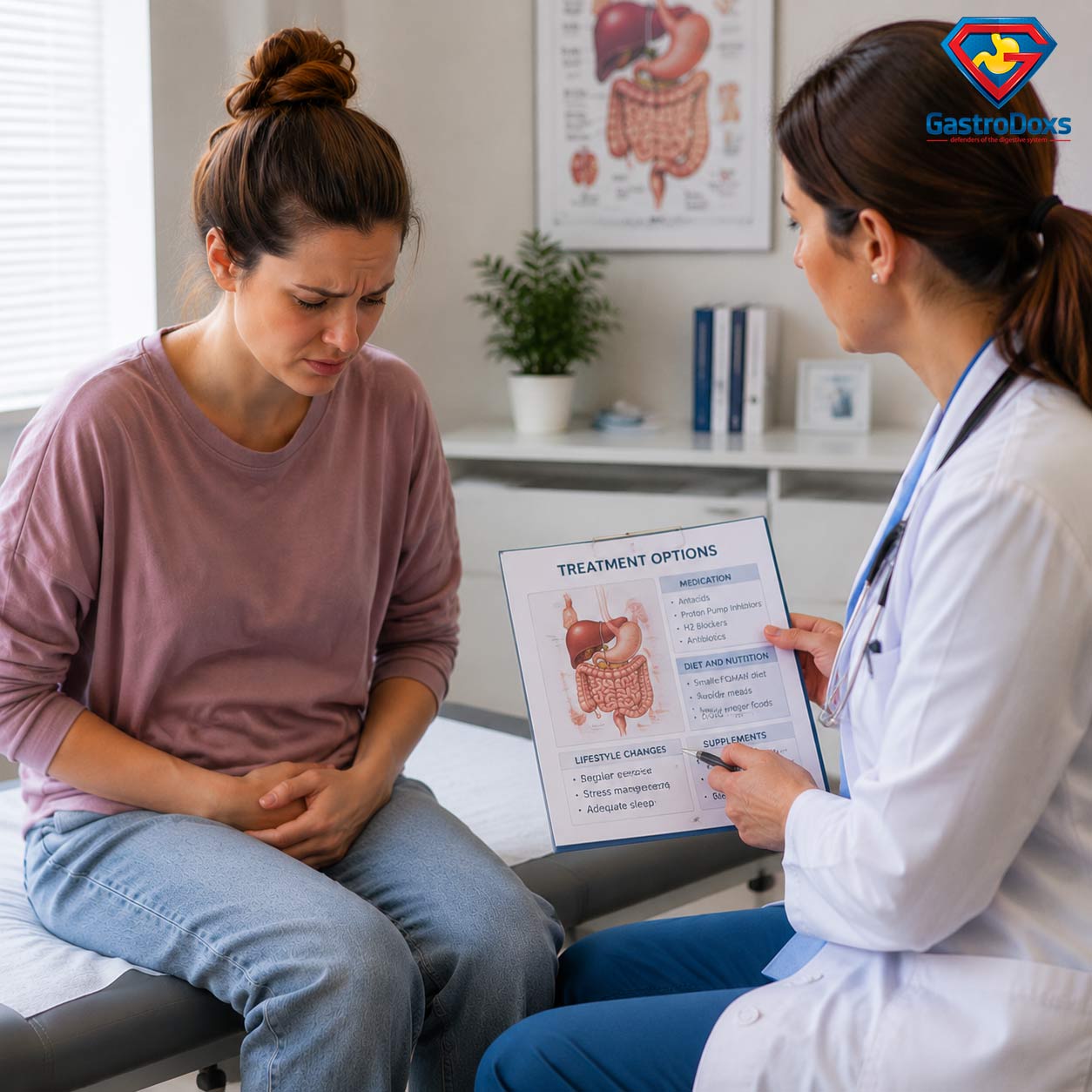
Digestive-focused evaluation for patients ready to move from symptom guessing to a clearer next step.
We review pain, reflux, nausea, swallowing symptoms, bowel changes, bleeding, bloating, weight changes, medication factors, and prior results.
The goal is to narrow broad symptoms into a more focused pathway instead of treating every GI concern the same way.
Depending on symptoms, your plan may include labs, stool testing, imaging, upper endoscopy, colonoscopy, motility testing, or referral coordination.
Many GI disorders require monitoring, medication adjustment, nutrition changes, procedure follow-up, or repeat evaluation when symptoms change.
GastroDoxs evaluates gastrointestinal disorder with attention to symptom timing, warning signs, prior results, medication factors, and the most appropriate GI next step.
Your guardians. GastroDoxs GutGuardians™ is an elite team of board-certified gastroenterologists - a physician-led defense force of specialists, systems, and solution pathways working together to protect, detect, solve, and defend your digestive health through expert GI evaluation, advanced diagnostic screening, and endoscopic evaluation - commanded from your first concern to your last follow-up, and every critical stage in between.
Your rescue plan. When your diagnosis is confirmed, GastroDoxs GutRescue Mission™ deploys at full force - a gastroenterologist-led intervention plan delivering advanced colonoscopy, upper endoscopy, capsule endoscopy, and precision biologic and medication management across the full range of digestive conditions and complex GI emergencies - fighting for you with everything we have.
A clear visit path for treatment planning and next-step clarity.
Tell us which symptom is most disruptive: pain, reflux, nausea, diarrhea, constipation, bleeding, bloating, swallowing trouble, or weight loss.
Bring labs, imaging, endoscopy reports, colonoscopy records, medication lists, and details about treatments already tried.
The clinician reviews whether symptoms suggest inflammatory, functional, structural, infection-related, motility, liver, pancreatic, or colorectal causes.
Your plan may include testing, medication, diet guidance, procedure scheduling, monitoring, or referral when another specialty is needed.
Schedule GI care when symptoms repeat, interfere with daily life, or remain unclear after basic care.
GastroDoxs providers support gastrointestinal disorder evaluation by reviewing symptom patterns, red flags, prior testing, medication factors, procedure needs, and follow-up planning.







GastroDoxs provides non-emergency GI evaluation for persistent, recurring, or unclear gastrointestinal disorder symptoms after urgent conditions have been addressed.
Yes. Persistent digestive symptoms, unclear GI problems, or overlapping symptoms may benefit from gastroenterology evaluation.
Symptoms may include abdominal pain, reflux, nausea, vomiting, bloating, gas, diarrhea, constipation, bleeding, swallowing trouble, or weight loss.
The clinician reviews symptom patterns, history, medications, labs, stool tests, imaging, endoscopy, colonoscopy, and risk factors.
Testing may include blood work, stool tests, imaging, upper endoscopy, colonoscopy, breath testing, motility testing, or liver and pancreas evaluation.
Severe pain, vomiting blood, black stool, fainting, dehydration, chest pain, fever, jaundice, or unexplained weight loss needs prompt medical attention.
Yes. Reflux, IBS, constipation, food intolerance, inflammatory disease, liver conditions, and medication effects can overlap.
Diet helps some disorders, but persistent symptoms may need diagnosis, medication, procedures, or monitoring.
Bring medication lists, prior labs, imaging, procedure reports, stool studies, symptom notes, and insurance information.
Yes. Colonoscopy may be discussed for bleeding, bowel habit changes, screening needs, anemia, or lower GI symptoms.
Yes. Upper endoscopy may be discussed for reflux, dyspepsia, swallowing issues, nausea, vomiting, bleeding, or persistent upper abdominal symptoms.
Management may include medication, nutrition guidance, procedure follow-up, monitoring, lifestyle changes, and reassessment when symptoms change.
Yes. Digestive symptoms can affect eating, work, sleep, travel, energy, and confidence. A structured evaluation can clarify next steps.
If digestive symptoms keep returning, overlap, or remain unexplained, book a GastroDoxs evaluation for a clearer diagnosis and care pathway.